
Dog Hot Spots: Spot Them Early
Learn to identify, treat, and prevent hot spots on your dog's skin for faster relief and healthier fur.
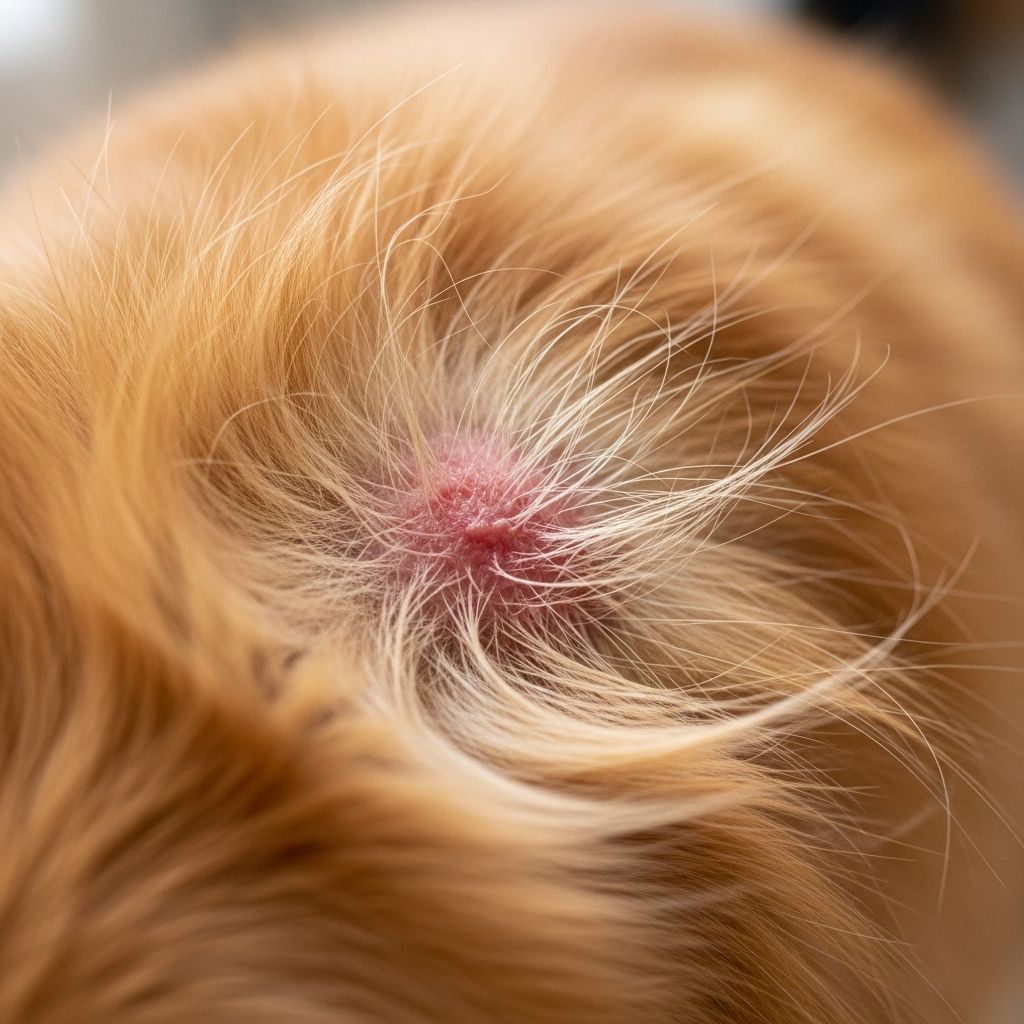
Hot spots, or acute moist dermatitis, are sudden, painful skin lesions that plague many dogs, especially during warm weather. These inflamed areas arise from self-inflicted trauma like excessive scratching or licking, often fueled by underlying irritants. Quick recognition and intervention can halt their rapid spread and prevent complications like bacterial infections.
Recognizing the Signs of Hot Spots
Dogs with hot spots show distinct symptoms that demand immediate attention. The affected skin turns red and moist, often oozing pus or fluid, with a warm feel to the touch—hence the name “hot spot.” Hair loss surrounds the lesion, revealing raw, sensitive skin that your dog may guard fiercely.
- Red, inflamed patches: Bright red skin that feels hot and raised.
- Moist or weeping areas: Constant wetness from exudate, promoting bacterial growth.
- Intense itching: Dogs lick, chew, or scratch relentlessly, worsening the damage.
- Hair matting or loss: Fur clumps or falls out around the sore spot.
- Foul smell: Indicates secondary infection from bacteria.
- Pain on touch: Dogs yelp or pull away when the area is approached.
These signs can appear overnight, expanding from a small red dot to a large, pancake-sized wound by evening. Common locations include the head, neck, legs, hips, and tail base.
Common Triggers Behind Hot Spots
Hot spots stem from an initial itch-lick cycle where dogs traumatize their skin, allowing bacteria to invade. Multiple factors spark this cycle, often overlapping.
| Trigger Category | Examples | Why It Leads to Hot Spots |
|---|---|---|
| Allergies | Flea bites, food sensitivities, pollen, dust mites | Skin irritation prompts scratching, opening wounds |
| Infections | Ear infections, anal gland issues, yeast overgrowth | Pain or itch causes licking nearby skin |
| Moisture | Swimming, bathing, high humidity | Wet fur softens skin, fostering bacteria |
| Grooming Issues | Matted fur, poor hygiene | Traps moisture and irritants against skin |
| Behavior | Boredom, stress, joint pain | Excessive licking creates abrasions |
Breeds like Golden Retrievers, Labrador Retrievers, German Shepherds, and Bulldogs with thick or double coats are prone due to trapped moisture and dense fur.
Why Hot Spots Spread So Quickly
The vicious cycle accelerates damage: saliva moistens the skin, irritating nerves and intensifying itch. Bacteria from the mouth or environment colonize the breach, causing pus and more inflammation. Without intervention, a tiny spot can engulf surrounding areas in hours. Elderly dogs or those with thin skin over bony areas like hips face higher risks from pressure sores that turn into hot spots.
Immediate Steps for Home Management
While professional care is ideal, initial home actions can slow progression. Act fast to clip fur, clean, and protect the site.
- Isolate and inspect: Gently part the fur to assess size and depth. Wear gloves to avoid spreading bacteria.
- Clip the area: Use blunt scissors or clippers to remove fur 1-2 inches around the spot for airflow. Sedation may be needed if painful.
- Clean thoroughly: Rinse with cool water and mild antiseptic like chlorhexidine (diluted 1:10). Pat dry—do not rub.
- Apply treatment: Use vet-approved antimicrobial sprays (e.g., those safe if licked). Avoid human creams or steroids.
- Prevent access: Fit an e-collar (cone) to block licking. Soft fabric alternatives work for mild cases.
- Monitor daily: Check for reduced redness, drying, and shrinking. Improvement should start in 24-48 hours.
Warning: Skip hydrocortisone, hydrogen peroxide, or alcohol—these irritate further. If no improvement in 2 days or signs worsen (fever, lethargy), seek a vet immediately.
Professional Veterinary Interventions
Vets diagnose via visual exam and may swab for bacteria or test for allergies. Treatment escalates based on severity.
- Clipping and cleaning: Professional grooming under sedation ensures thorough removal of infected fur.
- Medications: Oral antibiotics for infection, anti-inflammatories or antihistamines for itch, e-collars standard.
- Underlying cause therapy: Flea preventives, hypoallergenic diets, ear cleansers, or behavior meds like fluoxetine.
Severe cases may need drainage or short steroid courses. Most heal in 7-14 days with compliance.
Preventing Future Hot Spots
Proactive steps target root causes for long-term skin health.
- Regular grooming: Brush daily, especially thick-coated breeds; bathe with medicated shampoos as needed.
- Flea control: Year-round topicals or orals; treat the environment.
- Allergy management: Hypoallergenic food trials, antihistamines, or immunotherapy.
- Dry thoroughly: Towel off after water exposure; use low-heat dryers.
- Enrichment: More exercise and toys to curb stress-licking.
- Routine checks: Inspect skin weekly, especially post-swim or seasonal changes.
For allergy-prone dogs, consult for desensitization shots or novel protein diets.
Hot Spots in Specific Scenarios
Summer and Swimming Dogs
Hot, humid weather exacerbates moisture-trapped fur. Retrievers and water lovers need post-swim drying routines.
Breeds at Higher Risk
Long-haired or floppy-eared dogs like Newfoundlands trap irritants. Early grooming prevents most cases.
When Hot Spots Recur
Frequent outbreaks signal allergies or fleas. Diagnostic bloodwork or skin scrapes pinpoint issues.
Frequently Asked Questions (FAQs)
What is the fastest way to heal a dog hot spot?
Clip fur, clean with antiseptic, apply antimicrobial spray, and use a cone. Vet meds speed recovery.
Can I use Neosporin on my dog’s hot spot?
No—dogs lick it off, risking toxicity. Opt for pet-safe products.
How long do hot spots take to heal?
3-14 days with proper care; untreated ones fester longer.
Are hot spots contagious to other dogs?
No, but bacteria can spread via contact or shared items.
Do all dogs get hot spots?
No, but allergy-prone, thick-coated breeds are most susceptible.
Hot spots are manageable with vigilance. By understanding triggers and acting swiftly, you safeguard your dog’s comfort and prevent escalation.
References
- Hot Spots on Dogs: Causes, Treatment, and Home Remedies — PetMD. 2023. https://www.petmd.com/dog/general-health/hot-spots-dogs
- Hot Spots on Dogs: Causes and Treatments — Maple Grove Pet Hospital. 2024. https://maplegrovepethospital.com/blog/hot-spots-on-dogs-causes-and-treatments/
- Hot Spots on Dogs: Causes, Symptoms & Treatments — Purina US. 2023. https://www.purina.com/articles/dog/health/skin-fur-ears/hot-spots-on-dogs
- That itches! A guide to canine hot spots — Virginia Tech Veterinary Teaching Hospital. 2023. https://vth.vetmed.vt.edu/animal-care-tips/vetmed-pet-canine-hot-spots.html
- Hot Spots in Dogs — VCA Animal Hospitals. 2024. https://vcahospitals.com/know-your-pet/hot-spots-in-dogs
- Hot spots — Cornell University College of Veterinary Medicine. 2024. https://www.vet.cornell.edu/departments-centers-and-institutes/riney-canine-health-center/canine-health-topics/hot-spots
Similar Articles








Read full bio of Sneha Tete




