

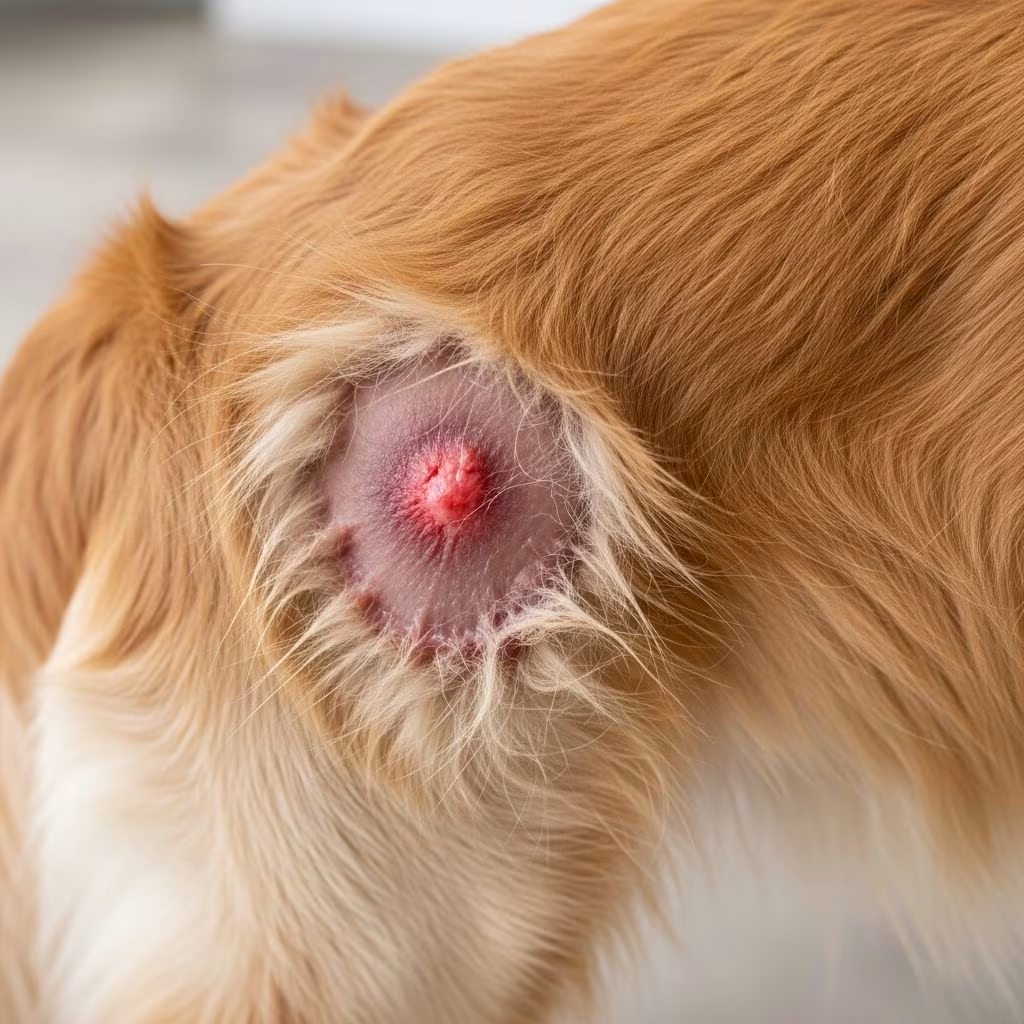
Dog hot spots, known medically as acute moist dermatitis, represent a common yet painful skin condition affecting many canines. These rapidly developing lesions feature red, moist, inflamed areas that dogs often exacerbate through licking and scratching, leading to secondary infections if untreated.
Recognizing the Signs of Hot Spots in Canines
Early identification plays a crucial role in managing hot spots effectively. Owners should watch for distinct visual and behavioral cues that signal the onset of this issue.
- Reddened, inflamed patches: The skin appears bright red and raised, often with a warm feel to the touch.
- Moist or weeping surface: Clear fluid, pus, or serum oozes from the lesion, matting nearby fur.
- Hair loss: Surrounding fur thins or falls out due to constant irritation and self-trauma.
- Intense itching or discomfort: Dogs excessively lick, chew, or scratch the area, sometimes vocalizing pain.
- Foul odor: Bacterial overgrowth produces a distinctive unpleasant smell.
- Crusting or scabbing: As the spot evolves, a yellowish crust may form over the raw skin.
These symptoms typically emerge on the head, neck, hips, limbs, or tail base, though any body part can be affected. Prompt recognition prevents escalation from a small irritation to a large, infected wound.
Primary Triggers Behind Canine Hot Spots
Hot spots rarely occur in isolation; they stem from underlying factors that compromise the skin barrier, allowing bacterial proliferation in moist environments.
Allergic Reactions
Allergies top the list of culprits, with environmental allergens like pollen, dust mites, and mold prompting itchy skin. Food sensitivities and flea allergy dermatitis similarly drive compulsive licking, breaching the skin and inviting infection.
Parasitic Infestations
Fleas, ticks, and mosquitoes deliver bites that spark intense irritation. A single flea bite can trigger a chain reaction in sensitive dogs, leading to hot spot formation through vigorous scratching.
Excessive Moisture and Grooming Issues
Prolonged wetness from swimming, bathing, or rainy weather traps moisture against the skin. Poor grooming, matted fur, or dirty coats create ideal conditions for bacterial growth.
Other Contributors
Stress-induced licking, ear or skin infections, minor injuries, and contact irritants like grooming products or rough surfaces also contribute. Certain breeds, such as Labrador Retrievers, Golden Retrievers, and German Shepherds, show higher susceptibility due to thick coats or allergy predispositions.
Professional Veterinary Interventions
Veterinarians employ a multi-step approach to halt progression, combat infection, and address root causes.
| Step | Description | Purpose |
|---|---|---|
| Clipping and Cleaning | Shave fur around the lesion; wash with antiseptic solution like chlorhexidine. | Promotes airflow, removes debris, reduces bacterial load. |
| Medications | Topical sprays, oral antibiotics, steroids, or anti-inflammatories. | Fights infection, reduces swelling and itch. |
| Preventive Devices | E-collar (cone) or inflatable collar. | Stops self-trauma during healing. |
| Diagnostic Tests | Skin scrapes, allergy panels, flea checks. | Identifies underlying allergies or parasites. |
Severe cases may require sedation for thorough cleaning. Treatment duration varies from days to weeks, depending on size and infection level.
Home Care Strategies for Mild Cases
While veterinary consultation is essential, supportive home measures aid recovery when guided by a professional.
- Keep the area dry using absorbent towels post-baths or swims.
- Apply vet-approved antimicrobial sprays safe for incidental licking.
- Enforce cone usage vigilantly, especially at night.
- Monitor daily for worsening signs like spreading redness or increased discharge.
- Avoid over-the-counter human products, which can irritate further.
For prevention, maintain flea control, regular grooming, hypoallergenic diets if allergies are suspected, and stress reduction through exercise and enrichment.
Preventive Measures to Avoid Recurrence
Proactive steps significantly reduce hot spot risks, focusing on skin health and itch management.
- Routine Parasite Prevention: Monthly flea/tick preventives year-round.
- Allergy Management: Antihistamines, medicated shampoos, or immunotherapy for confirmed allergies.
- Regular Grooming: Brush coats to prevent matting; dry thoroughly after wetting.
- Dietary Adjustments: Trial hypoallergenic foods under vet supervision.
- Environmental Controls: Reduce exposure to pollen via air filters or limited outdoor time during high-allergen seasons.
When to Seek Urgent Veterinary Care
Not all hot spots resolve with basic care. Rush to the vet if the lesion:
- Expands rapidly despite treatment.
- Shows pus, blood, or foul-smelling discharge.
- Causes lethargy, fever, or appetite loss.
- Resists healing after 48 hours.
- Appears on the face or near eyes.
Common Myths About Dog Hot Spots
Misconceptions can delay proper care. Here’s the truth:
- Myth: Hot spots are just allergies. Fact: They often involve secondary bacterial infection requiring antibiotics.
- Myth: Home remedies like honey suffice. Fact: Unsupervised use risks worsening infection; vet products are safer.
- Myth: They heal on their own. Fact: Without intervention, they spread and scar.
Frequently Asked Questions (FAQs)
What breeds are most prone to hot spots?
Thick-coated breeds like Golden Retrievers, Labs, Bulldogs, and Shepherds face higher risks due to moisture retention and allergies.
Can hot spots heal without a vet visit?
Mild cases might, but professional assessment prevents recurrence by targeting causes.
How long do hot spots take to heal?
With treatment, 7-14 days; untreated, they can persist weeks or months.
Is flea prevention enough to stop hot spots?
It’s key for flea-related cases but insufficient for allergies or grooming issues.
Can diet influence hot spots?
Yes, food allergies contribute; vet-guided elimination diets help identify triggers.
Long-Term Skin Health for Dogs
Beyond acute treatment, fostering overall dermatological wellness involves balanced nutrition rich in omega-3 fatty acids, consistent parasite protocols, and annual vet skin exams. For chronic sufferers, options like cytopoint injections or apoquel tablets offer itch relief without steroids. Owners of multi-pet households should treat all animals to curb flea spread.
Understanding hot spots empowers owners to act swiftly, minimizing pain and veterinary costs. Regular observation during grooming or playtime catches issues early, ensuring dogs enjoy itch-free lives.
References
- Hot Spots on Dogs: Causes, Symptoms & Treatments — Purina CA. 2023. https://www.purina.ca/articles/dog/health/dog-hot-spots
- Hot Spots on Dogs: Causes, Symptoms, & Effective Treatments — Maple Grove Pet Hospital. 2023. https://maplegrovepethospital.com/blog/hot-spots-on-dogs-causes-and-treatments/
- Hot Spots on Dogs: Causes, Treatment, and Home Remedies — PetMD. 2024. https://www.petmd.com/dog/general-health/hot-spots-dogs
- Hot spots (acute moist dermatitis) in dogs — PDSA. 2024. https://www.pdsa.org.uk/pet-help-and-advice/pet-health-hub/conditions/hot-spots-acute-moist-dermatitis-in-dogs
- Hot spots — Cornell University College of Veterinary Medicine. 2024. https://www.vet.cornell.edu/departments-centers-and-institutes/riney-canine-health-center/canine-health-topics/hot-spots



