

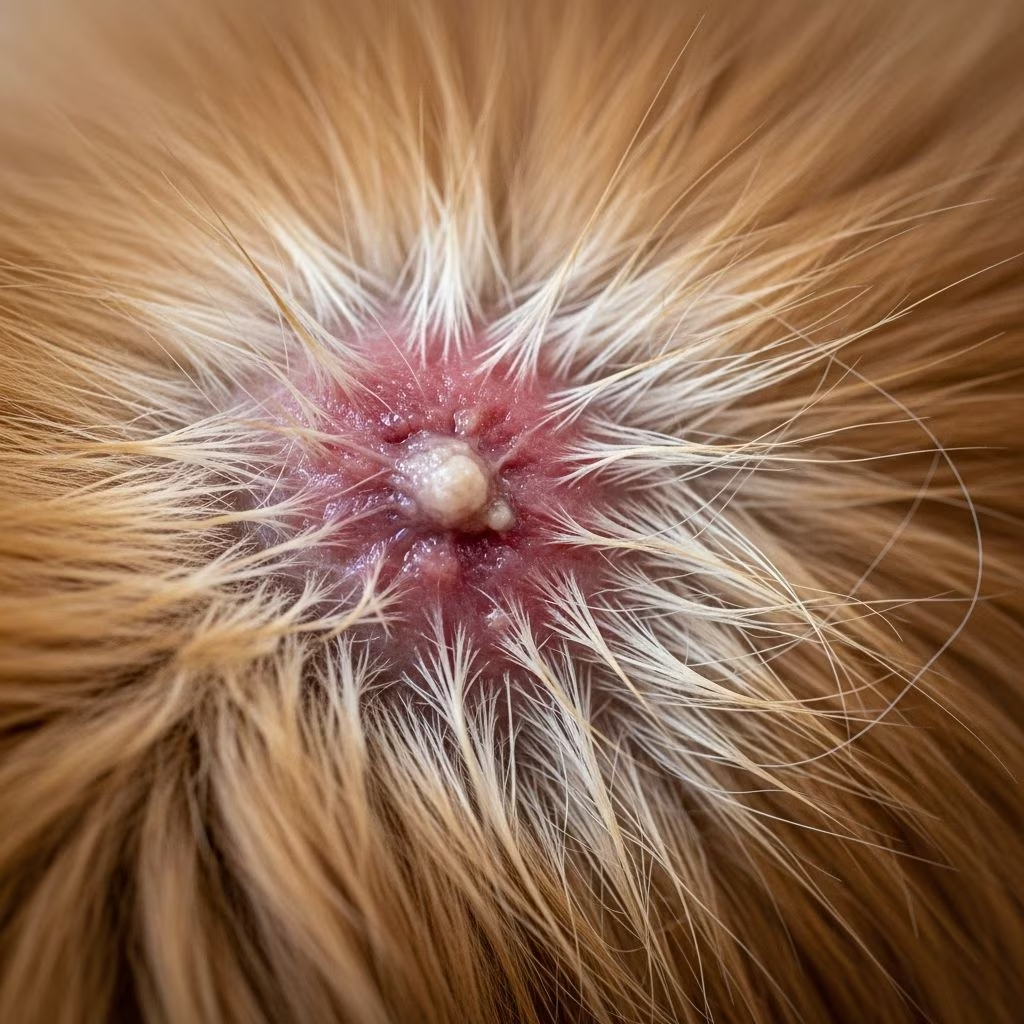
What Are Dog Hot Spots?
Hot spots, medically known as acute moist dermatitis, are localized areas of skin inflammation and infection that develop rapidly on dogs. These painful and itchy patches appear as moist, red, irritated lesions that can cause significant discomfort. The condition gets its name from the inflammation involved, which causes the skin to become noticeably warm to the touch.
Hot spots are characterized by their rapid progression and can quickly worsen if left untreated. Dogs experiencing this condition tend to lick, scratch, or chew at the affected area, which intensifies the inflammation and creates a cycle of self-trauma that deepens the problem. The lesions often develop a foul odor as bacterial infection sets in, though this is typically the last symptom to appear.
These skin lesions can appear anywhere on a dog’s body, but they are most commonly found on the face, neck, limbs, or hips. Certain breeds are predisposed to developing hot spots, including Labrador Retrievers, Golden Retrievers, English Bulldogs, and German Shepherds.
Recognizing Hot Spot Symptoms
Identifying hot spots early is crucial for effective treatment. Once you know what to look for, hot spots are often easy to spot on your dog’s skin. Common symptoms include:
- Red, inflamed patches of skin
- Moist or oozing lesions with pus on the surface
- Excessive itching or intense licking in one specific area
- Scabbing or crusty skin around the lesion
- Hair loss surrounding the affected area
- Sensitivity or pain when the area is touched
- Foul odor from the site, indicating bacterial infection
- Increased heat around the lesion
If you notice any combination of these symptoms, it’s important to seek veterinary attention promptly. Delaying treatment allows the condition to worsen and increases the risk of serious secondary infections.
What Causes Dog Hot Spots?
Hot spots don’t develop spontaneously; they result from an underlying issue that creates itchiness, excessive licking, or moisture problems. Understanding the root cause is essential for managing your pet’s discomfort and preventing future flare-ups. The primary causes include:
Allergies
Allergies are one of the most common causes of hot spots in dogs. These include:
- Seasonal allergies from environmental allergens like pollen, mold, and dust mites
- Food allergies and sensitivities that trigger itching
- Inhalant allergies that cause persistent itching
When a dog’s skin becomes itchy from allergies, scratching or licking that irritation can quickly lead to a hot spot.
Flea and Insect Problems
Fleas, ticks, and mosquitoes can irritate a dog’s skin and trigger an intense urge to scratch. For dogs with flea allergy dermatitis, even a single flea bite can result in excessive licking and scratching, eventually leading to a hot spot. Other insects that may cause problems include mites, caterpillars, bees, wasps, lice, and gnats.
Skin Irritations and Moisture
Various irritants can trigger localized skin reactions, including:
- Grooming products that irritate sensitive skin
- Contact with rough surfaces
- Moisture trapped under collars or harnesses
- Excessive moisture from swimming
Once the initial irritation starts, your dog may worsen the condition by attempting to relieve the itch through scratching and licking.
Other Contributing Factors
Additional causes include:
- Poor grooming practices that allow matting and skin irritation
- Anal sac disease, particularly when hot spots appear on the rear area
- Excessive licking behavior from anxiety or boredom
When to Seek Veterinary Care
While some minor hot spots might resolve with home care, professional veterinary attention is strongly recommended. You should contact your veterinarian immediately if:
- The affected area is increasing in size
- The spot is consistently bleeding
- There is colored discharge from the lesion
- There is any discharge, moisture, odor, or pain present
- You cannot keep your pet from licking or scratching at the hot spot
- The hot spot is large or overly infected
Early veterinary intervention can prevent an infection from developing and help identify the underlying cause.
Professional Veterinary Treatment Options
Initial Examination and Cleaning
When you bring your dog to the veterinarian, the initial treatment typically involves careful assessment and professional cleaning. This process includes:
- Clipping the hair away from the hot spot and surrounding area—a crucial step for successful treatment
- Gentle cleaning with antiseptic solutions, often requiring sedation due to pain
- Disinfection with chlorhexidine or similar solutions that kill bacteria
Clipping the hair is essential because it allows air to reach the lesion and helps it dry properly, speeding recovery. The hair removal also prevents discharge from becoming matted and reduces the risk of infection.
Medications
Depending on the hot spot’s severity, veterinarians typically prescribe a combination of medications:
- Oral antibiotics to fight bacterial infection
- Anti-itch medications to reduce scratching
- Corticosteroids or antihistamines to reduce inflammation and manage pain
- Nonsteroidal anti-inflammatory drugs (NSAIDs) for dogs who need to avoid steroids
- Oral pain relievers to alleviate discomfort
- Topical antibiotics or desiccating sprays applied to the cleaned area
Treating Underlying Causes
To prevent recurrence, your veterinarian will investigate and treat the root cause: This might include:
- Prescribed flea prevention or parasite control
- Targeted allergy relief medications
- Diagnostics to uncover underlying conditions
- Anal sac expression if anal sac disease is identified
Home Care and Management
While professional veterinary care is essential, there are steps you can take at home to support healing:
- Keep the area clean and dry as directed by your veterinarian
- Apply veterinary-recommended hot spot sprays that are safe if ingested, such as Vetericyn® Plus Antimicrobial Pet Hot Spot Spray
- Use a recovery cone (Elizabethan collar) to prevent your dog from biting, licking, or scratching the spot
- Monitor the area daily for signs of improvement, including decreased redness, less moisture, and smaller lesion size
- Perform daily cleaning with salty water or medicated shampoo as instructed
- Contact your veterinarian if the area is not healing or is getting worse
Prevention Strategies
Hot spots can be prevented by managing underlying conditions and reducing risk factors. Prevention strategies include:
- Maintain consistent flea prevention year-round to avoid flea allergy dermatitis
- Manage allergies through medication, diet changes, or environmental control
- Ensure proper grooming to prevent matting and skin irritation
- Dry your dog thoroughly after swimming or bathing
- Check for anal sac issues and have them expressed if necessary
- Reduce stress and anxiety that may lead to excessive licking
- Use appropriate grooming products suitable for your dog’s skin type
The key to prevention is identifying and controlling the underlying primary cause—once these issues are managed, most dogs should never experience hot spots again.
Common Myths About Hot Spots
There are several misconceptions about dog hot spots worth clarifying:
- Myth: Hot spots are caused by excessive moisture. Fact: Hot spots are caused by a dog scratching or biting in response to itch, discomfort, or pain—not moisture itself.
- Myth: Hot spots only occur in summer. Fact: While environmental allergies and flea-bite allergies are more common in spring and summer, hot spots can develop year-round.
- Myth: Location doesn’t matter. Fact: Hot spot location can indicate the cause—hot spots on the back suggest fleas, while those on the rear might indicate anal sac disease.
Frequently Asked Questions
Q: How quickly do hot spots develop?
A: Hot spots can develop rapidly, sometimes within hours. What begins as minor itching can escalate into a significant skin lesion quickly if the dog continues to lick or scratch the area.
Q: Can hot spots go away on their own?
A: It’s not unusual for a hot spot to resolve with minimal to no treatment, but veterinary care is recommended to ensure proper healing and prevent infection.
Q: Are certain dog breeds more prone to hot spots?
A: Yes, Labrador Retrievers, Golden Retrievers, English Bulldogs, and German Shepherds are commonly affected breeds.
Q: How long does it take for a hot spot to heal?
A: Healing time varies depending on the severity and size of the hot spot, but with proper treatment, most lesions begin improving within days to weeks.
Q: Will my dog need a cone after treatment?
A: Yes, a recovery cone is typically recommended to prevent your dog from licking or scratching the healing lesion, which is crucial for proper recovery.
Q: What should I do if the hot spot isn’t improving?
A: Contact your veterinarian immediately. Lack of improvement may indicate infection, an incorrect diagnosis, or the need for adjusted treatment.
Q: Is it safe to use human topical products on dog hot spots?
A: No, always use veterinary-approved products designed specifically for dogs, as human products may be toxic if ingested.
References
- Hot Spots on Dogs: Causes, Symptoms, & Effective Treatments — Maple Grove Pet Hospital. 2024. https://maplegrovepethospital.com/blog/hot-spots-on-dogs-causes-and-treatments/
- Hot Spots on Dogs: Causes, Treatment, and Home Remedies — PetMD. 2024. https://www.petmd.com/dog/general-health/hot-spots-dogs
- Canine Hot Spots: Understanding, Treating, and Preventing Summer Skin Issues — Virginia Tech News. 2025. https://news.vt.edu/articles/2025/07/canine-dog-hot-spots-dermatology-veterinary-medicine.html
- What To Do If Your Dog Has A Hot Spot: Causes & Treatments — Port City Veterinary. 2024. https://www.portcityvet.com/blog/what-to-do-if-your-dog-has-a-hot-spot-causes-treatments
- Hot Spots — Cornell University College of Veterinary Medicine. 2024. https://www.vet.cornell.edu/departments-centers-and-institutes/riney-canine-health-center/canine-health-topics/hot-spots
- Hot Spots in Dogs — VCA Animal Hospitals. 2024. https://vcahospitals.com/know-your-pet/hot-spots-in-dogs
- Hot Spots (Acute Moist Dermatitis) in Dogs — PDSA. 2024. https://www.pdsa.org.uk/pet-help-and-advice/pet-health-hub/conditions/hot-spots-acute-moist-dermatitis-in-dogs
- Everything You Need to Know About Hot Spots — Animal Humane Society. 2024. https://www.animalhumanesociety.org/resource/everything-you-need-know-about-hot-spots



