

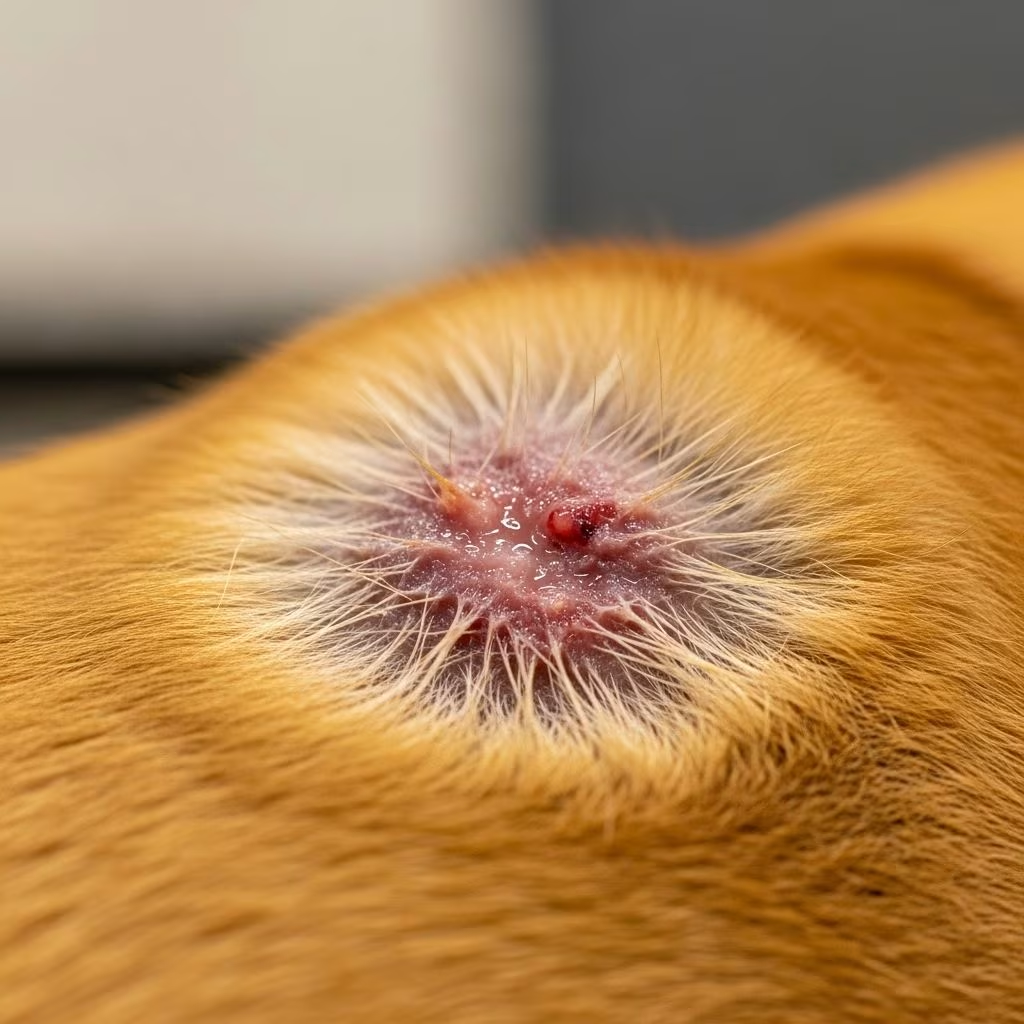
Hot spots, or acute moist dermatitis, represent a frequent skin issue in dogs, manifesting as rapidly worsening, inflamed patches that cause significant discomfort. These lesions develop from self-inflicted trauma through excessive scratching, licking, or biting, often escalating within hours if unchecked.
Recognizing the Signs of Hot Spots
Early identification is crucial since hot spots can expand from a small red area to a large, oozing wound in a single day. Owners typically notice these indicators first:
- Warm, red, inflamed skin that feels hot to the touch, hence the name.
- Moist or weepy surface with possible pus discharge, leading to matted fur.
- Hair loss around the lesion due to self-trauma.
- Intense itching, prompting constant licking, chewing, or scratching.
- Pain on contact, causing the dog to yelp or avoid touch.
- Foul smell from secondary bacterial infection.
- Scabs or crusting as the area begins to heal improperly.
These spots commonly appear on the head, ears, neck, hips, limbs, or tail base, particularly in thick-coated breeds like Golden Retrievers or Newfoundlands.
Common Triggers Behind Hot Spots
Hot spots stem from an initial itch-lick cycle where irritation prompts self-trauma, allowing bacteria to invade. Underlying factors include:
- Allergies: Flea bites, food sensitivities, or environmental allergens like pollen trigger intense itching.
- Infections: Ear or skin infections (otitis, pyoderma) cause scratching that spreads to nearby areas.
- Moisture retention: Wet fur from swimming or baths fosters bacterial growth if not dried properly.
- Poor grooming: Matted or dirty coats trap moisture and irritants.
- Parasites: Fleas, mites, or ticks provoke allergic reactions.
- Behavioral issues: Stress, boredom, or anxiety leads to compulsive licking.
- Joint or anal problems: Arthritis pain or impacted anal glands prompt licking at hips, hocks, or tail.
| Trigger Type | Examples | High-Risk Breeds/Areas |
|---|---|---|
| Allergies | Flea, food, seasonal | Any breed; face, paws |
| Infections | Ear, skin | Drop-eared dogs; neck, cheeks |
| Moisture | Swimming, baths | Water-loving breeds; back, legs |
| Grooming | Matting, dirt | Long-haired; hips, tail |
Why Hot Spots Spread So Quickly
The vicious cycle begins with mild irritation, leading to licking that damages the skin barrier. Saliva softens the skin, inviting bacteria like Staphylococcus, which thrive in warm, moist environments. This causes further inflammation, perpetuating the itch and accelerating growth—sometimes from coin-sized to plate-sized in 24 hours.
Professional Veterinary Interventions
Seek vet care immediately to halt progression. Standard protocols involve:
- Clipping fur: Removes matted hair for airflow and treatment access; sedation may be needed.
- Cleaning: Antiseptic washes like chlorhexidine eliminate bacteria.
- Medications: Topical antibiotics, anti-inflammatories, or steroids; oral options for severe cases.
- E-collar: Prevents access, allowing healing.
- Diagnostics: Tests for allergies, fleas, or infections to address roots.
Recent guidelines (2025) prioritize topical antimicrobials over oral antibiotics for uncomplicated cases, reducing resistance risks.
Safe Home Management Strategies
While not a substitute for vet visits, these aid mild cases or post-treatment:
- Gentle cleaning: Use diluted chlorhexidine or Epsom salt soaks 2-3 times daily.
- Topicals: 1% hydrocortisone cream (vet-approved) or pramoxine sprays for itch relief; apply 3-4 times/day.
- Barrier methods: E-collar, inflatable collar, or bitter sprays to deter licking.
- Bathing: Medicated oatmeal or hypoallergenic shampoos weekly.
- Flea control: Monthly preventives if parasites suspected.
Monitor for worsening: increased size, pus, fever warrant immediate vet return.
Preventing Recurrence in Your Dog
Proactive steps target vulnerabilities:
- Regular grooming: Brush weekly, bathe as needed with gentle products.
- Allergy management: Hypoallergenic diets, antihistamines, or immunotherapy.
- Parasite prevention: Year-round flea/tick meds.
- Dry thoroughly: After water exposure, use towels or low-heat blow dryers.
- Stress reduction: Enrichment toys, exercise, routine checks for ear/anal issues.
- Seasonal vigilance: Extra monitoring in allergy-prone times.
Hot Spots in Specific Dog Types
Certain profiles face higher risks:
- Thick-coated breeds: Trap moisture; frequent trims help.
- Water dogs: Labradors, etc., need post-swim drying.
- Senior dogs: Joint pain leads to lick spots on hips/hocks.
- Allergy-prone: Bulldogs, Terriers benefit from diet trials.
Frequently Asked Questions
Can hot spots heal without a vet?
Mild ones may with diligent home care, but most require professional intervention to prevent infection.
How long do hot spots take to heal?
With treatment, 7-14 days; untreated, they worsen.
Are hot spots contagious?
No, but bacteria can spread to other body areas or dogs via contact.
What if my dog hates the cone?
Alternatives: recovery suits, inflatable collars, or supervised bandaging.
Do diet changes help prevent hot spots?
Yes, for food allergies; consult a vet for elimination trials.
Long-Term Skin Health for Dogs
Beyond acute care, maintain skin integrity through balanced omega-3/6 diets, routine vet dermatology checks, and prompt itch addressing. Breeds with genetic predispositions may need lifelong management plans.
References
- Hot Spots on Dogs: Causes, Treatment, and Home Remedies — PetMD. 2023. https://www.petmd.com/dog/general-health/hot-spots-dogs
- Hot Spots in Dogs – VCA Animal Hospitals — VCA. 2024. https://vcahospitals.com/know-your-pet/hot-spots-in-dogs
- Hot spots | Cornell University College of Veterinary Medicine — Cornell Vet. 2024. https://www.vet.cornell.edu/departments-centers-and-institutes/riney-canine-health-center/canine-health-topics/hot-spots
- That itches! A guide to canine hot spots | Veterinary Teaching Hospital — Virginia Tech Vet Med. 2025. https://vth.vetmed.vt.edu/animal-care-tips/vetmed-pet-canine-hot-spots.html
- Hot Spots on Dogs: Causes, Symptoms & Treatments — Purina. 2024. https://www.purina.com/articles/dog/health/skin-fur-ears/hot-spots-on-dogs
- Hot Spots on Dogs: How to Treat and Prevent Them — OVRS. 2023. https://www.ovrs.com/blog/hot-spots-on-dogs-how-to-treat-and-prevent-them/



