

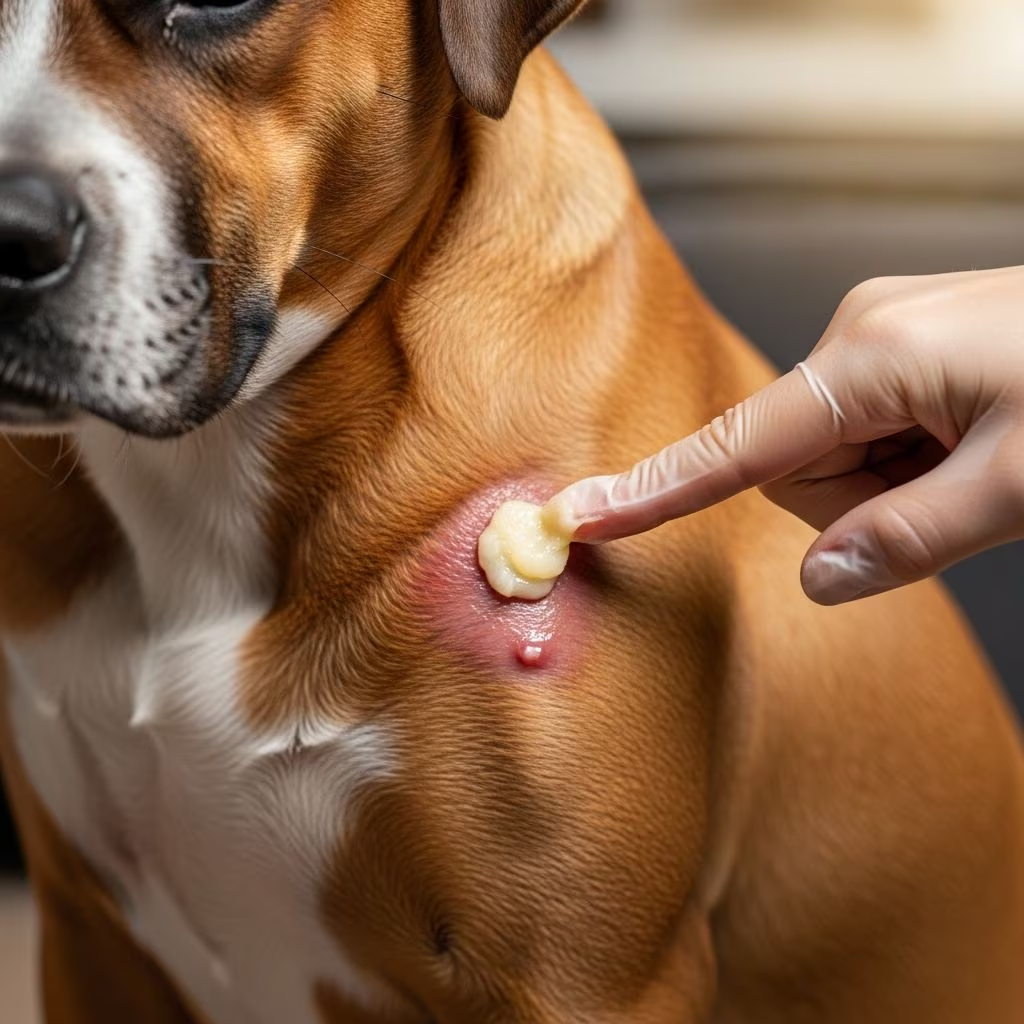
Dog hot spots, also known as acute moist dermatitis, are red, inflamed, itchy patches of skin that can appear suddenly on your dog’s body. These painful lesions often result from excessive licking, scratching, or chewing, triggered by allergies, insect bites, or poor grooming. While veterinary care is essential for severe cases, many mild hot spots can be managed effectively at home with simple, natural remedies. This guide covers step-by-step treatments, prevention tips, and when to seek professional help, drawing from reliable veterinary-recommended practices.
What Are Hot Spots on Dogs?
Hot spots are self-trauma skin infections characterized by moist, oozing sores that spread rapidly if untreated. They typically develop when a dog irritates its skin through compulsive licking or biting, creating a vicious cycle of inflammation and bacterial growth in the warm, moist environment. Common locations include the head, hips, and tail base. Unlike dry eczema or mange, hot spots are acutely painful, warm to the touch, and often hairless due to matting.
Understanding the pathology is key: bacteria like Staphylococcus thrive in saliva-soaked fur, exacerbating the lesion within hours. Early intervention prevents escalation to deeper infections requiring antibiotics.
Causes of Hot Spots in Dogs
- Allergies: Flea bites, food sensitivities, or environmental pollen prompt initial itching, leading to hot spot formation.
- Insect Bites/Stings: Mosquitoes or fleas cause localized reactions that dogs aggravate by scratching.
- Grooming Neglect: Matted fur traps moisture, fostering bacterial growth.
- Boredom/Stress: Anxious dogs may lick excessively, mimicking OCD behaviors.
- Water Exposure: Wet fur from swimming or baths without drying promotes hotspots, especially in thick-coated breeds like Golden Retrievers.
Symptoms of Dog Hot Spots
Recognize hot spots early by these signs: bright red, moist lesions (1-4 inches wide), foul odor from infection, hair loss around the area, and intense scratching or whining. Dogs may hold the affected limb awkwardly or become lethargic if pain spreads. Unlike dry flakes of allergies, hot spots weep clear fluid and feel hot. Monitor for fever or swelling, indicating systemic infection.
Step-by-Step Home Treatment for Hot Spots
Follow this proven protocol to heal most hot spots in 3-7 days. Always wear gloves and work in a calm environment to avoid startling your dog.
1. Trim or Shave the Area
Clip fur 1-2 inches around the hot spot using pet clippers (avoid scissors to prevent cuts). This exposes the skin to air, drying moisture and halting bacterial proliferation. For long-haired breeds, a wide margin prevents re-matting. If your dog is too wiggly, seek groomer or vet assistance.
2. Gently Clean the Hot Spot
Wash daily with cool water and mild soap (Dove, Cetaphil) or chlorhexidine solution (e.g., Douxo pads). Wipe three times: plain water, soapy, then rinse and pat dry thoroughly. Chlorhexidine kills bacteria without stinging; follow product dilution instructions. Dry completely to prevent re-wetting.
3. Apply a Cool Compress
Soak a clean cloth in cool (not ice-cold) water or chamomile tea for 5-10 minutes, 2-4 times daily. This reduces heat and swelling. Pat dry afterward; add aloe vera gel for extra soothing if no open wounds. Chamomile tea bags work as a compress alternative.
4. Use Topical Remedies
Apply vet-safe treatments post-cleaning:
- Apple Cider Vinegar Spray: Mix 50/50 with water; spray 2-4 times daily. Antifungal and drying.
- Chamomile Spray: Brew 1 cup tea, add 2 tbsp ACV and 1 tsp coconut oil. Shake and apply.
- Aloe Vera: Pure gel reduces inflammation; safe if licked in small amounts.
- Coconut Oil: Thin layer for moisturizing and antibacterial effects.
- Hydrocortisone Cream (1%): OTC for itch relief, 3-4 times daily.
- Neosporin Cream: Antibiotic ointment (not spray) for non-infected spots.
5. Prevent Licking with E-Collar
Fit a cone or recovery collar immediately. Distraction with treats helps during application. Licking reintroduces saliva and bacteria, undoing progress.
6. Oral Support
Benadryl (diphenhydramine) or Zyrtec per vet dosage reduces itching. Address fleas with preventives.
Best DIY Hot Spot Sprays and Remedies
| Remedy | Ingredients | Application | Benefits |
|---|---|---|---|
| Chamomile-ACV Spray | 1 cup chamomile tea, 2 tbsp ACV, 1 tsp coconut oil | Spray 2-3x/day post-clean | Anti-inflammatory, antibacterial, moisturizing |
| ACV Dilute | 50% ACV, 50% water | Spray 2-4x/day | Dries moisture, fights fungus |
| Calendula Saline | 20 drops tincture in 1 cup saline (1/4 tsp salt) | Apply 2x/day | Promotes healing, cleanses |
| Himalayan Salt Wash | 1 tsp salt in 1 cup warm water | Wash & dry 3x/day | Dries non-weeping spots quickly |
Store sprays in clean bottles; shake before use. Test on small area first.
Prevention Tips for Hot Spots
- Daily grooming: Brush and check skin, especially post-bath or swim.
- Flea/tick control: Monthly preventives year-round.
- Diet: Hypoallergenic or raw food reduces allergies.
- Exercise: Prevents boredom-licking.
- Quick dry: Towel off after wetting.
When to See a Vet
Seek immediate care if: hot spot >2 inches, pus/discharge, fever, no improvement in 48 hours, or multiple spots. Vets may prescribe antibiotics, steroids, or diagnose underlying issues like hypothyroidism. Home remedies suit mild cases only.
Frequently Asked Questions (FAQs)
What is the fastest way to heal a dog’s hot spot?
Trim fur, clean with chlorhexidine, apply ACV spray, and use an e-collar. Most heal in 3-5 days.
Can I use hydrogen peroxide on dog hot spots?
No; it delays healing. Stick to mild soap or chlorhexidine.
Are hot spots contagious?
No, but bacteria can spread to other body areas if licked.
How much Benadryl for dog hot spots?
1mg/lb every 8-12 hours; consult vet for exact dose.
Can coconut oil cure hot spots?
It helps moisturize and fight bacteria but pair with cleaning.
References
- DIY Hot Spot Spray for Dogs — The Pet Gourmet. 2023. https://www.thepetgourmet.com/blogs/pet-owners-tips-and-tricks/diy-hot-spot-spray-for-dogs
- Dog Hot Spot Home Remedy: 9 Easy Remedies & Treatments — Holistapet. 2024. https://www.holistapet.com/blogs/home-remedies-for-dogs/hot-spots
- Hot Spots on Dogs: Causes, Treatments, and Home Remedies — GoodRx. 2025-01-10. https://www.goodrx.com/pet-health/dog/hot-spot-treatment-for-dogs-at-home
- Hot spots — Cornell University College of Veterinary Medicine. 2024. https://www.vet.cornell.edu/departments-centers-and-institutes/riney-canine-health-center/canine-health-topics/hot-spots
- Treating Hot Spots on your dog — FurEver Friends of North Carolina. 2023. https://fureverfriendsnc.org/treating-hot-spot-on-your-dog/
- Natural Solutions to Your Dog’s Problem Hot Spots — WagWalking. 2024. https://wagwalking.com/wellness/natural-solutions-to-your-dogs-problem-hot-spots
- Hot Spots on Dogs: Causes, Treatment, and Home Remedies — PetMD. 2025. https://www.petmd.com/dog/general-health/hot-spots-dogs



