

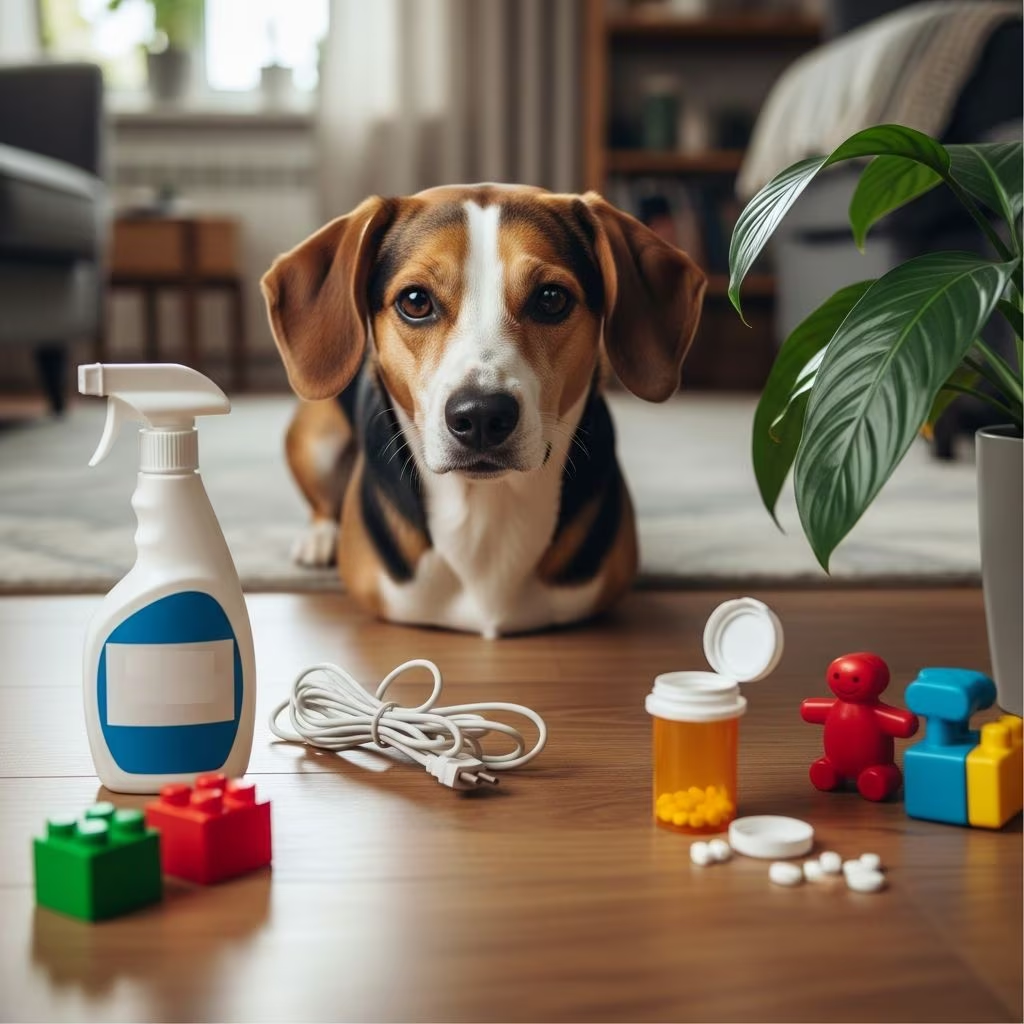
Your home is a sanctuary for your dog, but it can also hide numerous dangers that lead to injuries, poisonings, or emergencies. Everyday items like foods, plants, and household products pose serious risks to curious canines who explore with their mouths and noses. This guide outlines key threats and provides practical steps to pet-proof your space, drawing from veterinary expertise to keep your dog safe.
Understanding Why Dogs Face Home Risks
Dogs, especially puppies and energetic breeds, investigate their world through chewing, sniffing, and playing. This natural behavior turns harmless human items into hazards. Puppies are most vulnerable due to their exploratory nature, while seniors may overlook dangers due to reduced senses. Multi-pet or child-filled homes amplify risks as clutter increases. Proactive pet-proofing prevents up to 90% of common incidents by securing environments.
Toxic Foods That Lurk in Kitchens
The kitchen is a minefield of temptations. Many human foods cause severe illness or death in dogs if ingested.
- Chocolate and Xylitol: Chocolate contains theobromine, toxic to dogs, causing vomiting, seizures, or heart issues. Xylitol in gum and candies spikes insulin, leading to hypoglycemia.
- Grapes, Raisins, Onions: These trigger kidney failure even in small amounts. Onions damage red blood cells.
- Fatty Foods and Bones: Cooked bones splinter, causing blockages or perforations; fatty scraps lead to pancreatitis.
Store food in sealed containers or elevated cabinets. Train family members never to share table scraps.
Chemicals and Cleaning Supplies Dangers
Household cleaners, antifreeze, and medications are silent killers. Bleach, ammonia, and detergents irritate mouths, stomachs, and lungs upon ingestion or inhalation.
| Hazard | Risks to Dogs | Prevention |
|---|---|---|
| Cleaning Products | Burns, poisoning, organ damage | Lock in high cabinets; use pet-safe alternatives |
| Antifreeze | Kidney failure (sweet taste attracts dogs) | Store in sealed garage; clean spills immediately |
| Human Medications | Overdose, seizures, death | Child-proof pill bottles; keep in locked drawers |
Switch to natural cleaners like vinegar solutions, safe for paws and noses.
Electrical and Physical Hazards
Chewing cords causes electrocution, burns, or fires. Loose wires dangle temptingly.
- Secure cords with spiral wraps or covers.
- Remove dangling holiday lights or chargers.
- Use outlet plugs to prevent shocks.
Small objects like batteries, coins, and rubber bands pose choking risks or internal injuries if swallowed. Batteries leak corrosive acid. Daily tidying keeps floors clear.
Plants and Outdoor-Indoor Threats
Many houseplants are poisonous: lilies cause kidney failure, philodendrons irritate mouths. Azaleas and sago palms are deadly.
- Hang plants high or choose dog-safe varieties like spider plants.
- Avoid toxic outdoor plants near entryways.
Windows and balconies risk falls; screens tear easily. Limit openings to 4 inches or use sturdy guards.
Preventing Falls and Mobility Issues
Slippery floors challenge puppies, seniors, and large breeds, leading to sprains or fractures. Rugs bunch under paws.
- Install non-slip mats and runners.
- Keep toys and leashes out of walkways to avoid trips for humans and pets.
- For multi-level homes, use baby gates at stairs.
Smart Pet-Proofing Strategies
View your home from your dog’s eye level to spot overlooked risks. Monthly inspections catch seasonal changes like holiday decorations.
- Secure Storage: Latch cabinets, use trash bins with locking lids.
- Designate Safe Zones: Crates or playpens provide secure spots when alone.
- Barriers: Baby gates block hazardous rooms like garages or workshops.
- Clutter Control: No items on low shelves; elevate valuables.
Crate training offers 100% safety for alone time, mimicking a den for comfort.
Training for Safety and Supervision
Teach commands like “leave it” and “drop it” to redirect from dangers. Supervision trumps all; never leave puppies unattended.
- Praise desired behaviors; avoid punishment for mistakes.
- Involve family in rules: no feeding from tables, pick up toys.
For home-alone scenarios, tire dogs with walks before crating.
Emergency Preparedness Plan
Post poison control numbers: ASPCA Animal Poison Control Center (888-426-4435). Know symptoms: vomiting, lethargy, seizures warrant immediate vet visits.
- Keep vet contacts handy.
- Have a pet first-aid kit: bandages, hydrogen peroxide, thermometer.
Frequently Asked Questions (FAQs)
What if my dog eats something toxic?
Don’t induce vomiting unless vet instructs. Call poison control immediately with item details.
Are essential oils safe around dogs?
Many like tea tree and eucalyptus are toxic; diffuse sparingly or avoid.
How do I baby-proof cabinets for dogs?
Use child-safety latches; dogs lack opposable thumbs but paw doors open.
Can senior dogs still get into hazards?
Yes, diminished senses increase accidental ingestion risks.
What’s the best crate size for safety?
Allow standing, turning, lying down comfortably; not oversized to prevent soiling.
Long-Term Home Safety Habits
Pet-proofing evolves with your dog’s age and habits. Puppies need intense measures; adults benefit from routines. Annual vet checkups catch behavioral shifts signaling risks. Educate visitors on rules. By integrating these practices, your home becomes a true haven, reducing vet bills and stress.
Creating a hazard-free zone demands vigilance but rewards with a healthier, happier dog. Start with one room today.
References
- Essential Tips for Pet-Proofing Your Home — American Animal Hospital Association (AAHA). 2023. https://www.aaha.org/resources/essential-tips-for-pet-proofing-your-home/
- Pet Safety And Home Hazards: Keeping Your Pets Safe Indoors — Moonlight Vet. 2024-03-15. https://moonlightvet.com/pet-safety-and-home-hazards-keeping-your-pets-safe-indoors/
- 10 Pet Safety Tips For When Your Dog is Home Alone — PetMD. 2023-06-10. https://www.petmd.com/dog/care/10-pet-safety-tips-when-your-dog-home-alone
- 13 home hazards pet owners should be aware of — Vets Now. 2024. https://www.vets-now.com/pet-care-advice/hazards-for-pets-in-the-home/
- Pet Emergency Prevention: Home Hazards to Avoid — South Texas Veterinary Urgent Care. 2024-02-20. https://www.stvuc.com/blog/pet-emergency-prevention-home-hazards-to-avoid



