

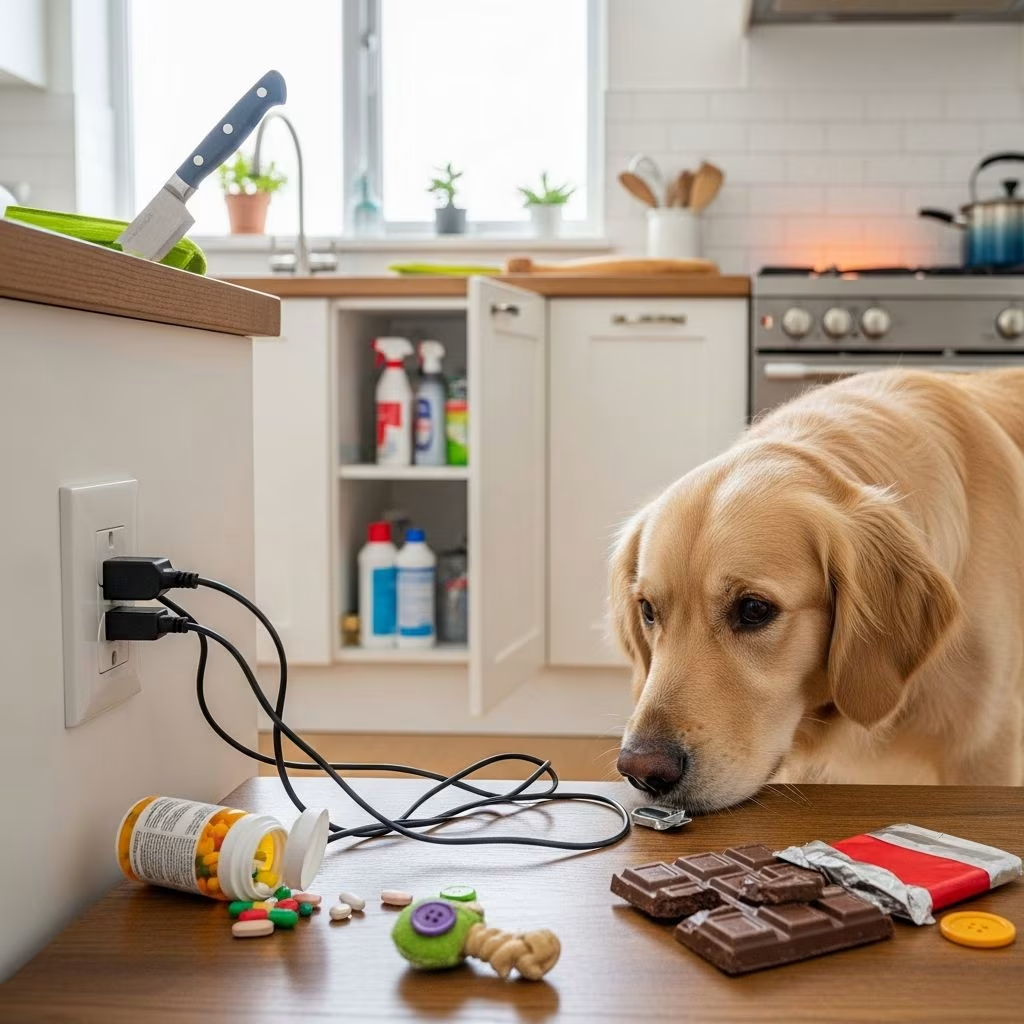
Dogs bring joy and companionship into our lives, but everyday household items can pose serious threats to their well-being. Identifying and mitigating these risks is vital for responsible pet ownership. This guide explores key dangers and provides actionable strategies to safeguard your dog.
Understanding the Risks in Your Living Space
From a dog’s perspective, the home is an adventure filled with intriguing scents and textures. Unfortunately, curiosity can lead to accidents. Pets explore with their mouths and noses, making them vulnerable to ingestion or injury from seemingly innocuous objects. Puppies and seniors face heightened risks due to exploratory behavior or reduced senses, respectively.Household clutter, unsecured items, and toxic substances top the list of concerns in multi-pet or family homes.
Regular inspections reveal hidden threats. Get on all fours to scan floors, shelves, and counters as your dog would. This simple exercise uncovers overlooked hazards like stray batteries or dangling cords.
Toxic Foods That Lurk in Kitchens
Kitchens are hotspots for danger due to human foods toxic to dogs. Chocolate contains theobromine, causing vomiting, seizures, or death. Grapes and raisins trigger kidney failure, even in small amounts. Onions, garlic, and chives damage red blood cells, leading to anemia.
- Xylitol in sugar-free gum and candies causes rapid insulin release, hypoglycemia, and liver failure.
- Fatty foods like bacon grease provoke pancreatitis.
- Alcohol and caffeine affect the central nervous system.
- Raw yeast dough expands in the stomach, risking bloat or intoxication.
Secure counters during meal prep and elevate trash bins. Educate family members to avoid sharing table scraps. Opt for dog-safe treats to satisfy cravings safely.
Chemicals and Cleaning Supplies: Hidden Poisons
Household cleaners, antifreeze, and pesticides are potent toxins. Bleach, ammonia, and drain cleaners cause burns or poisoning if ingested. Antifreeze’s sweet taste attracts dogs, leading to fatal kidney damage.
| Hazard | Symptoms | Prevention |
|---|---|---|
| Cleaning Agents | Vomiting, burns, respiratory issues | Store in locked cabinets; use pet-safe alternatives |
| Antifreeze | Kidney failure, seizures | Wipe spills immediately; use bittering agents |
| Pesticides | Tremors, drooling | Apply when dog is away; ventilate areas |
Switch to natural cleaners like vinegar solutions. Always rinse floors after use to eliminate residues.
Electrical and Mechanical Dangers
Chewing cords risks electrocution, burns, or fires. Fans, heaters, and appliances with accessible parts invite injury. Batteries leak corrosive acid if punctured.
- Bundle and tape cords out of reach.
- Use cord covers or furniture to block access.
- Unplug devices when unattended.
- Supervise near holiday lights or extension cords.
For multi-room homes, conduct monthly checks on wiring and outlets. Install outlet covers for extra protection.
Plants and Outdoor-Indoor Threats
Many houseplants are poisonous. Lilies cause kidney failure, while sago palms lead to liver damage. Azaleas and rhododendrons trigger vomiting and heart issues.
Balconies and open windows pose fall risks. Screens can tear under a dog’s leap. Secure balconies with guards and limit window openings to a few inches.
Small Items and Choking Hazards
Coins, rubber bands, socks, and toys fragment into choking or intestinal blockages. Surgery often resolves blockages but carries risks and costs.
- Declutter daily, especially floors and low shelves.
- Provide durable chew toys to redirect chewing.
- Train “leave it” and “drop it” commands.
In homes with kids, store toys separately to prevent swaps.
Strategies for Pet-Proofing Every Room
Kitchen and Dining Areas
Latch cabinets, use pedal-free trash cans, and sweep floors for crumbs. Elevate pet bowls away from toxins.
Living and Bedrooms
Secure medications in high, locked drawers. Avoid leaving remotes or chargers on nightstands. Use rugs on slippery floors to prevent falls, crucial for seniors or large breeds.
Bathrooms and Laundry
Close toilet lids to block drinking chlorinated water. Store toiletries and detergents high up.
Garages and Basements
Limit access to tools, paints, and vehicles leaking fluids. Ventilate for fume dispersal.
Training and Supervision Essentials
No home is fully hazard-free. Crate training creates a safe retreat when alone. Introduce crates positively with treats for voluntary entry. Gradually build duration.
Supervise new pets constantly. Teach boundaries with baby gates for off-limits zones. Positive reinforcement builds good habits faster than punishment.
Emergency Preparedness Plan
Post vet contacts and ASPCA Poison Control (888-426-4435). Know symptoms: vomiting, lethargy, seizures warrant immediate care. Keep a pet first-aid kit with bandages, hydrogen peroxide (for induced vomiting per vet), and activated charcoal.
Monthly audits adapt to seasonal changes like holiday decorations or yard work debris.
FAQs: Dog Home Safety Questions Answered
Can dogs sense household dangers?
Dogs rely on smell and taste exploration, not innate danger avoidance, making proactive proofing essential.
What if my dog ingests something toxic?
Don’t induce vomiting unless instructed. Call vet or poison hotline immediately with item details.
Are essential oils safe around dogs?
Many like tea tree and eucalyptus are toxic; diffuse sparingly or avoid.
How do I baby-gate train my dog?
Use treats to lure through gates initially, then practice alone time in safe areas.
Is crate training cruel?
No, when done properly, it mimics den security; limit to 6-8 hours max for adults.
Implementing these measures transforms your home into a fortress of safety. Consistent vigilance prevents tragedies, allowing worry-free bonding with your dog.
References
- Essential Tips for Pet-Proofing Your Home — American Animal Hospital Association (AAHA). 2023. https://www.aaha.org/resources/essential-tips-for-pet-proofing-your-home/
- Pet Safety And Home Hazards: Keeping Your Pets Safe Indoors — Moonlight Vet. 2024. https://moonlightvet.com/pet-safety-and-home-hazards-keeping-your-pets-safe-indoors/
- 10 Pet Safety Tips For When Your Dog is Home Alone — PetMD. 2023. https://www.petmd.com/dog/care/10-pet-safety-tips-when-your-dog-home-alone
- Pet Emergency Prevention: Home Hazards to Avoid — South Texas Veterinary Urgent Care. 2024. https://www.stvuc.com/blog/pet-emergency-prevention-home-hazards-to-avoid
- Common Household Hazards for Pets: Keeping Your Home Safe — Faithful Friends Vet Clinic. 2023. https://faithfulfriendsvetclinic.com/common-household-hazards-for-pets-keeping-your-home-safe/



