

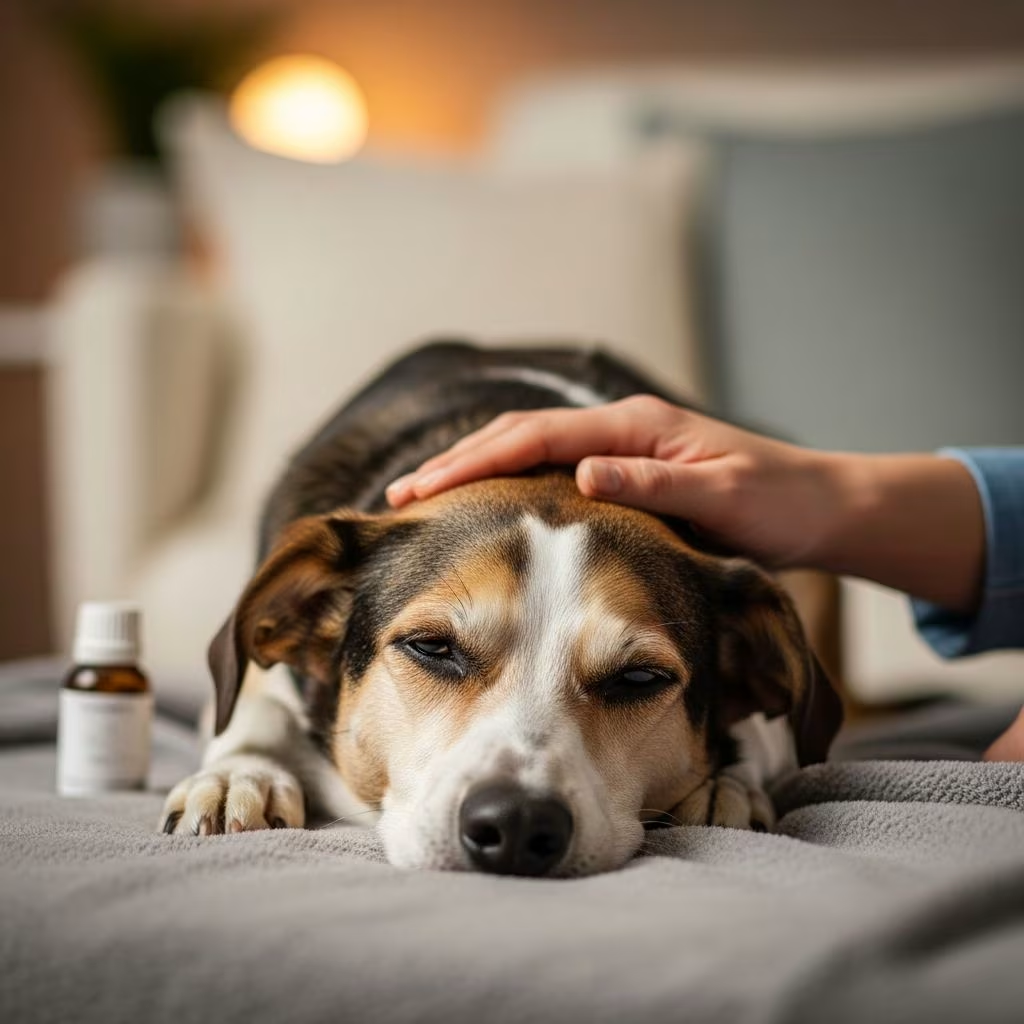
Dog Home Pain Relief: Safe Methods to Ease Your Pet’s Discomfort
Pain in dogs can stem from various causes, including arthritis, injuries, surgery recovery, or chronic health conditions. As a pet owner, recognizing signs of discomfort in your dog and knowing how to provide relief at home is essential for their well-being and quality of life. While veterinary care remains paramount, there are numerous evidence-based home pain relief methods you can implement to complement professional treatment and help your dog feel more comfortable.
Understanding Dog Pain: Signs and Symptoms
Before implementing pain relief strategies, it’s important to recognize when your dog is experiencing discomfort. Dogs often cannot communicate pain verbally, so observing behavioral and physical changes is crucial. Key indicators include reduced mobility, reluctance to jump or climb stairs, limping, whimpering, behavioral changes such as increased irritability or withdrawal, difficulty standing or lying down, and loss of appetite. Senior dogs and those with pre-existing conditions are particularly susceptible to chronic pain. If you notice these signs, consult your veterinarian for a proper diagnosis before starting any home treatment plan.
Prescription Pain Relief Medications
Veterinarians commonly prescribe pain relief medications to manage discomfort in dogs. These medications work through different mechanisms to reduce inflammation and ease pain. NSAIDs (nonsteroidal anti-inflammatory drugs) are frequently prescribed and help reduce both pain and inflammation. Other options may include opioids for more severe pain, gabapentin for nerve-related pain, tramadol for moderate to severe discomfort, and amantadine for chronic pain conditions. Administering the correct dosage at home helps reduce inflammation, relieve chronic pain, and improve mobility. Regular veterinary check-ups ensure safe and effective treatment while minimizing potential side effects. Always follow your veterinarian’s dosing instructions carefully and never adjust medication without professional guidance.
Joint Supplements for Long-Term Support
Joint supplements can significantly support your dog’s mobility and reduce inflammation over time, particularly beneficial for dogs with arthritis or mobility issues. These supplements work gradually to support joint health and are often used alongside other pain management strategies.
- Glucosamine and Chondroitin: These compounds help maintain cartilage health and reduce joint deterioration. They are available in chewable or liquid form and work best with consistent, long-term use.
- Omega-3 Fatty Acids: Found in fish oil and other sources, omega-3s have anti-inflammatory properties that help reduce joint inflammation and improve mobility.
- New Zealand Green Lipped Mussel: This natural supplement contains natural anti-inflammatory compounds that may help ease joint pain and stiffness.
- Boswellia: An herbal extract with documented anti-inflammatory properties, often used to support joint health in dogs with arthritis.
These supplements are generally safe but should be introduced gradually and under veterinary guidance. Results typically appear after several weeks of consistent use.
Heat and Cold Therapy Techniques
Temperature-based therapies are among the most accessible and effective home pain management methods for dogs. Each has specific applications depending on your dog’s condition.
Cold Therapy
Cold therapy is particularly effective for acute injuries, swelling, and post-surgical recovery. Applying cold packs helps reduce blood flow to the affected area, decreasing swelling and numbing pain. Cold therapy works by constricting blood vessels, which reduces inflammation and muscle spasms. To apply cold therapy safely, place a cloth barrier between the ice pack and your dog’s skin to prevent direct contact, apply for 10-15 minutes, and monitor your dog’s comfort level closely. Cold therapy is especially recommended after exercise for dogs with arthritis pain or following surgical procedures.
Heat Therapy
Heat therapy is beneficial for chronic conditions like arthritis and hip dysplasia by relaxing muscles and improving flexibility. Heat works by dilating blood vessels and increasing blood flow to sore or tense muscles, promoting healing and comfort. Apply heat packs to affected joints for up to 20 minutes at a time. Heat therapy is particularly helpful for stiff joints, especially in senior dogs on cold mornings or after periods of inactivity. Always ensure the heat pack is not too hot to prevent skin damage.
Alternating Therapies
Alternating between heat and cold therapy based on your dog’s condition provides optimal relief. For acute injuries, start with cold therapy, then transition to heat as the injury stabilizes. For chronic arthritis, warm compresses may be more beneficial overall, though some dogs benefit from cold packs after activity.
Physical Therapy and Exercise
Appropriate physical activity is crucial for managing pain in dogs, improving mobility, and preventing muscle stiffness. However, exercise must be carefully tailored to your dog’s condition and limitations.
- Low-Impact Walks: Short, slow walks on even surfaces help maintain mobility without stress on joints. Aim for multiple short walks rather than one long walk.
- Swimming and Hydrotherapy: Water-based exercise is excellent for dogs with joint pain because the buoyancy reduces weight stress on joints while the water resistance helps with muscle conditioning. Hydrotherapy allows dogs to exercise more effectively than on land while remaining comfortable.
- Controlled Stretching: Gentle range-of-motion exercises recommended by your veterinarian help maintain flexibility and prevent stiffness.
- Canine Physical Therapy: Professional therapy including massage and targeted exercises enhances circulation, improves flexibility, and reduces discomfort. Many veterinarians can refer you to certified canine rehabilitation specialists.
Rehabilitation exercises specifically prescribed for your dog’s condition encourage proper joint use and muscle engagement, decreasing inflammation and improving pain control over time.
Comfortable Bedding and Environmental Modifications
The right sleeping environment significantly impacts your dog’s comfort and pain levels, especially for senior dogs and those with chronic conditions. Orthopedic beds or memory foam mattresses specifically designed to reduce joint pressure provide excellent support for dogs experiencing pain. Position the bed in a warm, quiet location away from drafts and foot traffic, creating a dedicated space where your dog can rest without unnecessary strain. Ensure the bed is easily accessible without requiring jumping or climbing stairs. Elevated food and water bowls reduce strain on the neck and spine when eating and drinking. Keep bedding in a temperature-controlled environment, as cold can exacerbate pain, particularly in arthritic dogs. Making these environmental adjustments demonstrates significant improvement in comfort levels and pain management without medication.
Massage and Tactile Therapy
Therapeutic massage is a simple yet effective technique for pain relief that strengthens the bond between you and your dog while providing tangible comfort benefits. Massage improves blood flow to affected areas, reduces stiffness, promotes relaxation, relieves tension, and helps with sore muscles. Using light pressure and slow, gentle movements, pet parents can provide comfort and pain relief. Massage therapy improves circulation, reduces inflammation, and relaxes tense muscles. Focus on affected areas using circular motions and gentle strokes. Sessions of 5-10 minutes can be performed several times daily. Beyond pain relief, massage promotes relaxation and can help identify new areas of soreness or swelling. If your dog shows signs of pain during massage, adjust pressure or stop and consult your veterinarian.
Natural Supplements and Herbal Remedies
Several natural supplements and herbal remedies have shown promise in supporting pain management in dogs when used under veterinary guidance.
- Turmeric: Contains curcumin, a natural anti-inflammatory compound that may help reduce pain and inflammation, particularly in arthritic dogs.
- CBD Oil: Derived from hemp, CBD may help alleviate pain, reduce inflammation, and promote relaxation without the psychoactive effects of THC. Use only high-quality, veterinary-approved CBD products.
- Herbal Remedies: Various herbs have traditional uses for pain management; however, ensure any herbal treatment is approved by your veterinarian before use.
These natural alternatives provide additional relief for dogs with chronic conditions like arthritis or anxiety-related discomfort. However, always consult your veterinarian before introducing new supplements to ensure they don’t interact with existing medications and are appropriate for your dog’s specific condition.
Advanced Therapies and Alternative Treatments
Several advanced pain management techniques are increasingly available through veterinary clinics and rehabilitation centers.
Acupuncture
This ancient Chinese practice uses tiny needles placed on the skin to stimulate nerves and produce electrical signals that can block pain signals. Acupuncture can be effective for chronic pain conditions and is often used alongside conventional treatments. This method is safe when performed by a certified veterinary acupuncturist.
Red Light Therapy
Red light therapy is a safe, non-invasive option that promotes healing and enhances overall well-being. This therapy reduces pain and inflammation effectively at home and is a valuable addition to a dog’s pain management plan.
Pulsed Electromagnetic Field (PEMF) Therapy
PEMF therapy works by combining magnets and electric fields to stimulate cell communication that may have been interrupted due to injury or disease. By stimulating this communication, PEMF also promotes cell processes important for healing and pain relief. PEMF therapy uses electromagnetic waves to stimulate the release of nitric oxide, a natural anti-inflammatory molecule within the body. This is a non-invasive treatment often recommended for at-home continued pain management.
Laser Treatment
Therapeutic laser treatments can help reduce pain and inflammation in affected joints and tissues through stimulation of cellular healing processes.
Weight Management for Pain Reduction
Maintaining a healthy weight is crucial for dogs experiencing pain, particularly those with joint issues. Excess weight places additional stress on joints and compromises mobility. A balanced diet and appropriate portion control, combined with gentle exercise, help maintain optimal body condition. Consult your veterinarian about appropriate caloric intake and diet adjustments for your dog’s specific needs. Weight management is one of the most effective long-term strategies for reducing pain and improving quality of life in overweight dogs.
Dietary Adjustments and Nutrition
A high-quality diet supports overall health and can contribute to pain management. Foods rich in omega-3 fatty acids, antioxidants, and anti-inflammatory compounds support joint health and reduce inflammation. Consider incorporating fish, lean proteins, and vegetables recommended by your veterinarian. Adequate hydration is also important for maintaining healthy joints and overall well-being. Some dogs benefit from prescription diets formulated specifically for joint health and pain management. Discuss dietary modifications with your veterinarian to ensure your dog receives appropriate nutrition.
When to Seek Veterinary Care
While home pain relief methods are valuable, certain situations require immediate professional veterinary attention. Seek veterinary care immediately if your dog shows signs of severe pain, inability to move, loss of appetite lasting more than a day, difficulty breathing, unusual bleeding or discharge, or any sudden behavioral changes. Additionally, when your dog’s daily routine is significantly altered or pain is obvious, reach out to a veterinarian right away. Regular veterinary check-ups ensure that your home pain management plan remains appropriate and effective as your dog’s condition evolves.
Frequently Asked Questions
Q: How can I tell if my dog is in pain?
A: Common signs include limping, reluctance to move or jump, whimpering, behavioral changes, difficulty standing or lying down, and loss of appetite. If you notice these signs, consult your veterinarian for proper diagnosis.
Q: Are over-the-counter pain medications safe for dogs?
A: Human pain medications can be dangerous for dogs. Only use medications specifically prescribed by your veterinarian. NSAIDs designed for dogs can be safe when used as directed, but veterinary supervision is essential.
Q: How long does it take for joint supplements to work?
A: Joint supplements typically require several weeks of consistent use before noticeable improvements appear. Results vary by dog and product, so patience and consistency are important.
Q: Can I combine different pain relief methods?
A: Yes, combining methods such as medications, supplements, physical therapy, and environmental modifications often provides optimal results. Always consult your veterinarian before combining treatments to ensure compatibility.
Q: Is heat or cold therapy better for arthritis?
A: For chronic arthritis, heat therapy is typically more beneficial as it relaxes muscles and improves flexibility. However, some dogs benefit from cold packs immediately after activity. Alternating therapies may provide the best results for your individual dog.
Q: Can massage help my dog’s pain?
A: Yes, gentle massage improves circulation, reduces stiffness, and promotes relaxation. Regular massage sessions can provide significant pain relief and comfort while strengthening your bond with your dog.
Q: Are natural supplements safe for dogs?
A: Natural supplements can be safe when sourced from reputable manufacturers and approved by your veterinarian. Always introduce supplements gradually and watch for any adverse reactions.
References
- At-Home Pain Management for Dogs: Tips for Comfort & Relief — Horizon Palliative Vets. 2024. https://www.horizonpalliativevets.com.au/blogs/at-home-pain-management-for-dogs
- Natural Pain Relief for Dogs at Home — MedcoVet. 2024. https://medcovet.com/blog/natural-pain-relief-for-dogs-at-home
- Natural Pain Relief for Dogs: 17 Methods from a Vet — Toe Grips. 2024. https://toegrips.com/natural-pain-relief-for-dogs
- What Pain Medicine Can I Give My Dog? — GoodRx Pet Health. 2024. https://www.goodrx.com/pet-health/dog/what-to-give-a-dog-for-pain
- Natural Pain Relief for Dogs — PetMD. 2024. https://www.petmd.com/dog/general-health/natural-pain-relief-dogs
- Home Remedies & Safe OTC Pain Relief for Dogs — Austin Canine Rehabilitation. 2024. https://www.austincaninerehab.com/blog/pain-relief-for-dogs
- Dog Pain Medications: Aspirin (and Other NSAIDs) — WebMD Pets. 2024. https://www.webmd.com/pets/dogs/dog-pain-medications



