

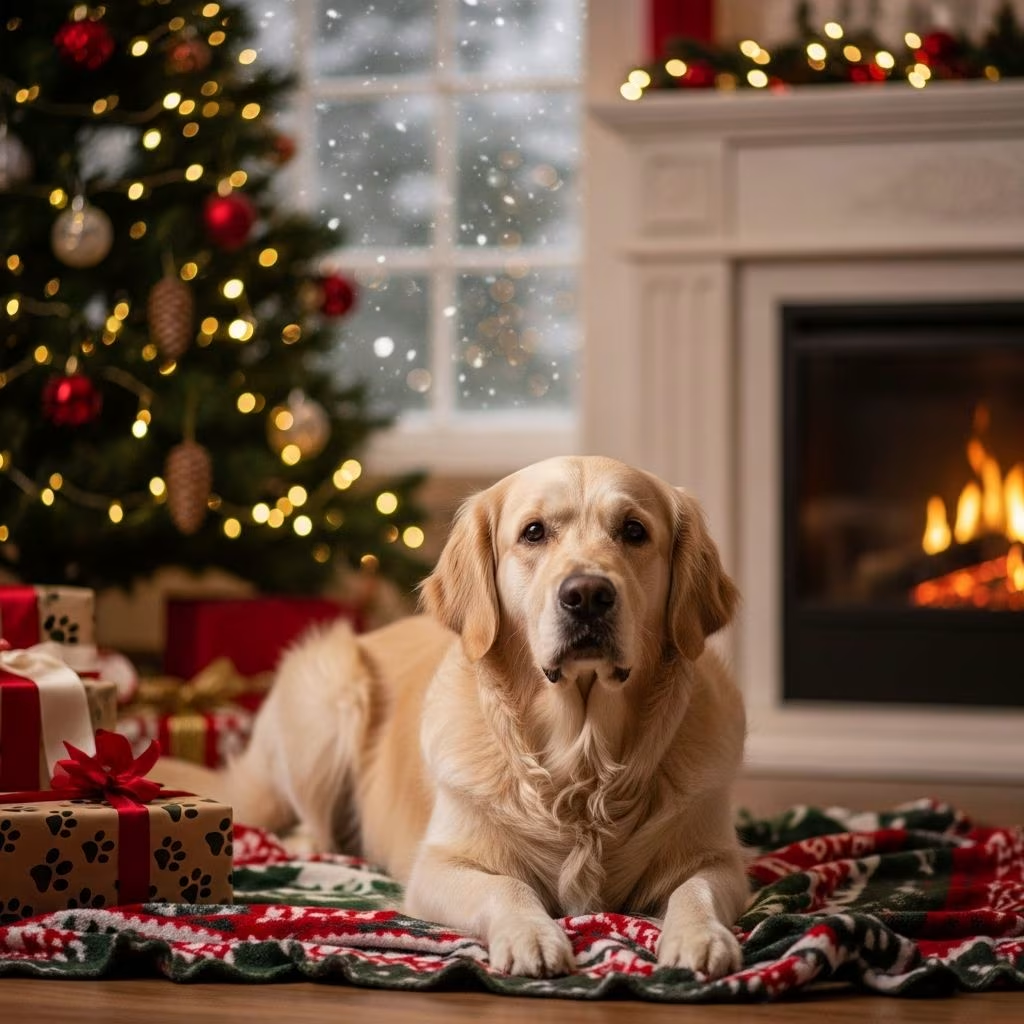
The holiday season brings joy, family gatherings, and festive decorations into our homes—but it also introduces numerous potential dangers for our canine companions. Dogs naturally investigate their environment with curiosity, and the influx of decorations, special foods, and unfamiliar guests can create unexpected hazards. Understanding these risks and implementing preventive measures allows you to celebrate while keeping your dog safe and healthy throughout the season.
Creating a Secure Environment for Your Festive Tree
The Christmas tree stands as a centerpiece in many homes, but it presents multiple challenges for dogs. The tree itself can pose structural risks, while its decorations and surrounding setup create additional concerns that require thoughtful planning.
Structural Stability and Placement
A Christmas tree can easily topple over if a curious or playful dog bumps into it or climbs against it. Securing your tree should be a priority before any decorations go on. Use a weighted base specifically designed for pets, or anchor the tree to the ceiling or wall using sturdy brackets. This prevents accidents that could injure your dog or damage your home. The location matters equally—consider placing your tree in a room where you can close the door, creating a barrier between your dog and potential hazards when you cannot directly supervise.
Water Safety and Tree Maintenance
Real Christmas trees require regular watering, but the water in the tree stand poses significant risks. Tree water can contain harmful fertilizers, pesticides, or chemical preservatives applied during commercial growing and processing. Additionally, stagnant water becomes a breeding ground for bacteria and pathogens that can cause gastrointestinal upset in dogs. Always cover the tree stand securely with a barrier your dog cannot penetrate or disrupt. If your dog shows persistent interest in the water, move the tree to a closed-off room or consider an artificial alternative.
Needle Management and Tree Selection
Real evergreen needles, while rarely causing serious problems in small quantities, can irritate your dog’s digestive system if ingested in significant amounts. The needles contain oils that may cause mild gastrointestinal issues, and in rare cases, they can cause intestinal punctures if enough accumulate. Regularly sweep fallen needles and consider an artificial tree if your dog shows interest in chewing tree branches. Artificial trees eliminate needle concerns entirely while remaining festive and durable year after year.
Ornament Selection and Safe Decoration Practices
The ornaments and decorative items adorning your tree require careful consideration, as many pose choking hazards or contain toxic materials.
Material Choices and Placement Strategy
Select ornaments made from plush fabric, plastic, or other non-breakable materials rather than glass or ceramic. If you prefer traditional glass ornaments, position them in the upper portions of the tree, above your dog’s tail height and reach. Avoid tinsel, metallic garland, and angel hair decorations entirely—these stringy items can cause intestinal blockages if ingested and may require surgical intervention. Replace them with paper garlands, Christmas cards, or other safe alternatives.
Securing Decorative Elements
Use plastic hooks, twist ties, or floral wire to affix ornaments firmly to branches, preventing them from becoming easy targets for a curious nose or passing tail. This extra security ensures that even if your dog investigates the tree, loose ornaments won’t fall and break or become choking hazards. Double-check all attachments regularly, especially after your dog comes near the tree.
Electrical Safety and Light Management
Christmas lights and electrical decorations require careful handling to prevent electrocution or burns.
Cord Protection Strategies
Use pet-safe cord protectors around all electrical wires, including Christmas light strings, extension cords, and chargers. These protective covers prevent your dog from chewing through insulation and contacting live wires, which could cause serious electrical injury or fire hazards. Keep all cords positioned away from your dog’s typical pathways and elevated when possible.
Light Selection and Supervision
LED lights generate less heat than traditional incandescent bulbs, making them slightly safer if contact occurs. However, the safest practice involves unplugging lights when you leave the room or cannot supervise your dog. Never leave decorative lights running unattended, as the combination of electrical hazard and unsupervised access creates unnecessary risk.
Gift Management and Present Safety
The area under and around your Christmas tree becomes a gift-wrapping station and present repository, introducing additional hazards that extend beyond tree-related concerns.
Strategic Present Placement
Resist the urge to arrange presents under the tree early in the season. Dogs may unwrap gifts on their own, consuming packaging materials, ribbons, or the contents inside. Keep presents stored in a separate location until you’re ready to open them on the designated day. This prevents accidental ingestion of wrapping materials and eliminates the temptation for your dog to investigate intriguing packages.
Packaging Material Precautions
Ribbons, bows, tape, and wrapping paper all pose choking hazards. Remove all packaging materials immediately after opening gifts, securing them in sealed trash containers your dog cannot access. Consider using fabric gift bags or reusable wrapping alternatives that minimize stringy materials and reduce waste simultaneously.
Identification of Toxic Holiday Decorations
Beyond the tree itself, seasonal decorations throughout your home may contain toxic substances requiring careful management.
Snow Globes and Similar Decorations
Snow globes contain ethylene glycol (antifreeze) as their internal liquid—a highly toxic substance for dogs even in small quantities. If a snow globe breaks, the sharp glass can injure your dog’s mouth and digestive tract while the liquid causes poisoning symptoms including vomiting, loss of coordination, and organ damage. Keep all snow globes completely out of reach, preferably stored away during the season.
Plant-Based Decorations
Holly, mistletoe, and poinsettias are traditional holiday plants that are toxic to dogs. Holly leaves and berries cause gastrointestinal upset, mistletoe contains toxins affecting the heart and digestive system, and poinsettias can irritate the mouth and stomach. Replace these with artificial alternatives or non-toxic plants like spider plants or Boston ferns.
Candle Safety
Lit candles create fire hazards when curious dogs approach them with wagging tails or when they knock candles over with their body. Burning scented candles also introduce aroma compounds into the environment that may irritate sensitive dogs. Use flameless LED candles instead, which provide the same aesthetic appeal without combustion risks. If you must use real candles, keep them elevated on high shelves and never leave them unattended.
Stress Management and Creating Safe Retreats
Beyond physical hazards, the holiday season introduces emotional stressors that affect your dog’s wellbeing.
Sensory Overload and Noise
Holiday celebrations involve loud music, fireworks, popping party favors, and sudden noises that frighten dogs with sensitive hearing or anxiety tendencies. The season’s increased volume and unexpected sounds trigger stress responses that persist throughout gatherings. Create a quiet, designated room where your dog can retreat when overwhelmed, equipped with their bed, toys, water, and familiar comfort items.
Guest Interactions and Boundary Setting
Holiday gatherings bring unfamiliar people into your home, and excited visitors may handle your dog roughly or fail to respect their space. Establish clear guidelines with guests about petting and interaction. Watch your dog closely for signs of stress—yawning excessively, tucking their tail, or seeking isolation—and provide escape routes to their safe space. Teach your dog basic commands like “sit,” “stay,” “down,” and “leave it” to manage interactions and redirect attention when needed.
Temperature Comfort
Cold winter weather requires attention to your dog’s comfort. Ensure your dog has access to a warm resting area away from drafts and exterior doors. Some dogs benefit from sweaters or coats during outings in frigid temperatures, while others prefer indoor time during harsh weather. Monitor your dog’s behavior for signs of cold stress, such as shivering or reluctance to go outside.
Safe Holiday Foods and Toxic Substance Avoidance
Holiday meals and treats introduce numerous foods that are dangerous for dogs, requiring vigilant management to prevent accidental poisoning.
Common Holiday Foods to Avoid
Chocolate, grapes, raisins, onions, garlic, and foods containing xylitol (a sugar substitute) are all toxic to dogs. Rich fatty foods can cause pancreatitis, a serious inflammatory condition. Holiday beverages, especially those containing alcohol or caffeine, pose additional risks. Keep all edible holiday items in elevated storage, preferably in sealed containers your dog cannot access, until the moment you consume them.
Safe Treat Alternatives
Plan ahead by having dog-safe treats and foods available for your pet during celebrations. Plain cooked turkey, carrots, and dog-formulated treats allow your dog to participate in the festive atmosphere without health risks. Establish firm household rules prohibiting guests from feeding your dog, and remind visitors which foods are prohibited.
Training and Behavioral Management
Proactive training strengthens your ability to manage your dog’s behavior around holiday hazards.
Essential Commands for Holiday Safety
Train your dog to respond reliably to “sit,” “stay,” “down,” “leave it,” and “go to your place.” These commands provide tools to redirect your dog away from dangerous items before they can investigate or consume them. Practice these commands regularly during calm periods, then reinforce them during busier holiday times. A dog responding immediately to “leave it” when approaching a toxic food item or dangerous decoration could prevent serious injury.
Reinforcement and Positive Redirection
Use high-value rewards to encourage desired behaviors around holiday decorations and gatherings. Redirect your dog’s attention to appropriate toys or activities when they approach prohibited items. Consistent, positive reinforcement builds reliable habits more effectively than punishment-based approaches.
Emergency Preparedness and Health Monitoring
Despite your best precautions, accidents can happen, requiring quick recognition and appropriate response.
Recognizing Toxic Ingestion Signs
Watch for symptoms including vomiting, diarrhea, loss of coordination, excessive drooling, tremors, or difficulty breathing. If your dog exhibits any concerning symptoms after potentially contacting a hazardous item, contact your veterinarian immediately. The Animal Poison Control Center (APCC) at (888) 426-4435 provides 24/7 guidance for suspected poisonings.
Emergency Preparedness
Maintain current contact information for your regular veterinarian and a nearby emergency veterinary hospital. Create a holiday pet safety kit containing first-aid supplies, your dog’s medical history, current medications, and recent photos for identification if your dog becomes lost during the chaos of gatherings.
Comprehensive Holiday Safety Checklist
| Safety Category | Action Items |
|---|---|
| Tree Setup | Secure tree to prevent tipping; cover water stand; choose artificial tree if possible; sweep needles regularly |
| Decorations | Use non-breakable ornaments; place glass ornaments high; avoid tinsel and garland; use pet-safe cord protectors |
| Plants & Candles | Remove or replace toxic plants; use flameless candles; keep real candles elevated and supervised |
| Presents & Wrapping | Store presents away until opening time; remove packaging immediately; secure ribbons and bows |
| Food Safety | Keep holiday foods elevated and stored; establish no-feeding rules with guests; provide safe alternatives |
| Stress Management | Create quiet retreat space; limit guest interactions; use calming strategies; monitor temperature comfort |
| Emergency Planning | Keep vet contact information accessible; recognize poisoning symptoms; maintain first-aid supplies |
Frequently Asked Questions
What should I do if my dog eats Christmas tree needles?
Small quantities of needles usually pass through the digestive system without causing serious harm. Monitor your dog for vomiting, diarrhea, or abdominal pain. If your dog consumed a large amount or shows concerning symptoms, contact your veterinarian. Installing a pet barrier around your tree prevents ongoing access to needles.
Is an artificial Christmas tree safer than a real tree for dogs?
Artificial trees eliminate needle-related concerns and typically come with stable bases designed to prevent tipping. However, they still require ornament management, water coverage (if your artificial tree has a stand), and secure positioning. Artificial trees are generally considered safer for dogs prone to investigating real trees.
Can snow globes really poison my dog?
Yes, snow globes contain ethylene glycol, the same toxic chemical found in antifreeze. Even small amounts can cause serious poisoning requiring emergency veterinary care. Keep all snow globes completely out of reach or avoid displaying them during the holiday season.
What holiday decorations are safest for dogs?
LED lights, plastic ornaments, paper garlands, Christmas cards, plush decorations, artificial plants, and weighted tree bases are all safe choices. Flameless candles, secured decorations using twist ties or plastic hooks, and elevated dangerous items minimize risks substantially.
How can I help my dog manage holiday stress?
Create a quiet room with familiar items where your dog can retreat from noise and strangers. Maintain regular exercise routines and training sessions. Use calming products like pheromone diffusers if recommended by your veterinarian. Keep your dog’s schedule as consistent as possible despite holiday disruptions.
References
- Holidays With Dogs: Christmas | Purina US — Nestlé Purina PetCare Company. Accessed 2026-02-17. https://www.purina.com/articles/dog/behavior/understanding-dogs/christmas-safety-for-dogs
- Holiday Safety Tips for Dog Owners | VCA Animal Hospitals — VCA Hospitals, Inc. Accessed 2026-02-17. https://vcahospitals.com/know-your-pet/household-hazards—holiday-safety-tips-for-dog-owners
- Holiday Dog Safety Guide: What Every Pet Owner Should Know — Bark Busters. Accessed 2026-02-17. https://www.barkbusters.com/news/holiday-safety
- Holiday Safety Tips | ASPCA — American Society for the Prevention of Cruelty to Animals. Accessed 2026-02-17. https://www.aspca.org/pet-care/general-pet-care/holiday-safety-tips
- 5 Pet Safety Tips for the Holidays – Pasadena Humane — Pasadena Humane Society & SPCA. Accessed 2026-02-17. https://pasadenahumane.org/5-pet-safety-tips-for-the-holidays/
- Holiday Pet Safety: Seasonal Hazards to Watch Out For — Beaconer Veterinary Clinic. Accessed 2026-02-17. https://www.beaconer.vet/news-blog/holiday-pet-safety-hazards-to-watch-out-for
- Winter holiday pet safety | American Veterinary Medical Association — AVMA. Accessed 2026-02-17. https://www.avma.org/resources-tools/pet-owners/petcare/holiday-pet-safety



