

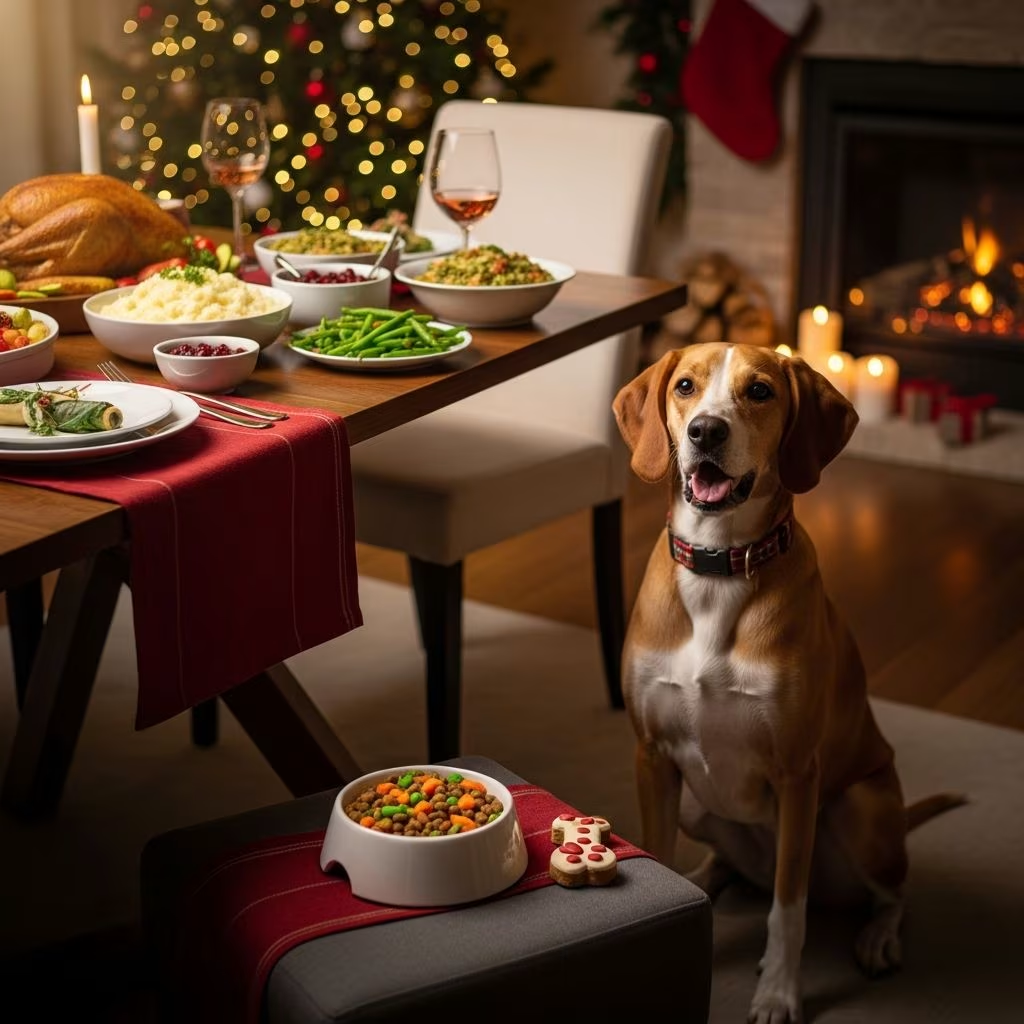
The festive season brings families together around the dinner table, and many pet owners naturally want to include their furry companions in the celebrations. However, holiday meals present unique nutritional challenges for dogs, as traditional festive dishes often contain ingredients that range from mildly inappropriate to genuinely dangerous for canine health. Understanding which foods you can safely share with your dog—and which ones you must keep completely off-limits—allows you to celebrate without compromising your pet’s wellbeing.
The Challenge of Holiday Feasting
Holiday tables are laden with rich, seasoned, and often fatty foods designed to delight human palates. Unfortunately, what tastes delicious to us can upset a dog’s digestive system or trigger serious medical emergencies. Dogs have different metabolic capabilities than humans, making them sensitive to substances we consider harmless. Additionally, many traditional holiday ingredients have become deeply embedded in festive cuisine, making it essential for pet owners to learn the distinction between what merely tastes tempting and what actually poses nutritional value for their dogs.
Nutritious Holiday Options Your Dog Can Safely Enjoy
The good news is that several traditional holiday ingredients can be incorporated into your dog’s diet when prepared correctly. These foods provide genuine nutritional benefits and allow your dog to participate in holiday meals without risk.
Lean Poultry Proteins
Plain, unseasoned turkey and chicken rank among the safest and most nutritious holiday proteins for dogs. These meats deliver high-quality protein essential for muscle maintenance and overall health. The critical preparation rule involves serving only the white meat without skin or bones. Many pet owners assume that bones represent a natural, healthy dog treat, but cooked bones splinter easily and can cause serious internal injuries, blockages, or perforations. The skin, often seasoned with spices or salt, adds unhealthy fats that can trigger digestive upset or more severe conditions like pancreatitis. When preparing poultry for your dog, keep the portion simple: boil or bake plain meat, allow it to cool, and serve in bite-sized pieces.
Vegetable Selections
Multiple vegetables grace holiday tables and offer safe, nutritious options for dogs when served plainly:
- Carrots deliver beta-carotene, fiber, and a satisfying crunch that many dogs enjoy. Both raw and cooked carrots work well, though some owners find that raw carrots provide superior dental benefits through natural chewing action.
- Green beans contain minimal calories while providing valuable vitamin K and magnesium. Whether steamed, boiled, or served raw, plain green beans make an excellent low-calorie treat.
- Sweet potatoes offer fiber, vitamin A, and potassium, though they should be served plain without butter, sugar, or marshmallow toppings. A small spoonful of mashed sweet potato can be both nutritious and satisfying.
- Winter squash varieties including pumpkin and acorn squash provide calcium and potassium. Plain pumpkin, in particular, aids digestive health and remains a veterinarian-recommended treat.
- Plain white or sweet potatoes contain vitamins C and B6, making them nutritionally sound choices when served without salt, butter, milk, or garlic.
Fruits and Other Treats
Apples (without seeds or core) offer vitamin C and a natural sweetness that appeals to many dogs. Fresh cranberries and blueberries provide antioxidants and remain safe in moderation, though they must be plain rather than part of sweetened sauces. Some dogs also benefit from plain cooked rice, which settles the stomach, and boiled eggs, which deliver complete protein.
The Critical Portion Control Principle
Even among safe foods, moderation remains paramount. Veterinary nutritionists establish that treats—whether holiday or everyday—should comprise no more than 10% of your dog’s daily caloric intake. This guideline prevents nutritional imbalances and weight gain that can strain your dog’s health. When offering holiday foods, think in terms of modest portions: a few carrot slices, a spoonful of sweet potato, or a small amount of plain turkey. These small servings allow your dog to experience holiday dining while maintaining their regular nutritional balance.
Strictly Forbidden Holiday Foods
Certain holiday ingredients pose significant health risks and must be kept completely away from dogs. Understanding these dangers helps protect your pet from potentially life-threatening situations.
Toxic Fruits and Related Ingredients
Grapes and raisins stand as among the most dangerous holiday foods for dogs. Despite ongoing research into the specific toxic compound responsible, these fruits can cause acute kidney failure even in small quantities, with unpredictable severity between individual dogs. This unpredictability means there’s no safe minimum dose—even a single grape could theoretically trigger a severe reaction. Raisins appear frequently in holiday baked goods, fruitcakes, and charcuterie boards, making vigilance essential during celebrations.
Allium Family Vegetables
Onions, garlic, leeks, and chives contain sulfoxides that damage red blood cells and cause hemolytic anemia in dogs. These ingredients commonly appear in holiday stuffing, gravies, and seasoning blends, and their danger increases with concentrated forms like garlic powder or onion powder. Even small quantities can trigger gastrointestinal distress, and larger amounts cause measurable hematological changes that require veterinary treatment.
High-Fat Foods and Preparations
Fatty meat drippings, gravies, and cream-based dishes represent common pancreatitis triggers. The pancreas—an organ responsible for digestion and blood sugar regulation—becomes inflamed when exposed to high fat loads, causing a painful condition that can become life-threatening. Creamy mashed potatoes, cheese casseroles, and pan drippings all fall into this dangerous category. Additionally, ham and other cured meats contain excessive salt and often high sugar levels, neither of which benefits canine health.
Nuts and Chocolate
Macadamia nuts cause toxic reactions including vomiting, tremors, weakness, difficulty walking, and elevated body temperature. Walnuts and other nuts also pose neurological risks. Chocolate, particularly dark chocolate and baking chocolate, contains theobromine that dogs metabolize poorly, leading to potentially severe toxicity. Many holiday desserts incorporate chocolate, making it essential to store these items securely away from curious dogs.
Artificial Sweeteners and Alcohol
Xylitol, an artificial sweetener found in many sugar-free products, causes insulin spikes and severe liver damage in dogs. Check all food labels carefully, as xylitol appears in unexpected places including peanut butter, baked goods, and candy. Alcohol, whether consumed directly or present in foods cooked with wine or liqueur, affects dogs far more severely than humans, with even small amounts potentially causing dangerous intoxication.
Baked Goods and Yeast Dough
Unbaked yeast dough presents a hazard often overlooked by holiday bakers. The dough expands inside the dog’s stomach and ferments, producing alcohol while creating dangerous internal pressure. Similarly, raisin-containing baked goods combine multiple hazards—the raisins themselves, potential chocolate ingredients, and often xylitol sweeteners.
Creating a Safe Holiday Dining Experience
Preparation Strategies
Successfully managing your dog’s holiday diet requires planning and communication with household members and guests. Consider these practical approaches:
- Prepare a separate small plate of safe holiday foods for your dog before adding seasonings, oils, or butter to the family meal
- Communicate clearly with guests that your dog is on a restricted diet and cannot accept food offers
- Keep your dog’s regular food and treats accessible as the primary nutrition source
- Store toxic foods securely where your dog cannot access them, even unsupervised
- Choose festive serving dishes for your dog’s safe foods to maintain the celebratory atmosphere
Healthy Treat Alternatives
Rather than relying on trial-and-error with holiday foods, consider prepared alternatives specifically formulated for dogs. Human-grade fresh dog foods made with wholesome ingredients provide nutritional certainty and eliminate guesswork about safety. These products use real turkey, vegetables, and other beneficial ingredients while avoiding the mystery meats, fillers, and potentially harmful additives common in lower-quality options. When traveling for holidays or hosting large gatherings, having pre-prepared healthy meals on hand simplifies feeding your dog while ensuring they receive balanced nutrition.
Understanding Your Dog’s Individual Needs
Individual dogs have varying sensitivities even among safe foods. Some dogs tolerate dairy products like plain cheese in small amounts, while lactose-intolerant dogs experience digestive upset from the same foods. Age, underlying health conditions, and previous dietary experiences influence how your dog responds to holiday foods. When introducing any new food—even safe options—do so gradually in small quantities to monitor your dog’s digestive response.
Emergency Situations and When to Seek Veterinary Care
Despite precautions, accidental ingestion of dangerous foods sometimes occurs. Certain symptoms warrant immediate veterinary attention. Seek emergency care if your dog exhibits vomiting, diarrhea, abdominal pain, difficulty walking, tremors, weakness, or unusual behavior following food consumption. If you know your dog ingested a specific toxic food, contact your veterinarian or an animal poison control center immediately—early intervention can prevent serious complications.
Frequently Asked Questions
Can my dog have a taste of my holiday meal?
Small tastes of plain, unseasoned turkey or plain vegetables are generally safe. Avoid anything with seasoning, sauces, fats, or potentially toxic ingredients. Limit portions to prevent digestive upset and maintain proper nutritional balance.
Are there safe holiday desserts for dogs?
Most traditional holiday desserts contain sugar, chocolate, xylitol, or raisins—all problematic for dogs. Consider making dog-specific treats using dog-safe ingredients like peanut butter (xylitol-free), plain pumpkin, or applesauce instead.
What should I do if my dog eats something toxic?
Contact your veterinarian or animal poison control immediately. Provide information about what was consumed and when. Do not wait for symptoms to appear—prompt treatment significantly improves outcomes for many toxicities.
How can I keep my dog from begging at the holiday table?
Provide a safe food puzzle or long-lasting chew in a separate area during meal times. Feed your dog their regular meal at a different time than family dining. Use positive reinforcement to reward calm behavior away from the table.
Conclusion
Holiday celebrations need not exclude your dog from the festive atmosphere. By understanding which foods provide genuine nutritional value and which pose serious risks, you can confidently share appropriate portions of your meal while keeping your dog safe. Focus on simple, plain preparations of turkey, vegetables, and fruits—these provide enjoyment and nutrition without the dangers of seasonings and rich sauces. Remember that your dog’s safety matters more than including them in every aspect of holiday dining. A healthy, happy dog represents the best gift you can give your family during the festive season.
References
- Can Your Dog Eat Christmas Dinner? The Holiday Foods Pets Can Safely Enjoy — Spot and Tango. 2025. https://www.spotandtango.com/blog/dog-holiday-food-guide
- Human Foods Dogs Can & Can’t Eat Over the Holidays — Purina. 2025. https://www.purina.com/articles/dog/health/nutrition/holiday-human-foods-dogs-can-and-cant-eat
- Holiday Treats for Pets — ASPCA Pet Health Insurance. 2025. https://www.aspcapetinsurance.com/resources/holiday-treats-pet/
- What to Feed Your Pets During the Holidays (And What to Skip) — Matic. 2025. https://matic.com/blog/pet-holiday-foods/
- Holiday Hazards: Keep These Foods Away From Your Pets — University of Wisconsin School of Veterinary Medicine. 2025. https://www.vetmed.wisc.edu/holiday-hazards-keep-these-foods-away-from-your-pets/
- Holiday Foods Dogs Can Eat & Treats to Avoid — Petfolk. 2025. https://petfolk.com/petfolklore/what-holiday-foods-can-my-dog-eat
- Top 5 Holiday Foods That Can Send Pets to the ER — Animal Emergency Clinic of DeLand. 2025. https://animalemergencydeland.com/news/top-5-holiday-foods-that-can-send-pets-to-the-er/



