

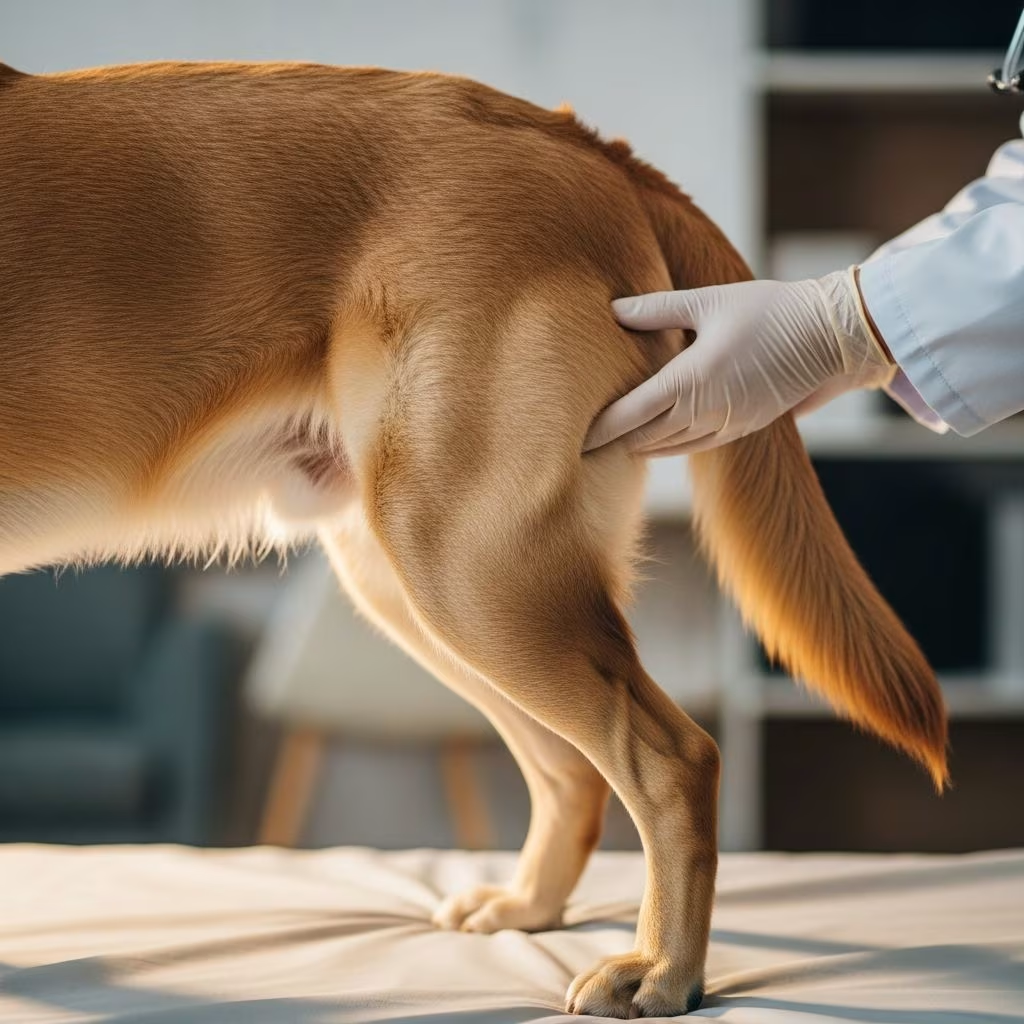
Hind leg weakness or paralysis in dogs can appear abruptly or develop gradually, signaling issues from spinal compression to nerve damage. Prompt veterinary intervention is crucial to identify the root cause and prevent permanent damage, as conditions like intervertebral disc disease often require immediate action for recovery.
Recognizing the Signs of Trouble
Early detection of hind leg problems can make a significant difference in outcomes. Owners often notice their dog dragging the back paws, known as knuckling, which occurs when the paw flips under during movement due to lost sensation. Other indicators include wobbling or ataxia, where the dog appears unsteady, especially during turns, reluctance to climb stairs or jump, and stiffness after rest.
In severe cases, complete paralysis sets in, with the dog unable to stand or support weight on the hindquarters. Accompanying signs may involve pain when touching the lower back, loss of bladder or bowel control, limp tail, or cold hind legs from poor circulation. These symptoms demand urgent attention, as delays can worsen nerve damage.
- Sudden onset: Often linked to trauma or disc herniation, presenting as immediate immobility.
- Gradual progression: Typical of degenerative conditions, starting with mild limping.
- Pain indicators: Yelping, hunched posture, or sensitivity along the spine.
Primary Causes of Hind Leg Dysfunction
Several factors contribute to dogs not using their back legs effectively. Understanding these helps in seeking targeted care.
Spinal Cord Compression from IVDD
Intervertebral disc disease (IVDD) tops the list, especially in breeds like Dachshunds, Corgis, and Basset Hounds with elongated spines. Discs between vertebrae bulge or rupture, pressing on the spinal cord and disrupting signals to the hind limbs. Small dogs are prone to sudden herniations, causing acute paralysis, while larger breeds may experience slower degeneration.
Symptoms escalate from back pain to full limb dysfunction. Breeds with chondrodystrophy—short legs and long backs—are genetically predisposed.
Degenerative Myelopathy in Older Dogs
This progressive neurological disorder primarily affects senior dogs, notably German Shepherds, Boxers, and Pembroke Welsh Corgis. Degenerative myelopathy (DM) destroys the nerves originating from the spinal cord, beginning with hind-end weakness, foot dragging, and advancing to front limb involvement.
It’s genetic, with no cure, but early diagnosis aids management. Owners may mistake initial shuffling for arthritis until paralysis advances.
Trauma and Injuries
Accidents like car hits, falls, or fights can fracture vertebrae or sever nerves, leading to instant hind leg failure. Even minor slips in active dogs, such as agility competitors, might damage ligaments or cause cruciate ruptures, mimicking paralysis through pain avoidance.
Musculoskeletal wear, including hip dysplasia or severe arthritis, causes compensatory limping that progresses to non-use of legs.
Infections, Toxins, and Vascular Issues
Tick-borne diseases inflame nerves, while toxins like organophosphates disrupt neural signals. Aortic thromboembolism blocks blood to hind legs, resulting in painful, cold limbs and rapid paralysis. Fungal infections or botulism toxin similarly impair muscle function.
| Condition | Key Symptoms | Common Breeds/Age | Urgency |
|---|---|---|---|
| IVDD | Sudden pain, dragging paws, paralysis | Dachshund, small breeds | High – Emergency surgery |
| Degenerative Myelopathy | Progressive weakness, knuckling | German Shepherds, seniors | Medium – Palliative care |
| Trauma | Immediate collapse, visible injury | All active dogs | High – Immediate vet |
| Aortic Thromboembolism | Cold/painful legs, no pulse | Medium-large breeds | Critical – Blood clot risk |
When to Seek Emergency Help
Sudden hind leg paralysis warrants an immediate vet visit or emergency clinic, particularly if paired with incontinence or no pain sensation in paws—signs of deep spinal compromise. Even subtle changes like wobbling merit a prompt check, as early intervention in IVDD can restore function via surgery or steroids.
Chronic cases in seniors, such as DM or arthritis, still need evaluation to rule out treatable pain or infections. Transport safely using a board or sling to avoid further spinal stress.
Diagnostic Approaches
Vets start with a neurological exam, testing reflexes, pain response, and gait. Imaging like X-rays reveals fractures or arthritis, while MRI pinpoints disc herniations or tumors. Bloodwork screens for infections, diabetes, or hypothyroidism contributing to weakness. Myelograms or CT scans offer detailed spinal views for surgical planning.
Treatment Strategies
Tailored to the cause, treatments range from conservative to surgical.
- Medical management: Strict crate rest (4-6 weeks) for mild IVDD, pain meds like NSAIDs, muscle relaxants.
- Surgery: Hemilaminectomy removes extruded disc material, boasting 80-95% success in acute cases.
- Rehabilitation: Physical therapy, hydrotherapy, acupuncture rebuild strength post-recovery.
- Supportive care: Wheelchairs for permanent paralysis, manual bladder expression.
For DM, focus shifts to quality of life with carts and anti-inflammatory diets. Vascular clots may require anticoagulants and pain control.
Preventive Measures and Home Care
Maintain ideal weight to ease joint/spinal stress, especially in predisposed breeds. Regular vet checkups catch early arthritis or DM via genetic tests. Avoid high jumps for chondrodystrophic dogs; use ramps for seniors.
At home, provide orthopedic bedding, non-slip floors, and monitor for ticks. Post-treatment, physiotherapy preserves muscle mass.
Prognosis Factors
Outcomes hinge on speed of care: acute IVDD treated within 24 hours often regains full mobility, while delayed cases risk lasting deficits. DM progresses inevitably, but supportive tools extend comfort. Trauma recovery varies by injury severity.
Frequently Asked Questions
Can my dog recover from hind leg paralysis?
Yes, many do with prompt treatment, especially IVDD cases responding to surgery.
Is hind leg weakness always spinal?
No, metabolic issues like diabetes or vascular clots can mimic it.
How much does IVDD surgery cost?
Varies widely; consult your vet for estimates based on location and case complexity.
What breeds are at highest risk?
Dachshunds for IVDD, German Shepherds for DM.
Can paralyzed dogs live happily?
Absolutely, with wheelchairs, rehab, and dedicated care.
References
- What Causes Paralysis in Senior Pets? — Lap of Love. 2023. https://www.lapoflove.com/blog/common-pet-diseases-and-symptoms/what-causes-paralysis-in-senior-pets
- Sudden Hind-Leg Paralysis in Dogs: Critical Steps & Urgent Care Tips — GSVS. 2024. https://gsvs.org/blog/sudden-hind-leg-paralysis-dogs-urgent-care/
- Paralysis in Dogs — PetMD. 2025. https://www.petmd.com/dog/conditions/neurological/paralysis-dogs
- Why is my dog having trouble standing and walking all of a sudden? — Vetster. 2024. https://vetster.com/en/wellness/why-is-my-dog-having-trouble-standing-and-walking-all-of-a-sudden
- Dogs Paralysis: Symptoms, Causes and Treatment — VEG. 2023. https://www.veg.com/post/dogs-paralysis-symptoms-causes-and-treatment
- Signs of Nerve Damage in Your Dog’s Back Legs — Austin Canine Rehab. 2024. https://www.austincaninerehab.com/blog/nerve-damage
- Emergency Care And Support for Sudden Dog Paralysis — Vet Neuro Chesapeake. 2024. https://www.vetneurochesapeake.com/sudden-paralysis



