

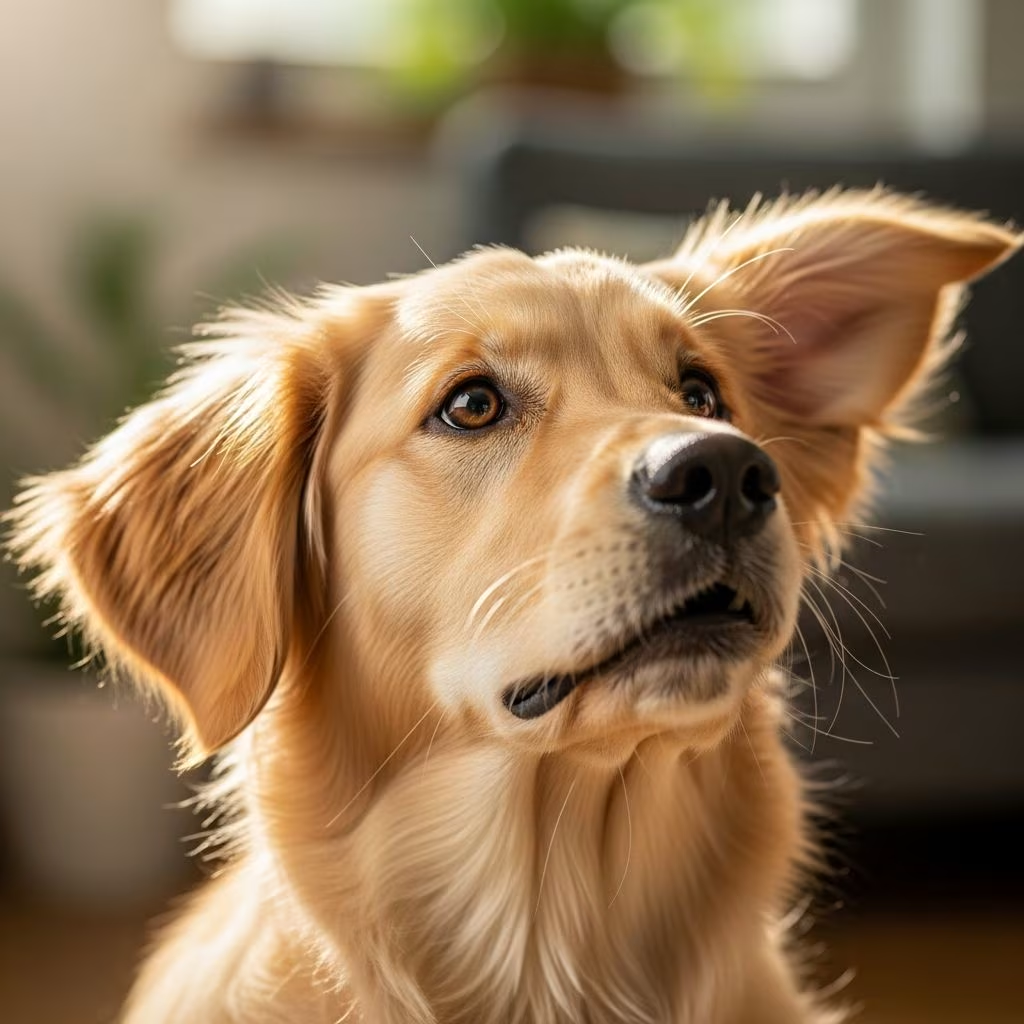
Dogs experience hiccups just like humans, resulting from involuntary spasms of the diaphragm muscle that separates the chest from the abdomen. These spasms cause the glottis—the opening between the vocal cords—to close suddenly, producing the characteristic “hic” sound. While usually benign and short-lived, understanding the triggers and remedies helps pet owners manage them effectively.
Understanding the Physiology Behind Canine Hiccups
The diaphragm is essential for breathing, contracting to draw air into the lungs. When irritated, it spasms rhythmically, leading to hiccups. In dogs, this can stem from simple digestive or respiratory disturbances or, rarely, more complex health issues. Puppies are particularly prone due to their developing systems, often hiccuping after play or meals.
Hiccups differ from coughs or gagging; they are repetitive, sharp inhalations without expulsion of material. Recognizing this distinction aids in proper response.
Common Triggers for Hiccups in Dogs
Most canine hiccups arise from everyday behaviors or environmental factors. Identifying patterns allows for prevention.
- Rapid Eating or Drinking: Dogs gulping food or water swallow excess air (aerophagia), distending the stomach and irritating the diaphragm. This is prevalent in food-motivated breeds.
- Overeating or Dietary Shifts: Large meals or sudden food changes cause gas buildup and stomach upset, prompting spasms.
- Excitement and Stress: High energy or anxiety alters breathing patterns, leading to shallow breaths and diaphragm irritation.
- Temperature Fluctuations: Sudden cold exposure, especially in puppies, can trigger hiccups by shocking the system.
- Environmental Irritants: Smoke, chemicals, or strong scents provoke respiratory reflexes affecting the diaphragm.
Why Puppies Hiccup More Frequently
Puppies’ immature digestive and respiratory tracts make them susceptible. Their enthusiasm for meals often leads to rapid consumption, while exploratory play introduces irritants or overexertion. Fatigue from growth spurts or cold drafts exacerbate this. These episodes typically resolve as they mature, but monitoring ensures no underlying issues.
Household Remedies to Relieve Dog Hiccups
Many hiccups self-resolve within minutes, but gentle interventions speed recovery without medication.
| Remedy | How It Helps | Application Tips |
|---|---|---|
| Slow-Feeder Bowls | Prevents air swallowing | Use puzzle feeders for meals; introduce gradually |
| Gentle Belly Rubs | Relaxes diaphragm muscles | Clockwise motions for 5-10 minutes |
| Small Sips of Water | Settles stomach gas | Offer from a shallow dish or fountain |
| Calm Walks | Regulates breathing | Leash walks in quiet areas |
| Position Changes | Shifts pressure on diaphragm | Encourage sitting or lying down |
Avoid startling your dog or using human remedies like lemon or sugar, as they may cause distress or toxicity.
Prevention Strategies for a Hiccup-Free Life
Proactive measures minimize occurrences:
- Divide meals into smaller, frequent portions to curb gulping.
- Introduce new foods slowly over 7-10 days.
- Maintain a stress-free environment with routine exercise and play.
- Ensure warm bedding and avoid drafts for puppies.
- Ventilate living spaces to reduce irritants.
These habits promote overall digestive health, reducing hiccup frequency.
When Hiccups Signal a Vet Visit
Persistent hiccups—lasting hours, recurring daily, or exceeding 48 hours—warrant professional evaluation. Accompanying symptoms heighten urgency:
- Vomiting, diarrhea, or appetite loss (gastrointestinal upset).
- Coughing, wheezing, or labored breathing (respiratory issues).
- Lethargy, weakness, or collapse (heatstroke, heart disease).
- Abdominal pain or bloating (reflux, IBD).
Rarely, hiccups link to pneumonia, bronchitis, asthma, pericarditis, tumors, or esophageal defects. Vets may perform exams, imaging, or bloodwork for diagnosis.
Potential Serious Causes and Treatments
Underlying conditions require targeted care:
- Respiratory Diseases: Antibiotics for infections like kennel cough or pneumonia; inhalers for asthma.
- Heart Conditions: Medications to manage fluid and improve function.
- Gastrointestinal Disorders: Diet changes, antacids, or surgery for severe reflux.
- Heatstroke: Cooling protocols and IV fluids emergently.
Early intervention prevents complications; never delay if symptoms compound.
Frequently Asked Questions (FAQs)
Are dog hiccups painful?
Typically not; they are more startling than hurtful, resolving quickly.
Can medications cause hiccups in dogs?
Some research suggests yes, particularly those affecting nerves or muscles; consult your vet.
How long is too long for puppy hiccups?
Over 30 minutes or with distress signals a check-up.
Do all dog breeds get hiccups equally?
No; brachycephalic (short-nosed) breeds may experience more due to airway challenges.
Is it safe to ignore occasional hiccups?
Yes, if brief and isolated; track patterns for prevention.
Long-Term Monitoring and Care
Keep a hiccup journal noting duration, triggers, and symptoms. Annual vet check-ups catch predispositions early. Balanced nutrition with probiotics supports gut health, indirectly curbing spasms. Hydration via fresh water sources prevents gulping episodes.
For multi-dog homes, separate feeding reduces competition-induced rapid eating. Training commands like “wait” before meals fosters slower consumption.
Integrating these practices ensures your dog’s comfort and vitality, turning potential concerns into manageable routines.
References
- Dog Hiccups: Causes & Remedies — Brown Veterinary Hospital. 2023. https://brownvethospital.com/blog/dog-hiccups/
- Dog Hiccups: What Are They and How Do Dogs Get Them? — PetMD. 2024. https://www.petmd.com/dog/general-health/dog-hiccups
- Why Does My Dog Have Hiccups? — Veterinary Healthcare Associates. 2023. https://vhavets.com/blog/why-does-my-dog-have-hiccups/
- Dog & Puppy Hiccups: How to Get Rid of Them — Animal Care & General Surgery Veterinary Hospital. 2022-05-31. https://www.acgasvet.com/site/blog/2022/05/31/dog-puppy-hiccups
- Can Dogs Get Hiccups? Causes and Treatments — BARK. 2024. https://bark.co/blogs/health/can-dogs-get-hiccups
- Dog Hiccups: Why They Happen, and When They’re Serious — GoodRx. 2024. https://www.goodrx.com/pet-health/dog/hiccups
- Can Dogs Get Hiccups? Causes & Treatment — Purina US. 2024. https://www.purina.com/articles/dog/behavior/understanding-dogs/can-dogs-get-hiccups



