Dog Hiccups: Causes, Treatment & When to Worry
Learn why dogs get hiccups, how to help, and when to contact your vet for persistent cases.
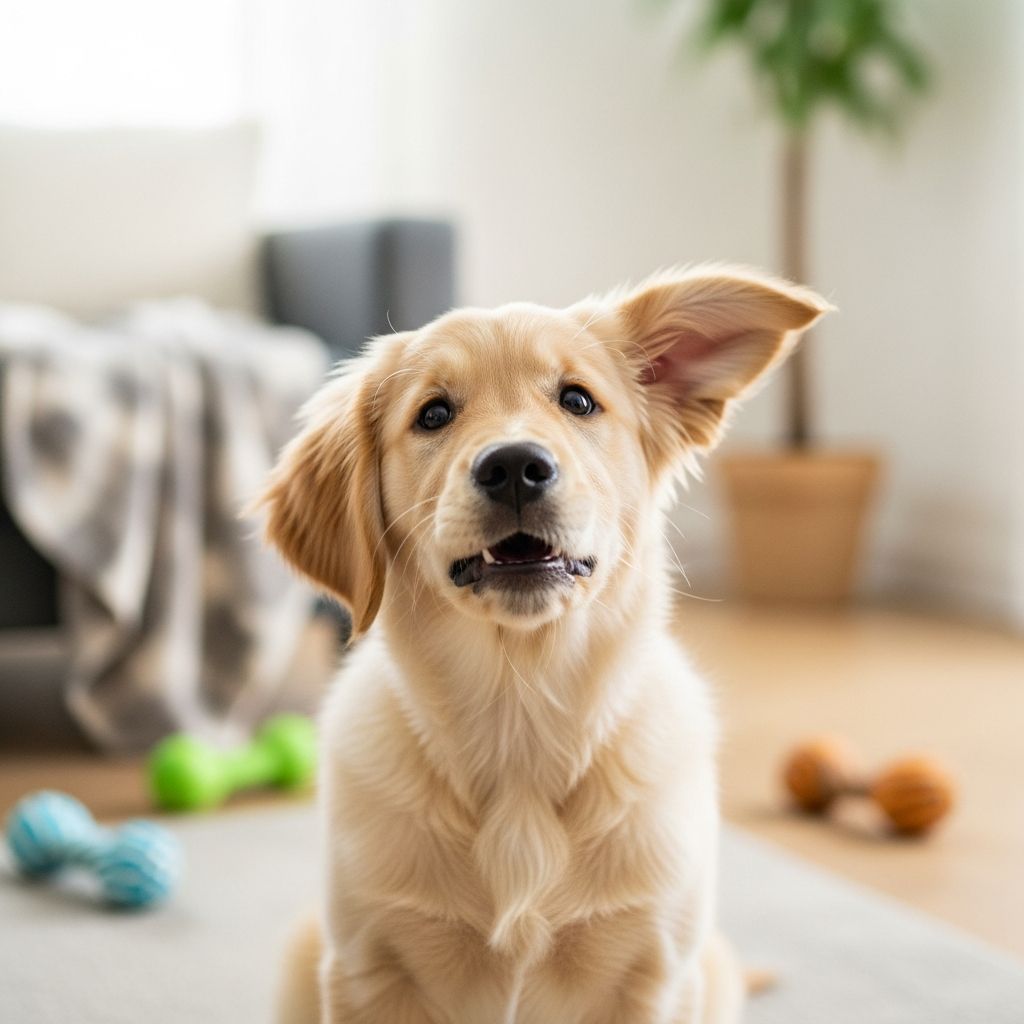
If you’ve ever heard your dog make a sudden “hic” sound, you may have wondered if what you’re experiencing is the same phenomenon that affects humans. The answer is yes—dogs absolutely can get hiccups, and for the most part, they’re nothing to be concerned about. Just like humans, dogs experience hiccups as involuntary muscle contractions, and they’re generally harmless. However, understanding what causes them and how to respond appropriately will help you become a more informed and confident pet owner.
Understanding Dog Hiccups: What They Are
Hiccups in dogs are caused by involuntary spasms of the diaphragm, the primary muscle responsible for controlling breathing. When the diaphragm suddenly contracts, it causes the vocal cords to close abruptly, producing the distinctive “hic” sound. These involuntary contractions can occur multiple times per minute and may last anywhere from a few minutes to, in rare cases, several hours. In the vast majority of situations, dog hiccups are completely harmless and don’t indicate any underlying health problems.
The frequency of hiccups varies widely among individual dogs. Some dogs may experience hiccups at a rate of 4 to 60 per minute, depending on the severity and cause. Most cases resolve on their own without any intervention needed, making them a natural and benign occurrence in your dog’s life.
Why Do Dogs Get Hiccups?
Understanding the causes of dog hiccups can help you anticipate when they might occur and potentially prevent them. There are several common triggers that lead to hiccupping episodes in dogs:
Eating Too Fast
One of the most frequent causes of dog hiccups is eating food too quickly. When dogs rapidly consume their meals, they often swallow excessive amounts of air along with their food. This air intake can trigger diaphragmatic contractions and lead to hiccups. If your dog tends to be a fast eater, they may be more prone to experiencing hiccups after meals. Similarly, speed drinking can produce the same effect, particularly if your dog gulps water rapidly.
Excitement and Stress
Dogs that become overly excited or stressed may experience hiccups due to increased respiratory activity. When dogs get excited—particularly puppies—they tend to breathe faster and harder, taking in extra air in the process. Stress and anxiety can similarly elevate a dog’s heart rate and breathing rate, leading to involuntary diaphragm contractions. Signs of stress or excitement, such as rapid panting or quick, shallow breaths, often precede or accompany hiccup episodes.
Temperature Changes
Feeling chilly can also trigger hiccups in dogs. Just as cold air can sometimes cause hiccups in humans, a sudden drop in body temperature or exposure to cold conditions may stimulate the diaphragm to contract. This is particularly relevant during colder months or if your dog spends time in air-conditioned environments.
Minor Gastrointestinal Issues
Slight digestive irritation or minor gastrointestinal issues can sometimes result in hiccups. While serious digestive problems would typically present with additional symptoms, mild irritation in the digestive system may occasionally trigger diaphragmatic spasms.
Swallowing Air
One prevailing theory among veterinarians is that hiccups occur when dogs inadvertently swallow excessive air. This can happen during regular activities, not just during eating or drinking, though meals and excitement are the most common triggers.
Are Puppies More Prone to Hiccups?
Yes, puppies tend to experience hiccups more frequently than adult dogs. While the exact scientific explanation isn’t definitively established, several theories explain this phenomenon. One theory suggests that frequent hiccups in puppies may be a carryover from their time in utero, when hiccups served developmental purposes. Another theory proposes that hiccups in puppies aid in digestion and help relieve gas, making them a beneficial process during their growth and development.
Puppies are naturally more active and excitable than mature dogs, which means they’re more prone to the triggers that cause hiccups. Their growing bodies and developing digestive systems may also contribute to more frequent episodes. As dogs mature, hiccup frequency typically decreases, though adult dogs certainly can and do experience them throughout their lives.
Do Certain Breeds Experience More Hiccups?
Interestingly, certain dog breeds appear to be more susceptible to hiccups than others. Brachycephalic breeds—those with shortened skulls and flattened faces—are particularly prone to hiccups. Breeds such as Pugs, Bulldogs, and French Bulldogs fall into this category. The anatomical structure of these breeds, characterized by their shortened skull shapes and constricted airways, makes them more likely to experience diaphragmatic spasms and subsequent hiccups. If you own one of these breeds, you may notice hiccups occurring more frequently than in other dog varieties.
Distinguishing Hiccups from Other Conditions
While hiccups are typically harmless, it’s important for pet owners to distinguish them from potentially more serious conditions that might require veterinary attention.
Hiccups vs. Respiratory Issues
Hiccups are generally restricted to the diaphragmatic region and don’t typically indicate respiratory problems. However, if your dog’s hiccup-like sounds progress to wheezing or if you notice any irregularity or difficulty in their breathing pattern, this could indicate a respiratory complication requiring immediate veterinary attention. Signs that suggest a respiratory issue rather than simple hiccups include persistent wheezing, labored breathing, or sounds that progress beyond the typical “hic” noise.
Hiccups vs. Choking
A dog experiencing hiccups will typically remain calm while the episode passes on its own. In contrast, a choking dog will appear very distressed and anxious. Additional signs of choking include pawing at the mouth, excessive drooling, gagging, and forceful coughing. If you suspect your dog is choking, this constitutes a medical emergency requiring immediate intervention or urgent veterinary care.
How to Help Your Dog With Hiccups
While most hiccups resolve naturally without intervention, there are several strategies you can employ to help soothe your dog during a hiccupping episode:
Wait It Out
Most cases of dog hiccups go away on their own within a few minutes. According to veterinary experts, hiccups typically clear up within 15-20 minutes, though they can occasionally persist longer. If your dog isn’t visibly bothered by the hiccups, the best approach is simply to let them pass naturally.
Offer Water
Providing your dog with a small amount of lukewarm water can help relax their diaphragm and alleviate hiccups. Encourage your dog to drink slowly and calmly rather than gulping the water. Some veterinarians recommend adding a small amount of honey to the water bowl, which can soothe the throat while also encouraging your dog to drink at a slower pace due to the slightly thicker consistency.
Distraction Techniques
Sometimes, simply distracting your dog can help break the hiccupping cycle. Offering a favorite toy, engaging in gentle play, or providing mental stimulation can redirect your dog’s focus and potentially interrupt the involuntary contractions.
Gentle Physical Comfort
A gentle chest massage or simply providing comfort and reassurance can help your dog relax during a hiccupping episode. Since stress and excitement can prolong hiccups, creating a calm environment and providing physical comfort may help resolve them more quickly.
Preventing Dog Hiccups
Since eating and drinking too fast are among the most common causes of hiccups, implementing feeding strategies can significantly reduce their occurrence:
- Use slow-feeder dog bowls with raised sections or maze-like patterns that force your dog to eat more slowly
- Invest in dog puzzle toys designed for mealtime that dispense food gradually
- Feed your dog smaller portions more frequently rather than one large meal
- Supervise meals to discourage rapid eating
- Provide water in smaller amounts throughout the day rather than allowing free access to large water bowls
- Maintain a calm environment during feeding times to minimize excitement-related triggers
When to Contact Your Veterinarian
While dog hiccups are generally harmless, certain circumstances warrant veterinary attention. If any of the following occurs, it’s advisable to contact your veterinarian for evaluation:
- Hiccups persist for several hours or longer than half a day
- Hiccups become more frequent or severe over time
- Your dog displays signs of distress, discomfort, or difficulty breathing during hiccups
- Hiccups are accompanied by other symptoms such as vomiting, loss of appetite, or lethargy
- Your dog appears to be in pain or shows behavioral changes
In such cases, prolonged or severe hiccups might indicate an underlying medical issue that requires professional diagnosis and treatment. As the adage goes, “it’s better to be safe than sorry” when it comes to your pet’s health.
Frequently Asked Questions About Dog Hiccups
Q: Are dog hiccups the same as human hiccups?
A: Yes, dog hiccups are essentially the same phenomenon as human hiccups. They’re caused by involuntary diaphragm contractions and are generally harmless in both species.
Q: How long do dog hiccups typically last?
A: Most dog hiccups resolve within a few minutes to 15-20 minutes. In rare cases, they may persist for longer periods, but persistent hiccups lasting several hours should be evaluated by a veterinarian.
Q: Can I prevent my dog from getting hiccups?
A: While you can’t completely prevent hiccups, you can reduce their frequency by using slow-feeder bowls, feeding smaller portions, encouraging calm eating habits, and minimizing stress and excitement around meal times.
Q: Do hiccups hurt dogs?
A: No, hiccups don’t hurt dogs. They’re involuntary contractions that are typically painless and harmless, though your dog might find them slightly uncomfortable or annoying.
Q: Should I be worried if my puppy has hiccups?
A: No, hiccups in puppies are very normal and occur more frequently than in adult dogs. As long as your puppy isn’t showing signs of distress, hiccups are nothing to worry about.
Q: What’s the difference between hiccups and reverse sneezing?
A: Hiccups are involuntary diaphragm contractions causing a “hic” sound, while reverse sneezing is a different reflex where the dog rapidly inhales through the nose, producing a snorting sound. Both are generally harmless.
Q: Is there a cure for hiccups?
A: Hiccups don’t require a cure as they resolve on their own. You can provide comfort measures like offering water or gentle distraction, but most hiccups simply need time to pass.
Summary
Dog hiccups are a natural, harmless phenomenon that most dog owners will encounter at some point. Whether caused by eating too quickly, excitement, temperature changes, or minor digestive irritation, hiccups are typically nothing to worry about. By understanding the causes and implementing preventive strategies—such as using slow-feeder bowls and maintaining calm meal environments—you can reduce their frequency. While most hiccups resolve on their own within minutes, knowing when to seek veterinary attention ensures you can respond appropriately if an episode becomes prolonged or concerning. With this comprehensive understanding, you can confidently manage your dog’s hiccups and focus on keeping your furry companion happy and healthy.
References
- Can Dogs Get Hiccups? Is This Normal? — Chewy Education. 2025. https://www.chewy.com/education/dog/training-and-behavior/can-dogs-get-hiccups
- Can Dogs & Puppies Get Hiccups? — Rover.com. 2025. https://www.rover.com/blog/dog-hiccups/
- Dog Hiccups: Vet-Verified Causes, Care Guide & FAQ — Dogster. 2025. https://www.dogster.com/dog-health-care/dog-hiccups
- Why Do Puppies Get Hiccups? 5 Vet-Reviewed Reasons & FAQ — Hepper. 2025. https://articles.hepper.com/why-do-puppies-get-hiccups/
- What Causes Dog Hiccups? — Canna-Pet. 2025. https://canna-pet.com/articles/what-causes-dog-hiccups/
Similar Articles








Read full bio of medha deb