

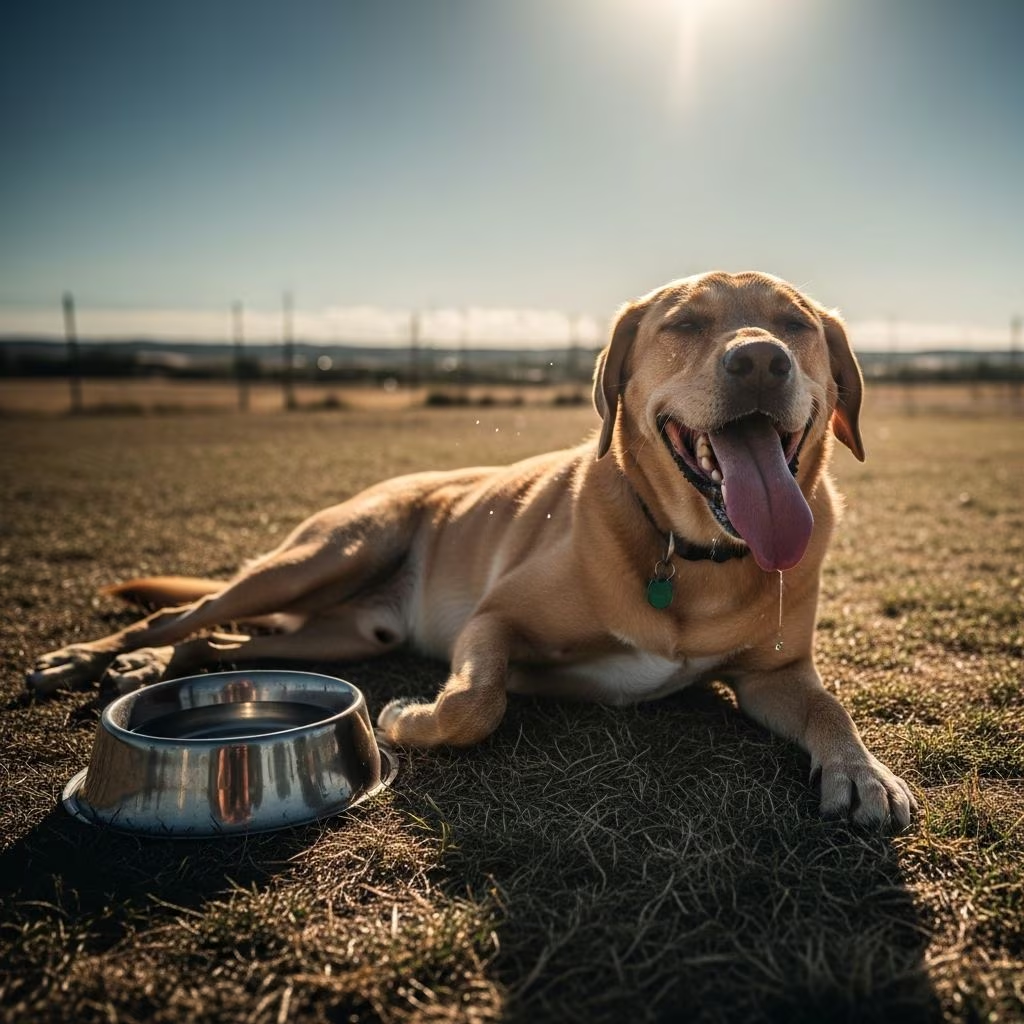
Dogs rely primarily on panting to regulate body temperature, making them vulnerable to overheating in warm environments. Heatstroke occurs when a dog’s core temperature exceeds 105°F, potentially leading to organ failure if not addressed promptly.
Understanding How Dogs Cool Themselves
Unlike humans, dogs have limited sweat glands located mainly in their paws, which are insufficient for effective cooling during heat exposure. Panting allows evaporation from the tongue and respiratory tract, but high humidity impairs this process by reducing evaporation efficiency. Certain breeds, such as brachycephalics like Bulldogs and Pugs, face heightened risks due to narrowed airways that hinder airflow.
Early Warning Signs of Overheating
Detecting overheating early can prevent progression to full heatstroke. Initial indicators include:
- Heavy or rapid panting beyond normal levels
- Increased drooling or thick saliva
- Bright red or pale gums
- Mild lethargy or reluctance to move
- Elevated heart rate detectable at rest
These symptoms often appear when temperatures surpass 102°F, signaling the need for immediate intervention.
Severe Symptoms Requiring Urgent Action
As overheating intensifies, life-threatening signs emerge, indicating heatstroke with temperatures above 105°F:
- Hyperventilation or noisy breathing
- Weakness, stumbling, or collapse
- Vomiting, diarrhea (possibly bloody), or muscle tremors
- Seizures, confusion, or unconsciousness
- Gums turning grayish-purple from oxygen deprivation
At this stage, multi-organ damage can occur rapidly, with fatality risks rising significantly.
Primary Causes of Heat-Related Emergencies in Dogs
Heatstroke arises from environmental and activity-related factors. Key triggers include:
| Cause | Description | Risk Level |
|---|---|---|
| High ambient heat and humidity | Direct sun exposure without shade or water | High |
| Exertional activity | Strenuous exercise in warm conditions | High |
| Confined spaces | Hot cars, garages, or poorly ventilated areas | Extreme |
| Hot surfaces | Pavement or sand burning paws and raising body heat | Moderate |
| Restrictive equipment | Muzzles limiting panting | Moderate |
Even moderate temperatures (above 80°F) combined with humidity over 70% can overwhelm a dog’s cooling mechanisms.
High-Risk Dog Profiles
Not all dogs face equal threats. Vulnerable groups include:
- Brachycephalic breeds: Pugs, Boston Terriers, French Bulldogs with inefficient airways.
- Obese or overweight dogs: Excess fat insulates heat.
- Puppies and seniors: Immature or declining thermoregulation.
- Dogs with health issues: Heart disease, respiratory problems, or neurological conditions like seizures.
Understanding your dog’s profile allows tailored precautions during warmer months.
Immediate First Aid: Step-by-Step Guide
Time is critical—act within minutes to halt temperature rise. Follow this protocol:
- Relocate to safety: Move to shade or air-conditioned space; stop all activity.
- Cool externally: Apply cool (not ice-cold) water to neck, armpits, belly, paws, and groin. Use towels soaked in lukewarm water and fan for evaporation.
- Hydrate carefully: Offer small amounts of cool water if conscious and willing; avoid force-feeding.
- Monitor and transport: Check temperature if possible (above 105°F is emergency); seek vet care immediately, even if symptoms ease.
Avoid submerging unconscious dogs or using ice, as it risks shock. Prioritize ‘cool first, transport second’ to maximize recovery odds.
Veterinary Interventions for Heatstroke
Professional treatment focuses on stabilization and organ support:
- IV fluids for hydration and blood pressure
- Active cooling methods under monitoring
- Medications for seizures, gut protection, or antibiotics
- Oxygen therapy and blood products if clotting issues arise
- Diagnostics like bloodwork to assess damage
Prognosis varies by severity; mild cases recover fully, while advanced ones may involve hospitalization.
Proven Prevention Strategies
Proactive measures reduce risks substantially:
- Schedule walks for cooler times (early morning/evening).
- Provide constant fresh water and shaded rest areas.
- Use cooling mats, vests, or damp towels during heatwaves.
- Avoid hot cars—temperatures soar 20°F in 10 minutes.
- Trim thick coats but never shave double-coated breeds.
- Monitor paw pads for burns on hot ground (test with hand: if too hot for 5 seconds, it’s unsafe).
For high-risk dogs, consult vets for personalized plans, including acclimation training.
Seasonal and Lifestyle Adjustments
Beyond basics, integrate habits like weight management, heartworm preventives (which aid circulation), and gradual exercise buildup in spring. Indoor games preserve fitness without heat exposure. Apps tracking humidity-temperature indices help forecast danger days.
FAQs on Dog Overheating
Can dogs recover from heatstroke without vet care?
Mild overheating may resolve with rest and cooling, but temperatures over 105°F demand professional evaluation for hidden damage.
What temperature is dangerous for dogs?
Normal is 100.5-102.5°F; over 104°F signals risk, 105°F+ is heatstroke emergency.
Are flat-faced dogs always at risk?
Yes, their anatomy impairs panting efficiency, amplifying even mild heat threats.
How fast does a car heat up with a dog inside?
On 85°F days, interiors reach 102°F in 10 minutes, fatally hot quickly.
Is cold water safe for cooling?
Room-temperature or cool water is ideal; cold prevents shock and aids evaporation.
By staying vigilant, pet owners can safeguard dogs from heatstroke’s dangers, ensuring joyful summers.
References
- Heat Stroke in Dogs: Causes, Symptoms, and Treatment — Veg.com. 2023-06-15. https://www.veg.com/post/dog-heat-stroke
- How to Recognise & Treat Heatstroke in Dogs — RSPCA. 2024-05-20. https://www.rspca.org.uk/adviceandwelfare/pets/dogs/health/heatstroke
- What To Do if Your Pet is Overheating — Small Door Veterinary. 2023-07-10. https://www.smalldoorvet.com/learning-center/what-to-do/pet-overheating
- 9 Signs of Overheating in Dogs and How To Cool Them Down — Chewy.com. 2024-03-12. https://www.chewy.com/education/dog/health-and-wellness/overheating-in-dogs
- Heatstroke: A medical emergency — Cornell University College of Veterinary Medicine. 2024-01-08. https://www.vet.cornell.edu/departments-centers-and-institutes/riney-canine-health-center/canine-health-information/heatstroke-medical-emergency
- Overheating in Dogs: Signs, Symptoms, Prevention — American Kennel Club. 2023-11-28. https://www.akc.org/expert-advice/health/overheating-in-dogs/



