

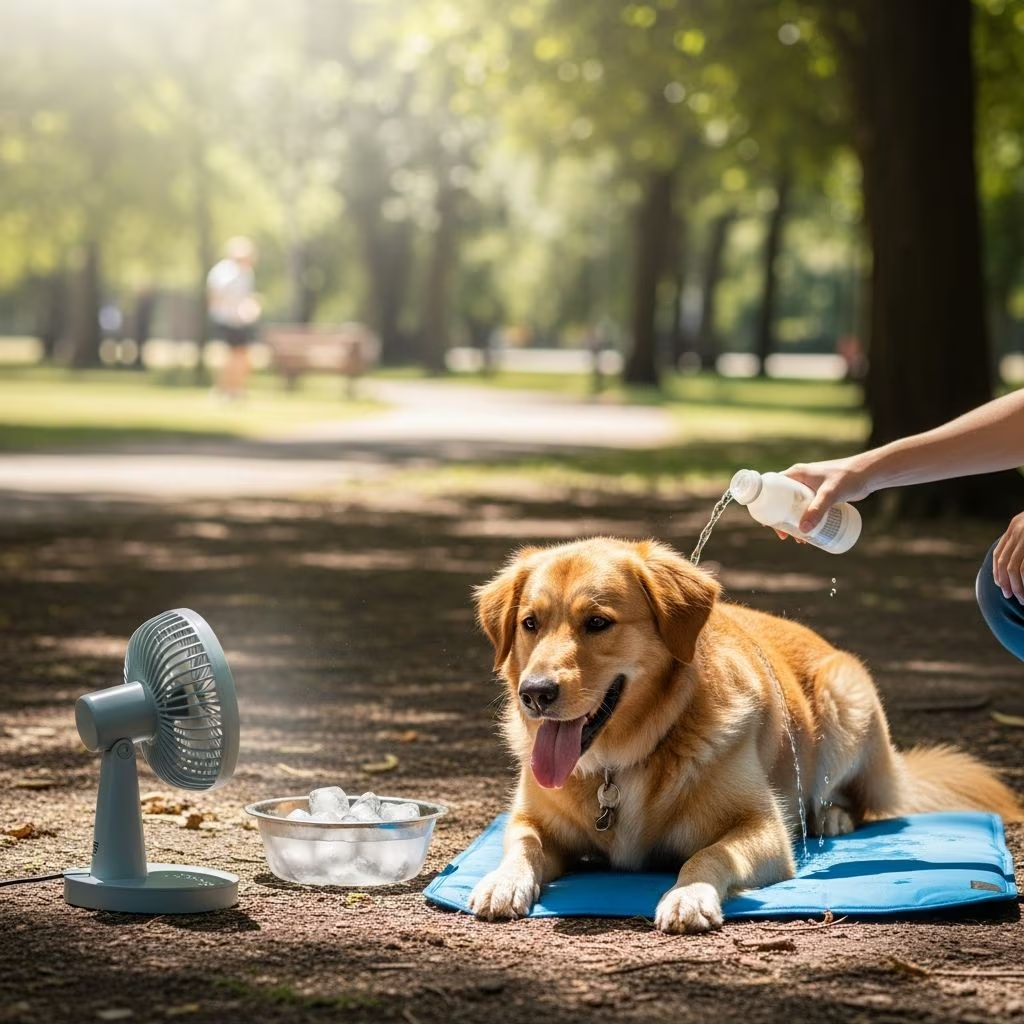
As temperatures climb during warmer months, pet owners face an increased responsibility to protect their canine companions from the dangers of excessive heat. Unlike humans, dogs cannot efficiently regulate their body temperature through sweating, making them particularly vulnerable to heat-related emergencies. Understanding the risks, recognizing warning signs, and implementing preventive measures are crucial steps in keeping your dog safe throughout the year’s hottest periods.
Understanding Heat-Related Illness in Dogs
Heat stroke in dogs represents a serious medical emergency that can develop rapidly and lead to severe complications or death if not addressed promptly. This condition occurs when a dog’s core body temperature rises to dangerous levels, overwhelming their natural cooling mechanisms. Dogs lose heat primarily through panting and minimal sweating through their paw pads, making them far less efficient at temperature regulation than humans. When environmental conditions exceed their ability to cool themselves—or when they engage in excessive activity in warm weather—their body temperature can spike dangerously fast.
The speed at which heat stroke develops can be shocking to pet owners. Studies have shown that a dog left in a parked car can experience life-threatening temperature increases within just 10 minutes, even when windows are partially open. Similarly, seemingly innocent activities like afternoon walks or backyard play sessions can trigger heat stroke in vulnerable dogs, particularly those with certain physical characteristics or health conditions.
Identifying Vulnerable Dogs and Risk Factors
Certain dog populations face significantly higher risks during warm weather. Flat-faced or brachycephalic breeds—including Bulldogs, Pugs, Boston Terriers, and Shih Tzus—struggle with heat regulation due to their shortened airways and compromised breathing efficiency. Senior dogs experience reduced ability to thermoregulate, while overweight or obese dogs face compounded risks due to excess insulating body tissue. Dogs with thick double coats, those with underlying respiratory conditions, and puppies also require extra caution during heat waves.
Beyond breed and age considerations, individual temperament plays a role in heat stroke risk. Many dogs do not instinctively recognize when they need to retreat from heat, continuing vigorous activity or play until it’s too late. This behavior makes owner awareness and intervention essential for keeping these enthusiastic pets safe.
Recognizing the Warning Signs of Overheating
Early detection of heat stress can mean the difference between a minor concern and a life-threatening emergency. Pet owners should watch for these warning indicators that their dog is overheating:
- Excessive panting that seems disproportionate to activity level
- Drooling or thick, ropy saliva
- Redness or inflammation in the mouth, tongue, or gums
- Weakness, lethargy, or reluctance to move
- Disorientation, confusion, or loss of coordination
- Vomiting or diarrhea
- Collapse, unconsciousness, or seizures in severe cases
- Rapid or irregular heartbeat
- Glazed or bloodshot eyes
These signs can progress rapidly from mild to severe. A dog showing early warning signs like excessive panting should be moved to a cooler environment and offered water immediately. However, the presence of advanced symptoms like collapse or seizures indicates a medical emergency requiring immediate veterinary intervention.
Immediate First Aid Response for Overheated Dogs
When you suspect your dog is overheating, immediate action can significantly improve outcomes. Research indicates that cooling your pet before arriving at a veterinary hospital increases survival rates from approximately 50% to 80%. Follow these critical first aid steps:
- Remove from heat source: Immediately move your dog away from the hot environment to a shaded or air-conditioned space.
- Begin cooling measures: Apply room-temperature or cool water to your dog’s body, focusing on high-heat areas like the back of the neck, head, and paws. Do not use ice-cold water, as this can trigger shock or worsen the condition.
- Facilitate air circulation: Position your dog near a fan or in front of an open window to increase evaporative cooling.
- Offer hydration: Provide small amounts of cool (not cold) water for drinking, but do not force consumption if your dog is unwilling.
- Seek emergency veterinary care: Transport your dog to the nearest veterinary emergency clinic immediately. Do not delay seeking professional medical attention.
- Monitor temperature: If possible, take your dog’s rectal temperature periodically, but only if you can do so without delaying transport to the vet.
Critical caution: Never immerse your dog in ice water or use ice packs as primary cooling methods. The shock from extreme cold can cause additional complications and paradoxically worsen outcomes. Similarly, do not restrict water access if your dog is conscious and willing to drink, as rehydration is essential.
Professional Veterinary Treatment Options
Once at a veterinary facility, heat stroke treatment becomes far more sophisticated and intensive. Veterinarians employ multiple coordinated approaches to stabilize affected dogs and prevent organ damage:
| Treatment Method | Purpose | Implementation |
|---|---|---|
| Intravenous fluid therapy | Rehydrate and stabilize blood pressure | Continuous IV lines deliver fluids and electrolytes while supporting vital organ function |
| Oxygen therapy | Support respiratory function | Administered if breathing difficulty or low oxygen levels are detected |
| Controlled cooling methods | Safely lower core body temperature | Tepid water baths, fans, wet towels, and monitored cooling techniques |
| Gastrointestinal protectants | Prevent vomiting and internal bleeding | Medications such as sucralfate and famotidine administered to protect the digestive tract |
| Antibiotic therapy | Prevent secondary infections | Broad-spectrum antibiotics given to combat bacterial translocation from the intestinal tract |
| Plasma transfusions | Address clotting disorders | Blood products administered in severe cases to support coagulation |
Medical professionals continuously monitor body temperature during treatment, carefully removing cooling measures once the dog’s temperature reaches approximately 103 degrees Fahrenheit to prevent overcorrection and hypothermia. Dogs with severe heat stroke—those whose body temperature exceeded 106 degrees—often require intensive care monitoring for complications including kidney damage, blood clotting abnormalities, and organ dysfunction.
Preventing Heat Stroke Through Environmental Management
The most effective approach to heat-related illness is prevention through thoughtful environmental management and activity planning. These practical strategies significantly reduce your dog’s heat exposure:
Transportation and Vehicle Safety
Never leave your dog unattended in a vehicle, even briefly or with windows cracked open. Interior temperatures can rise 20 degrees within 10 minutes, creating lethal conditions rapidly. Air conditioning running in a parked car remains the only safe option, and even then, regular monitoring is essential. During drives, ensure proper ventilation and never leave your dog in the car while you run errands.
Exercise Timing and Duration
Schedule outdoor activities and walks during cooler parts of the day—early morning before sunrise or evening after sunset. Avoid midday exercise entirely during warm weather. Be aware that radiant heat from asphalt and concrete surfaces intensifies ground-level temperatures, making afternoon walks particularly dangerous even on mild days. For athletic and high-energy dogs, schedule more intense exercise during the coolest periods while limiting activity during hot hours.
Shade and Water Access
Always ensure outdoor areas provide adequate shade from direct sunlight. Trees, shade structures, or tarps create essential relief zones. More importantly, maintain constant access to fresh, clean water. Consider placing multiple water bowls throughout your yard and home, particularly in shaded areas where your dog spends time. On extremely hot days, add ice cubes to water bowls to maintain cooler temperatures longer.
Cooling Equipment and Technology
Modern cooling products offer additional protection for heat-prone dogs. Specialized cooling vests and mats designed for dogs can help dissipate body heat during activity or rest. Kiddie pools and sprinklers provide enrichment while allowing dogs to cool themselves through water play. These tools work particularly well for high-energy dogs requiring outdoor time during warmer months.
Year-Round Heat Management Strategies
While summer presents peak risk, heat-related illness can occur during any warm period. Implement these ongoing strategies:
- Monitor weather forecasts and adjust activity plans during heat advisories or high humidity days
- Remain indoors during extreme heat and humidity periods, using air conditioning or fans to maintain comfortable indoor temperatures
- Have shorter, more frequent outdoor sessions rather than extended outdoor time
- Use a thermometer to monitor your dog’s rectal temperature if you suspect heat stress, allowing temperatures between 100-102 degrees are normal
- Avoid bathing your dog immediately before or after outdoor activities, as wet fur affects natural cooling
- Keep your dog at a healthy weight, as obesity significantly increases heat stroke risk
- Maintain regular veterinary checkups to address any underlying health conditions affecting heat tolerance
Frequently Asked Questions About Dog Heat Safety
Can I safely leave my dog outside if I provide shade and water?
While shade and water are essential, they alone don’t guarantee safety on extremely hot days. Many dogs lack the instinct to self-regulate, continuing activity until heat stroke develops. Supervise outdoor time closely, limit duration on hot days, and bring your dog inside during peak heat hours.
What temperature is dangerous for dogs?
While individual tolerance varies, outdoor temperatures above 80-85 degrees Fahrenheit begin posing risk, particularly when combined with humidity. Flat-faced breeds, seniors, and overweight dogs face danger at lower temperatures. Conversely, ground-level radiant heat from pavement can create dangerous conditions even on moderate days.
Is panting always a sign of overheating?
Not necessarily. Dogs pant for various reasons, including excitement, anxiety, and normal thermoregulation. However, excessive panting accompanied by drooling, lethargy, or other warning signs indicates potential overheating requiring immediate intervention.
Can all dogs handle hot weather equally?
Absolutely not. Breed, age, weight, coat type, and health status significantly influence heat tolerance. Brachycephalic breeds, seniors, and overweight dogs require substantially more caution. Know your individual dog’s limitations and adjust activities accordingly.
When to Seek Emergency Veterinary Care
Heat stroke represents a genuine medical emergency demanding immediate professional attention. Seek emergency veterinary care if your dog displays any of the following:
- Collapse or loss of consciousness
- Seizures or muscle tremors
- Severe disorientation or inability to stand
- Uncontrollable vomiting or diarrhea
- Abnormal bleeding or bloody discharge
- Any combination of warning signs occurring rapidly
Even if symptoms seem to improve with home cooling measures, professional veterinary evaluation is critical. Internal organ damage from heat stroke may not be immediately apparent, and complications can develop hours or days after the initial incident. Veterinary professionals possess the diagnostic tools and monitoring capabilities necessary to identify and address damage before it becomes life-threatening.
Long-Term Considerations After Heat Stroke
Dogs that have experienced heat stroke may face increased vulnerability to future episodes. Some dogs develop permanent complications affecting heat tolerance. Work closely with your veterinarian to develop individualized heat management protocols accounting for your dog’s history. More conservative activity restrictions, earlier shifts to indoor time, and preventive cooling measures become increasingly important for dogs with prior heat-related incidents.
Heat-related illness in dogs is preventable through awareness, planning, and proactive management. By understanding risk factors, recognizing warning signs, and implementing practical prevention strategies, pet owners can ensure their dogs remain safe and healthy throughout warm weather seasons.
References
- Heat Stroke in Dogs: Signs, Treatment, and Prevention — UrgentVet. 2024. https://urgentvet.com/heat-stroke-in-dogs-signs-treatment-prevention/
- Heat Stroke in Pets: Symptoms, Emergency Care, and Prevention — Animal Medical Center Plainfield. 2024. https://www.animalmedicalcenterplainfield.com/blog/heat-stroke-in-pets-symptoms-emergency-care-and-prevention
- Heatstroke in Dogs: Signs, Treatment, and Prevention — PetMD. 2024. https://www.petmd.com/dog/conditions/systemic/heatstroke-dogs
- Heatstroke in Dogs: Symptoms and Prevention — BluePearl Veterinary Partners. 2024. https://bluepearlvet.com/hospital/irvine-ca/specialties-services/emergency-medicine/heatstroke-in-dogs/
- Heat Stroke in Dogs: Causes, Symptoms, and Treatment — VEG. 2024. https://www.veg.com/post/dog-heat-stroke
- Heatstroke: A Medical Emergency — Cornell University College of Veterinary Medicine, Riney Canine Health Center. 2024. https://www.vet.cornell.edu/departments-centers-and-institutes/riney-canine-health-center/canine-health-information/heatstroke-medical-emergency
- Heat Stroke in Dogs: Warning Signs and What to Do Immediately — Greater Stafford Veterinary Services. 2024. https://gsvs.org/blog/signs-heat-stroke-dogs-emergency/



