Keeping Dogs Cool: Essential Heat Management Strategies
Comprehensive guide to protecting your dog from summer heat risks
Keeping Dogs Cool: Essential Heat Management Strategies for Summer Months
As temperatures rise during the warmer months, dog owners face significant challenges in maintaining their pets’ comfort and health. High heat poses serious risks to canine well-being, including dehydration, heat exhaustion, and potentially life-threatening heatstroke. Understanding how to manage these risks through proper planning, environmental modifications, and behavioral adjustments is essential for any responsible pet owner. This comprehensive guide explores evidence-based strategies for protecting dogs from heat-related illnesses while still allowing them to enjoy outdoor activities and social engagement.
Understanding Heat Vulnerability in Dogs
Dogs regulate their body temperature differently than humans, relying primarily on panting as their cooling mechanism. Unlike humans who sweat across their entire body, this panting method proves less efficient in extremely hot or humid conditions. Additionally, dogs cannot remove themselves from dangerous situations as readily as humans can, making them dependent on their owners for protection. Certain breeds with shorter snouts, such as Bulldogs and Pugs, face elevated heat sensitivity due to their compromised respiratory efficiency. Senior dogs and those with pre-existing health conditions also experience heightened vulnerability to heat-related complications.
Strategic Activity Scheduling During Peak Heat Hours
One of the most effective preventive measures involves timing outdoor activities to coincide with cooler periods of the day. Research indicates that afternoon hours between 3-5 p.m. represent the hottest part of most days, even later than the peak solar radiation around noon. Early morning and evening hours, by contrast, offer significantly lower temperatures and reduced heat stress risk.
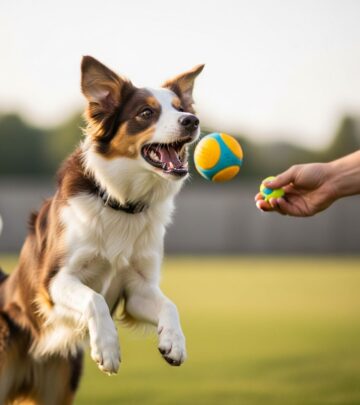
During extremely hot and humid days, outdoor play sessions should be limited to brief 5-10 minute intervals until visible signs of heat fatigue appear, such as heavy panting. This approach allows dogs to engage in necessary exercise and outdoor enrichment while minimizing dangerous heat exposure. Dog owners should establish consistent schedules featuring outdoor time during these safer windows, creating predictable routines that help dogs acclimate to seasonal changes.
Hydration Management and Water Access
Maintaining proper hydration represents a critical component of heat safety, as dogs can become dangerously dehydrated rapidly during warm months. Owners should ensure constant access to fresh, clean drinking water both indoors and during outdoor outings. Portable collapsible bowls allow owners to provide water breaks during walks and outdoor activities.
A practical hydration strategy involves bringing water containers on all outings, regardless of intended duration. Even short walks can result in significant fluid loss through panting, particularly in humid conditions. While swimming in natural water sources like lakes and rivers provides refreshment, it should never substitute for fresh drinking water, as saltwater and untreated freshwater sources can cause additional health complications. Swimming pool water and ocean water pose risks if ingested, so post-swimming rinses remove chlorine or salt residue from the dog’s coat.
Protecting Paw Pads from Ground Heat
The surfaces on which dogs walk during hot weather pose underestimated but serious burn risks. Pavement, asphalt, and sand retain and radiate intense heat far exceeding ambient air temperatures. Research demonstrates that on a 77°F day, asphalt can reach 125°F, with temperatures climbing to 143°F when ambient conditions reach 87°F. These temperatures cause painful burns to unprotected paw pads within minutes.
A practical assessment tool involves the five-second hand test: if an owner cannot comfortably hold their palm on the surface for approximately five seconds, the ground is too hot for dog paws. During peak heat hours, prioritize walking routes through grassy areas with natural shade coverage. When hot weather travel is unavoidable, protective dog booties provide effective insulation against heated ground surfaces. Regular grooming that keeps paws clean and properly maintained also supports natural protective mechanisms.
Skin Protection and Coat Management
Dogs with light-colored or short coats face elevated sunburn risks comparable to human skin damage. Pet-specific sunscreen applications to vulnerable areas including the nose, ears, and belly offer protective benefits. Standard human sunscreen products contain ingredients that prove toxic to dogs, making veterinarian-approved formulations essential.
Regarding coat management, trimming longer hair can improve cooling efficiency by allowing better air circulation across the skin. However, complete shaving is contraindicated, as the multiple layers of a dog’s coat provide essential protection against overheating and solar radiation. The coat functions as an insulating system that prevents excessive heat absorption while maintaining skin integrity. Regular brushing removes loose hair and mats that trap heat against the skin, improving natural temperature regulation.
Creating Cool Resting Zones
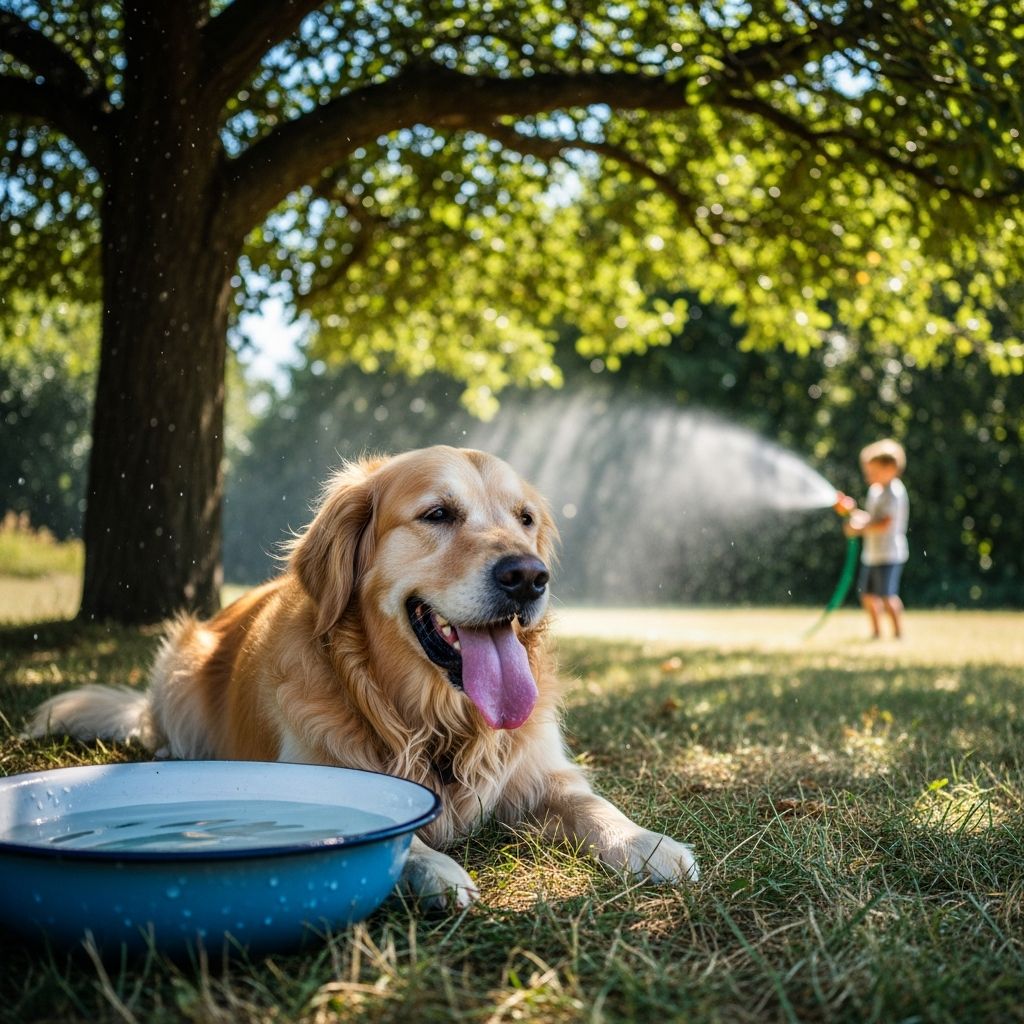
Dogs require accessible shaded areas where they can rest and recover from heat stress during outdoor time. Adequate shade reduces ground-level temperatures and provides psychological comfort associated with perceived safety. In yards or outdoor patios, permanent shade structures or temporary solutions such as umbrellas and canopies create essential cool zones. Indoor spaces with air conditioning or adequate ventilation offer superior climate control for extended rest periods.
Wet towel applications to specific body areas enhance cooling effects significantly. Placing cool, damp towels on the head, neck, chest, and particularly the inner thigh area—where the femoral artery is accessible near the surface—facilitates more efficient heat dissipation. This targeted approach works more effectively than general cooling methods because it concentrates cooling efforts where major blood vessels are proximate to the skin.
Water Safety Considerations
While water activities provide excellent cooling opportunities during hot weather, they present distinct safety hazards for dogs. Not all dogs possess natural swimming ability, and panic in water situations can occur rapidly even with experienced swimmers. Dogs participating in water activities should wear properly-fitted life vests and remain under continuous supervision.
When introducing dogs to water, gradual acclimation protocols prove more effective than sudden immersion. Teaching dogs specific exit points from pools helps them understand safe egress routes. Pool gates should remain closed and covers maintained when not actively supervised to prevent accidental drowning, as dogs can inadvertently fall into water when unsupervised. Beach and water outings require consideration of local regulations, temperature conditions, and access to fresh drinking water distinct from saltwater or chlorinated sources.
Recognizing and Responding to Heat Illness
Despite preventive measures, dog owners must recognize symptoms indicating heat exhaustion or heatstroke progression. Early warning signs include excessive panting, weakness, drooling, vomiting, or blood-tinged stools. Immediate response to these symptoms significantly impacts survival outcomes and long-term health consequences.
Emergency treatment involves moving the dog to a shaded or air-conditioned environment immediately. Cool (not cold) damp towels applied to the head, neck, and chest facilitate gradual temperature reduction. Paws should be soaked in cool water to further dissipate body heat. Small amounts of cool drinking water can be offered if the dog remains conscious and swallowing normally. Veterinary care should be sought immediately, as heat stroke can cause organ damage and life-threatening complications even after initial symptoms resolve.
Vehicle Safety During Summer Travel
Parked vehicles create dangerously heated enclosed spaces unsuitable for any animal confinement. Even with windows partially open, cars in temperatures above 70°F become deadly heat traps within minutes. Dogs cool themselves through panting, but recycled hot air in enclosed vehicles prevents effective heat dissipation, allowing heatstroke to develop rapidly. Pickup truck beds present additional hazards through both physical injury risks and their typically dark surfaces that absorb excessive solar heat.
When summer travel with dogs is necessary, air-conditioned vehicle transport is the only safe option. Frequent breaks allowing water consumption and outdoor movement reduce heat accumulation during longer trips.
Environmental and Behavioral Modifications
Establishing comprehensive summer routines that incorporate consistent activity schedules, hydration checks, and behavioral observation reduces overall heat illness risk. Regular veterinary checkups before summer months provide baseline health assessments and identify dogs with elevated heat sensitivity. These preventive appointments allow veterinarians to address pre-existing conditions complicating heat tolerance.
Window and door safety also warrants attention during hot weather, as open unscreened windows and doors present fall risks when dogs attempt to escape heat-stressed indoor environments or chase outdoor distractions. Secure screens and consistent monitoring of window/door status prevent injury from falls or unauthorized outdoor access.
Special Considerations for Different Dog Types
| Dog Category | Specific Heat Risks | Recommended Precautions |
|---|---|---|
| Brachycephalic breeds (Bulldogs, Pugs) | Compromised respiratory efficiency reduces panting effectiveness | Minimize outdoor time, prioritize indoor cooling, avoid strenuous activity |
| Senior dogs | Reduced thermoregulatory capability, pre-existing health conditions | Shortened activity periods, frequent water access, veterinary monitoring |
| Long-haired breeds | Increased heat retention, potential matting problems | Regular brushing, controlled trimming (not shaving), enhanced cooling measures |
| Dogs with health conditions | Compromised temperature regulation from underlying disease | Pre-summer veterinary assessment, individualized precautions |
Frequently Asked Questions
Q: What temperature is considered dangerous for outdoor dog activity?
A: While specific danger thresholds vary by breed and individual factors, extreme caution should increase whenever temperatures exceed 75-80°F, with significant restrictions at 85°F and above, particularly with humidity.
Q: Can dogs develop heat stroke indoors?
A: Yes, if indoor spaces lack adequate air conditioning or ventilation, heat stroke can develop. Dogs should always have access to cool areas and fresh water regardless of location.
Q: Is it safe to leave dogs outside during hot weather?
A: Dogs should not remain unsupervised outside during peak heat hours. Outdoor time should be minimized during hot periods, with continuous access to shade, water, and monitoring for heat stress symptoms.
Q: What grooming practices support summer heat safety?
A: Regular brushing removes excess coat that traps heat. Trimming is acceptable, but complete shaving removes essential thermal protection. Always maintain adequate coat coverage.
References
- Keep Your Pup Safe This Summer: 10 Essential Safety Tips for Dogs — Morgan Veterinary Practice. https://www.morganveterinarypractice.com/blog/keep-your-pup-safe-this-summer-10-essential-safety-tips-for-dogs
- Summer Heat Safety Tips for Dogs — Cornell University College of Veterinary Medicine, Riney Canine Health Center. https://www.vet.cornell.edu/departments-centers-and-institutes/riney-canine-health-center/canine-health-topics/summer-heat-safety-tips-dogs
- The Ultimate Dog Safety Guide for Summer — Lemonade Insurance. https://www.lemonade.com/pet/explained/the-ultimate-dog-safety-guide-for-summer/
- Summer Safety Tips for Pets and Their People — Best Friends Animal Society. https://bestfriends.org/pet-care-resources/summer-safety-tips-pets-and-their-people
- Prevent Pet Heatstroke: Essential Summer Care Guide for Pet Owners — Founders Green. https://www.foundersgreen.com/protecting-your-pet-from-heatstroke-summer-safety-tips/
- Hot Weather Safety Tips — American Society for the Prevention of Cruelty to Animals (ASPCA). https://www.aspca.org/pet-care/general-pet-care/hot-weather-safety-tips
- Heat Safety Tips For Pets — Arizona Humane Society. https://www.azhumane.org/heat-safety-tips-for-pets/
- Hot Weather Safety Tips for Dogs: How to Keep Your Pup Safe — Guide Dogs. https://www.guidedogs.com/blog/hot-weather-safety-tips
- Summer Safety Tips: How to Keep Your Dog Cool — Humane Colorado. https://humanecolorado.org/news/summer-safety-tips-for-your-dog/
Similar Articles








Read full bio of Sneha Tete