

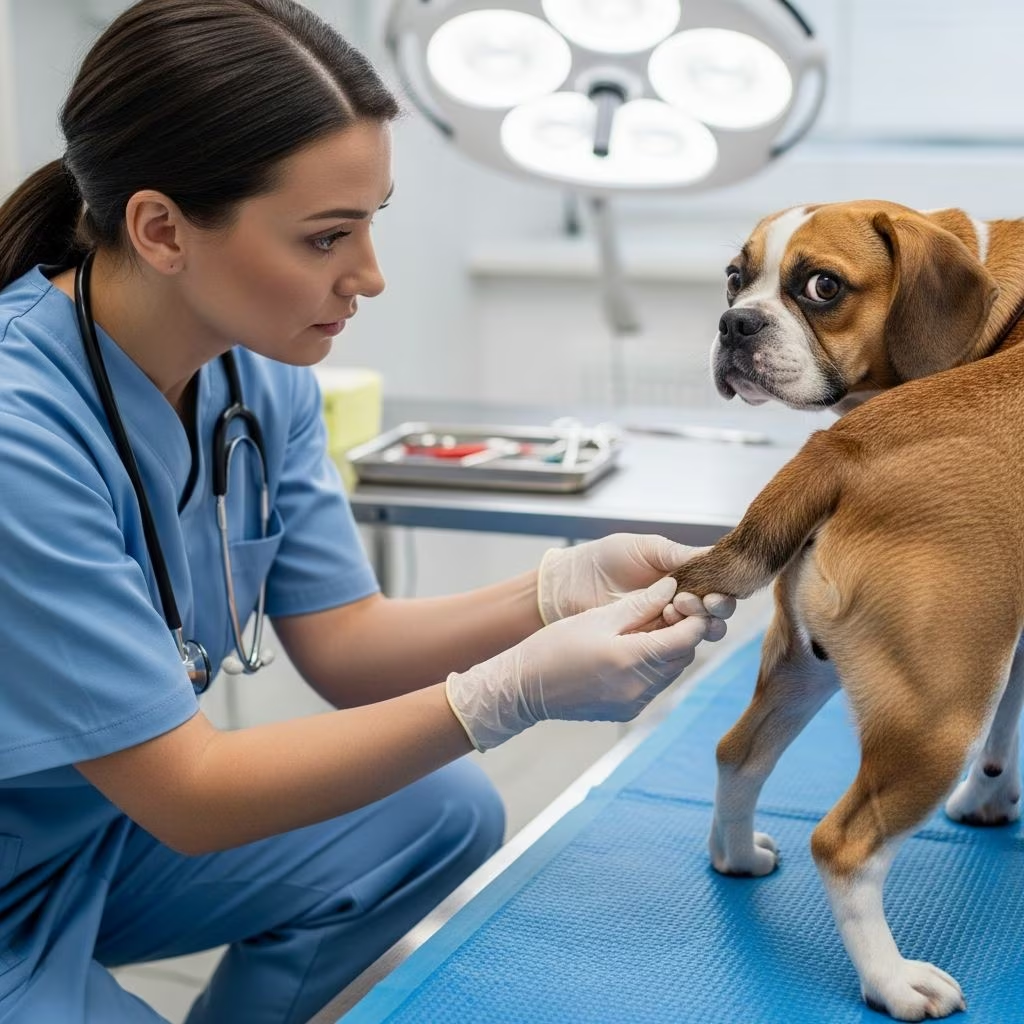
Dog scooting, where your canine companion drags their rear end across the floor or ground, is a common behavior that often indicates discomfort in the anal area. While it may look humorous, scooting is typically a sign that something is irritating your dog’s hindquarters, ranging from minor issues like stuck debris to serious conditions like infected anal glands or parasites. Understanding the root cause is crucial for providing relief and preventing complications. This comprehensive guide covers the primary reasons for dog scooting, symptoms to watch for, diagnostic steps, treatment options, and preventive measures, drawing from veterinary insights to help you support your pet’s health.
What Is Dog Scooting and Why Do Dogs Do It?
Scooting occurs when a dog positions their hind legs outward and pulls their butt along carpets, grass, or furniture in a dragging motion. This instinctive action aims to relieve pressure, itching, or pain around the anus or rectum. Small sacs called anal glands, located at the 4 and 8 o’clock positions around the anus, naturally express a pungent fluid during bowel movements to mark territory. When these glands fail to empty properly, they become full or impacted, prompting scooting as a self-relief mechanism. Other triggers include parasites, allergies, infections, or gastrointestinal issues. Occasional scooting might resolve on its own, but persistent behavior warrants attention to avoid secondary problems like skin abrasions or infections.
Common Causes of Dog Scooting
Several factors can lead to this uncomfortable behavior. Identifying the cause through observation and veterinary evaluation is the first step toward resolution.
1. Anal Gland Problems (Most Common Cause)
Anal gland issues top the list, affecting up to 95% of scooting cases in dogs. These glands can become full, impacted, infected, or abscessed if not expressed naturally during defecation. Small breeds like Chihuahuas, Dachshunds, and Poodles are particularly prone due to softer stools or anatomical factors that hinder natural expression. Symptoms include a fishy odor, swelling under the tail, excessive licking or biting at the rear, and difficulty defecating. Untreated impactions can lead to painful abscesses requiring drainage.
2. Parasites, Especially Tapeworms
Intestinal parasites like tapeworms cause anal itching as segments (resembling rice grains) emerge from the anus or appear in stool. Dogs scoot to dislodge these irritants. Other worms such as roundworms or hookworms may contribute indirectly through diarrhea or poor nutrition. Regular fecal exams are essential, as parasites can spread to humans (zoonotic risk) and compromise your dog’s overall health.
3. Allergies and Skin Irritations
Food allergies, environmental allergens (pollen, dust), or contact irritants lead to itchy skin around the anus. Dogs with atopic dermatitis or flea allergy dermatitis may scoot excessively. Fecal contamination in long-haired breeds exacerbates bacterial or yeast overgrowth. Seasonal allergies often worsen in spring or fall.
4. Gastrointestinal Issues: Constipation and Diarrhea
Constipation causes straining, which irritates the anal area and prevents gland expression, while diarrhea leads to poor wiping and contamination. Hard stools or loose ones fail to pressure the glands adequately. Monitor stool quality; persistent changes signal deeper issues like dietary intolerances or obstructions.
5. Infections and Other Issues
Bacterial, fungal, or yeast infections thrive in moist anal folds, especially post-diarrhea. Rarely, tumors, rectal polyps, or foreign objects like grass awns cause scooting. Adrenal disorders like Cushing’s syndrome (excess cortisol leading to thin skin and itching) or Addison’s disease (hormone deficiency) can mimic these symptoms.
Signs Your Dog Has Anal Gland or Other Issues
- Fishy or foul odor emanating from the rear, even from a distance.
- Excessive licking, chewing, or biting at the tail base or hindquarters.
- Visible swelling, redness, or discharge (yellow, bloody, or pus-like) around the anus.
- Pain when sitting, defecating, or allowing touch near the rear; yelping or tensing.
- Rice-like segments in stool or fur, indicating tapeworms.
- Behavioral changes: restlessness, irritability, hiding, or reduced appetite.
- Skin changes: thinning, hair loss, or hot spots near the tail.
These signs often accompany scooting. A single episode might be benign, but clusters demand prompt vet evaluation.
When to Worry: Red Flags for Scooting
Not all scooting requires immediate action, but certain indicators signal urgency:
- Scooting multiple times daily or worsening over days.
- Blood, pus, or significant swelling.
- Lethargy, vomiting, weight loss, or appetite changes (possible systemic illness).
- Abscess rupture (sudden bloody discharge with pain).
Puppies, seniors, or dogs with chronic conditions face higher risks. Delaying care can lead to chronic impactions, fistulas, or sepsis.
How Vets Diagnose Dog Scooting
Veterinarians start with a history review (diet, stool habits, recent changes) and physical exam, including digital rectal palpation to assess glands. Diagnostics may include:
- Fecal flotation for parasites.
- Cytology/swabs for infections or allergies.
- Bloodwork for adrenal disorders or systemic issues.
- Imaging (ultrasound/X-ray) for tumors or abscesses.
In-house tests allow quick results at clinics like Sploot Vets.
Treatment Options for Dog Scooting
Treatment targets the underlying cause for lasting relief.
Anal Gland Treatments
- Manual expression: Vet squeezes glands externally or internally; repeat every 4-6 weeks if chronic.
- Antibiotics/anti-inflammatories for infections; flushing for abscesses.
- Stool softeners/fiber additives (pumpkin, psyllium) to promote natural expression.
Parasite Treatments
Dewormers like praziquantel for tapeworms; broad-spectrum for others. Repeat dosing and environmental cleaning prevent reinfestation.
Allergy and Skin Issue Management
- Hypoallergenic diets or elimination trials.
- Medicated shampoos, topical steroids, or Apoquel for itch relief.
- Flea preventives year-round.
Home Remedies (Use with Vet Guidance)
- Warm compresses (10 mins, 2-3x/day) for mild swelling.
- Epsom salt soaks for hygiene.
- Probiotic supplements for gut health.
- High-fiber diet tweaks: Add canned pumpkin (1-2 tsp/10lbs body weight).
Avoid DIY gland expression unless trained, as it risks injury.
Prevention Tips to Stop Dog Scooting
Proactive care minimizes recurrence:
- Diet optimization: High-fiber, balanced kibble; avoid allergens.
- Regular exercise: Promotes firm stools for natural expression.
- Parasite preventives: Monthly meds covering heartworm, fleas, ticks.
- Grooming: Trim sanitary area; bathe with hypoallergenic shampoo.
- Routine vet checkups: Annual fecal/glan checks, especially for small breeds.
Fiber supplements like Metamucil can help chronic cases.
FAQs
Is dog scooting always anal glands?
No, while most common (80-90%), parasites, allergies, or GI issues cause 10-20% of cases. Vet diagnosis clarifies.
Can I express my dog’s anal glands at home?
Not recommended for beginners; improper technique causes pain or infection. Learn from a vet or groomer.
How much does anal gland expression cost?
$20-50 per session; packages for chronic cases save money.
Will scooting stop after treatment?
Usually within 24-48 hours for glands/parasites; allergies may need ongoing management.
Are certain breeds more prone?
Yes, small breeds (e.g., Beagles, Bulldogs) due to gland anatomy.
Conclusion: Act Promptly for Your Dog’s Comfort
Dog scooting is rarely normal and often signals treatable issues. Early intervention prevents pain and complications. Consult your vet for tailored advice—your furry friend will thank you with tail wags, not drags.
References
- Why Is My Dog Scooting? Common Causes, Anal Gland Issues — Scenthound. 2023. https://www.scenthound.com/dogblog/why-is-my-dog-scooting-on-the-ground-causes-and-solutions
- Home Remedies for Dog Scooting — Vetnique Labs. 2024. https://vetnique.com/blogs/news/home-remedies-for-dog-scooting
- Dog Scooting (Dragging) Butt on Floor: 7+ Reasons & Remedies — Sploot Vets. 2024. https://www.splootvets.com/post/dog-scooting-butt
- Why is My Dog Scooting Their Butt — VO Vets. 2023. https://vovets.com/blog/why-is-my-dog-scooting-their-butt/
- Why Does My Dog Scoot? — Compassion Animal Hospital. 2023. https://compassionanimalhospital.com/why-does-my-dog-scoot/
- Why Your Dog Is Dragging Their Butt and Scooting — Express Vet. 2024. https://www.expressvetscumming.com/blog/why-your-dog-is-dragging-their-butt-and-scooting



