

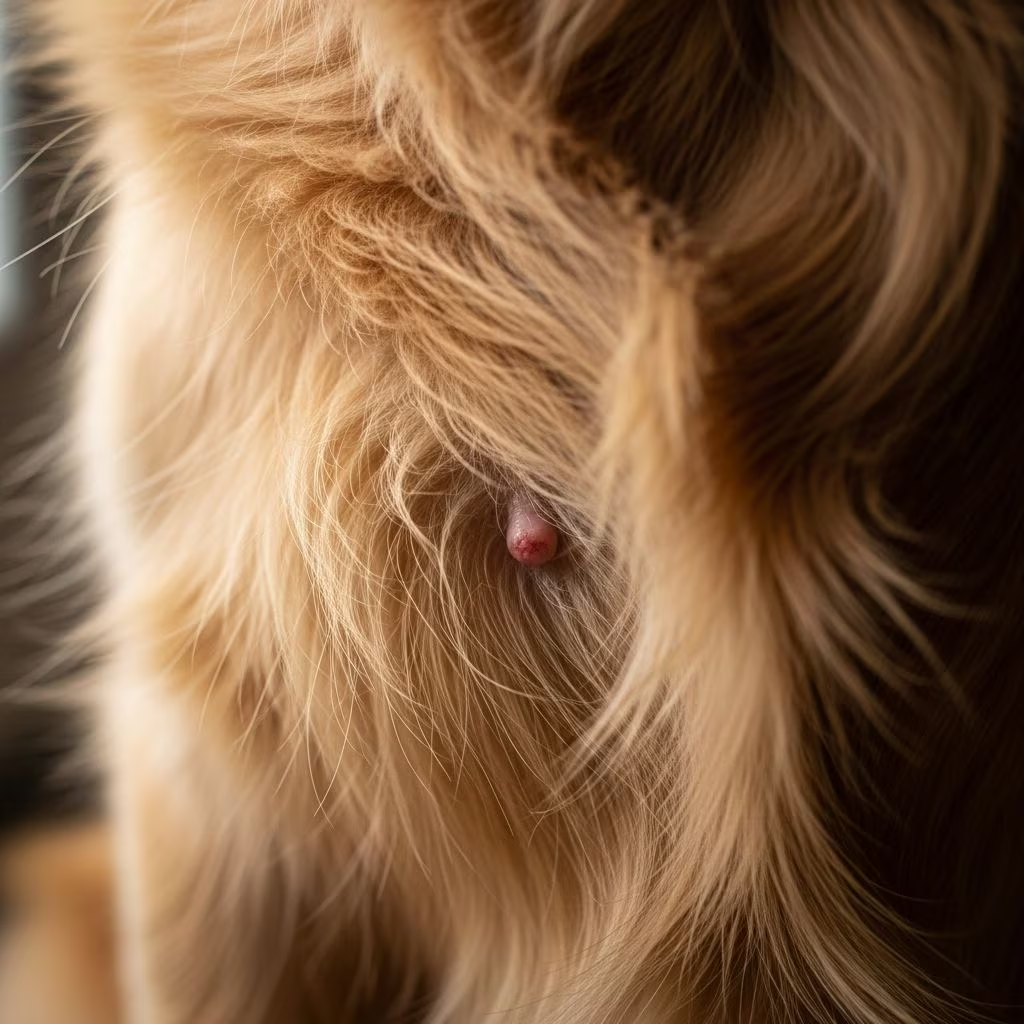
Skin tags on dogs are common, benign skin growths that appear as small, soft, fleshy protrusions attached by a thin stalk. Often harmless, they frequently develop in areas of friction like the neck, chest, or armpits, particularly in older or larger breeds. While usually not requiring intervention, monitoring for changes and consulting a vet ensures they aren’t mimicking more serious conditions.
What Are Skin Tags on Dogs?
Skin tags, also known as acrochordons or fibroepithelial polyps, are non-cancerous growths of excess skin that hang from a narrow peduncle or stalk. They can vary in size from a few millimeters to several centimeters and may appear singly or in clusters. The surface often matches the surrounding skin but can be darker, wrinkled, or warty.
These growths are prevalent in dogs, especially seniors and breeds with loose skin such as Bulldogs, Shar Peis, or large deep-chested dogs. Unlike warts or tumors, skin tags pose no health risk unless irritated.
Causes of Skin Tags in Dogs
Skin tags arise from multiple factors, primarily chronic irritation and biological predispositions. Understanding these helps in prevention and management.
Friction and Irritation
The most common cause is repeated friction in pressure points. Areas like the chest (sternum), elbows, knees, neck (from collars), armpits, eyelids, and skin folds rub against each other or surfaces, prompting overgrowth. Dogs sleeping on hard floors or with tight collars exacerbate this.
Genetics and Breed Predisposition
Certain breeds, particularly large and giant ones like Mastiffs or Great Danes, are genetically prone due to looser skin. Short-haired, heavy-chested dogs often develop clusters on the chest.
Age-Related Changes
Older dogs are more susceptible as skin loses elasticity, making it prone to tags. Senior pets may develop multiple growths over time.
Viral Infections
Rarely, papilloma virus causes skin tags alongside warts. This self-limiting virus resolves with removal or antiviral meds if widespread.
Other Factors
- Allergies: Flea, food, or environmental allergies lead to scratching, fostering tags.
- Hormonal Imbalances: Hypothyroidism or Cushing’s disease alters skin texture.
- Repetitive Trauma: Harness rubbing or lying on concrete.
Symptoms and Identification
Skin tags are easy to spot but must be differentiated from ticks, warts, or tumors. Key characteristics include:
- Soft, fleshy, pedunculated (stalked) growths, 2mm to 5cm long.
- Locations: face, head, neck, eyelids, chest, armpits, elbows.
- Skin-like color, possibly darker or warty; painless unless twisted.
- Clusters on chest in large breeds.
When to Worry: Monitor for changes signaling issues. Seek vet if:
| Warning Sign | Possible Issue |
|---|---|
| Growth in size, darkening, thickening | Malignancy, irritation, cancer |
| Redness, swelling, warmth, pus, odor, bleeding | Infection, trauma |
| Dog scratching/licking excessively | Discomfort, abscess risk |
| Ulceration, rapid changes | Non-benign growth |
Black, blood-filled bumps may indicate damage. Vets diagnose via appearance, history, breed; biopsy confirms by removing the tag.
Are Skin Tags Dangerous for Dogs?
Typically benign and cosmetic, skin tags rarely cause issues. No underlying illness links them. Risks arise from:
- Irritation near mouth/eyes causing discomfort.
- Infection from licking/scratching.
- Cosmetic concerns or snagging on objects.
They differ from malignant tumors; vet evaluation rules out lipomas, mast cell tumors, or melanomas.
Treatment Options for Dog Skin Tags
Most require no treatment—’benign neglect’ suffices if asymptomatic. Intervene if problematic.
Conservative Management
- Prevent irritation: Use padded collars, soft bedding.
- Clean gently if dirty; avoid home removal.
- Antibiotics/topicals for infection.
Removal Methods
Vet-performed only; never DIY to avoid bleeding/infection.
| Method | Description | Anesthesia |
|---|---|---|
| Surgical Excision | Cut with scalpel/laser; gold standard cure. | Local/general |
| Cryotherapy | Freeze with liquid nitrogen; falls off. | Local/none |
| Electrocautery | Burn with electrical heat. | Local |
Post-care: E-collar, monitor healing. First tag often biopsied; multiples may not need. Antivirals if viral.
Prevention Tips
Minimize risks:
- Proper Collars/Harnesses: Fit loosely, padded; rotate sides.
- Soft Bedding: Orthopedic beds prevent pressure sores.
- Skin Health: Flea control, allergy management, regular grooming.
- Routine Checks: Weekly skin exams; note changes early.
- Diet/Supplements: Omega-3s for skin elasticity (vet-approved).
- Weight Control: Reduces fold friction in obese dogs.
Annual vet exams catch issues early.
When to See a Vet
Consult immediately for new growths, changes, or discomfort. Vets assess via exam; biopsy if suspicious. Better safe—early detection saves lives.
Frequently Asked Questions (FAQs)
Are skin tags on dogs cancerous?
No, they are benign. Changes warrant vet check to rule out malignancy.
Do skin tags hurt dogs?
Usually not, unless irritated/infected. Watch for scratching.
Can I remove skin tags at home?
No—risks bleeding, infection. Vet removal only.
Why do older dogs get more skin tags?
Skin loses elasticity; cumulative friction.
How much does skin tag removal cost?
Varies; $50–$300+ depending on method/size/location. Consult vet.
Are certain breeds more prone?
Yes, large breeds like Bulldogs, Mastiffs.
References
- Skin Tags on Dogs: How to Identify & Treat Them — Purina. 2023. https://www.purina.com/articles/dog/health/skin-fur-ears/skin-tags-on-dogs
- Skin Tags on Dogs: Identification, Causes & Treatments — Modern Vet GA. 2024. https://modernvetga.com/skin-tags-on-dogs-identification-causes-treatments/
- Skin Tags on Dogs — PetMD. 2023-05-01. https://www.petmd.com/dog/conditions/skin/skin-tags-dogs
- Skin Tags in Dogs – Causes, Treatment — Vetster. 2024. https://vetster.com/en/conditions/dog/skin-tags
- Skin Tags (Acrochordon or Fibroepithelial Polyps) in Dogs — PetPlace. 2023. https://www.petplace.com/article/dogs/diseases-conditions-of-dogs/skin-tags-acrochordon-fibroepithelial-polyps-dogs
- Why Does My Dog Have Skin Tags? — Cheyenne Pets. 2024. https://cheyennepets.com/blog/why-does-my-dog-have-skin-tags/



