

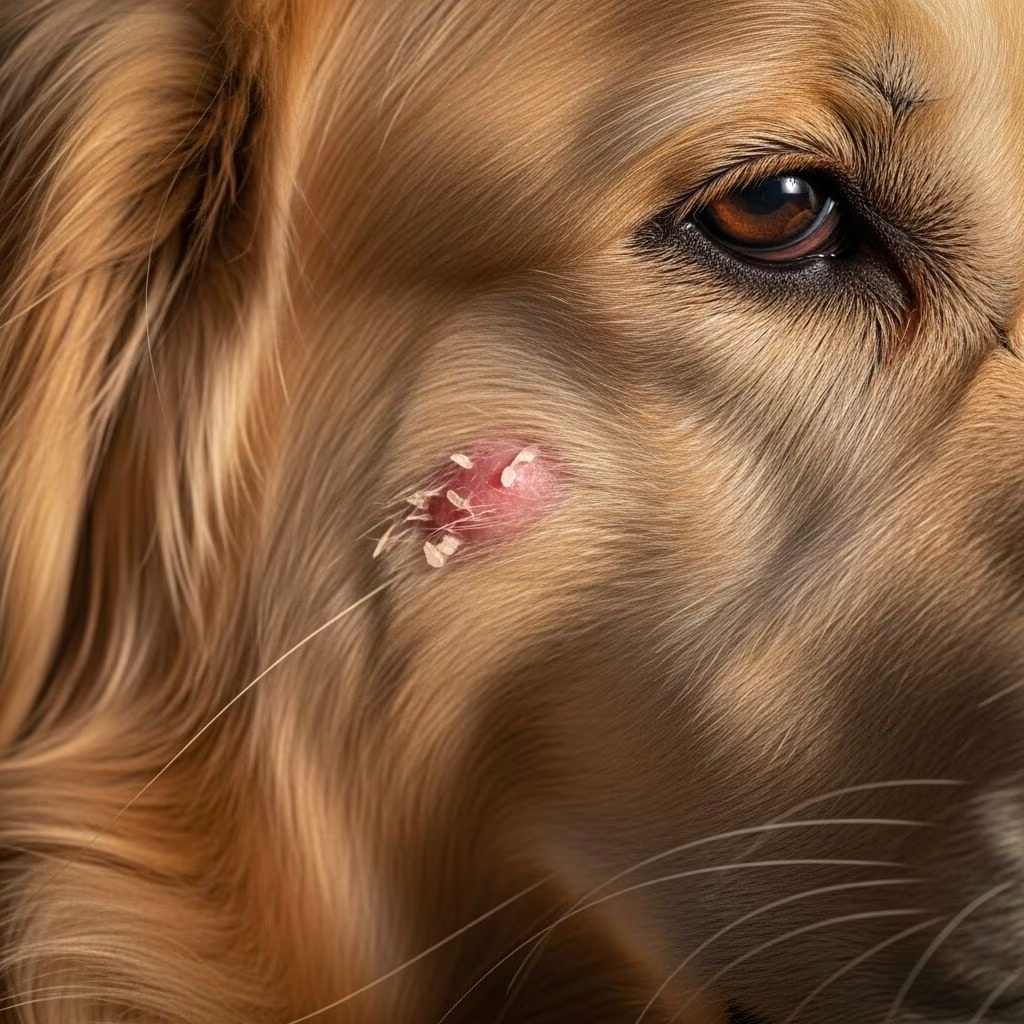
A little scratching is normal for dogs, but persistent itching, redness, or unusual licking signals underlying skin issues or allergies affecting millions of pets. These conditions cause discomfort and require prompt identification for effective management.
Common Signs of Dog Skin Problems
Dogs can’t verbalize discomfort, so watch for these key indicators of skin trouble: excessive scratching (especially paws, belly, ears), licking or chewing feet, rubbing against furniture, hair loss revealing red or darkened skin, foul odors from infections, flaky or greasy coat, and recurrent ear or skin infections. Early detection prevents secondary complications like bacterial overgrowth.
- Scratching hotspots: Paws, armpits, groin, base of tail
- Visual cues: Redness, bumps, scabs, thickened skin
- Behavioral changes: Restlessness at night, anxiety from constant itch
Types of Dog Skin Allergies and Conditions
Dog skin issues stem from allergies, infections, parasites, or immune disorders. Here’s a breakdown of the most prevalent types.
Allergic Dermatitis (Flea, Food, Contact, Environmental)
The leading cause of itchy skin, allergic dermatitis triggers intense reactions. Flea allergy dermatitis (FAD) affects even flea-bitten dogs due to saliva hypersensitivity, causing hot spots and hair loss at the tail base. Food allergies manifest year-round with ear infections and paw licking, often to proteins like beef or chicken. Environmental allergens (pollen, dust mites, molds) peak seasonally, worsened by climate change extending pollen seasons. Contact allergies from grass or shampoos irritate underbelly or paws.
Atopic Dermatitis (Canine Atopic Dermatitis or cAD)
A genetic predisposition makes certain breeds twice as likely to develop cAD, a chronic eczema-like condition. French Bulldogs (71% carry SLAMF1 gene variant) and Boxers (40%) face elevated risk per Mars Petcare Biobank study analyzing 1.2 million dogs’ DNA. Symptoms include relentless itching behind elbows, face rubbing, foot chewing, leading to infections and darkened skin. No cure exists; management targets flares via allergen avoidance and meds.
Parasitic Infestations (Fleas, Mites, Ticks)
Fleas top the list, with one bite sparking FAD in sensitive dogs. Sarcoptic mange (scabies) from mites causes crusty, intense itching, highly contagious. Demodectic mange involves skin mites proliferating in immunocompromised pups, creating bald patches. Regular preventives are essential.
Infections (Bacterial Pyoderma, Yeast Dermatitis)
Secondary to allergies or moisture, bacterial infections yield pustules, oozing crusts, foul smell. Yeast (Malassezia) overgrowth on paws/ears produces greasy, elephant-skin texture, musty odor. Both resolve with targeted antibiotics/antifungals after cytology.
Other Conditions: Dry Skin, Hot Spots, Autoimmune Diseases
Environmental dryness or overbathing strips oils, causing flakes. Acute moist dermatitis (hot spots) from self-trauma spreads rapidly. Autoimmune disorders like pemphigus attack skin, forming blisters needing immunosuppressants.
Causes and Risk Factors
Genetics play a starring role: brachycephalic breeds like Frenchies inherit barrier defects allowing allergen penetration. Weakened skin microbiome from excessive hygiene disrupts balance, per hygiene hypothesis. Diet imbalances, poor grooming, obesity, and endocrine issues (hypothyroidism) exacerbate problems. Puppies show signs by 1-3 years; adults develop from cumulative exposures.
| Breed | cAD Risk Factor | SLAMF1 Variant Prevalence |
|---|---|---|
| French Bulldog | 2x higher | 71% |
| Boxer | 2x higher | 40% |
| Other predisposed | Moderate | Variable |
Table: Genetic risks for atopic dermatitis
Diagnosis: Veterinary Steps
Self-diagnosis risks missing parasites or tumors. Vets perform skin scrapes, cytology, fungal cultures, allergy tests (intradermal or blood), elimination diets (8-12 weeks hypoallergenic food), and biopsies for chronic cases. Rule out hormonal imbalances via bloodwork.
Treatment Options
Tailor treatments to cause; combine for best results.
Medications
- Antihistamines: Benadryl (1mg/lb every 8-12hrs) for mild itch
- Apoquel/Cytopoint: Fast itch relief without steroids
- Steroids: Short-term for flares
- Antibiotics/Antifungals: 3-6 weeks for infections
Topical Therapies
Medicated shampoos (chlorhexidine, miconazole), sprays, wipes control bacteria/yeast. Humectants like oatmeal soothe dry skin.
Immunotherapy
Allergy shots/desensitization (60-80% success) for environmental allergens after testing.
Dietary Management
Hydrolyzed protein diets identify food allergies. Omega-3 fatty acids reduce inflammation.
Home Remedies and Prevention
Support vet care with safe at-home strategies.
- Bathing: Weekly oatmeal or medicated baths (cool water, no blow-dry)
- Moisturizers: Coconut oil, aloe vera sparingly
- Flea control: Monthly topicals/orals year-round
- Diet tweaks: Add fish oil (20mg EPA/kg daily)
- Environment: Wipe paws post-walks, wash bedding weekly, air purifiers for pollen
- Probiotics: Emerging for barrier support, though LGG shows mixed cAD prevention
Avoid overbathing; moderate exposure builds immunity.
When to See a Vet Urgently
Seek immediate care for spreading hot spots, lethargy, fever, non-healing wounds, or facial swelling. Chronic itch (>2 weeks) warrants dermatology referral.
Preventing Skin Issues in Puppies
Fortify skin barrier early: Probiotics during pregnancy/early life may modulate immunity. Balanced puppy diets, parasite preventives, and avoiding harsh cleaners reduce risk.
Frequently Asked Questions (FAQs)
Can food cause my dog’s itchy skin?
Yes, proteins like beef, dairy, wheat trigger 10-20% of allergies. Elimination trials confirm.
Is atopic dermatitis curable?
No, but manageable with 70-90% symptom control via multimodality therapy.
Why do French Bulldogs get more skin issues?
SLAMF1 gene variant impairs immunity; skin folds trap moisture.
Can I use human creams on my dog?
No—many are toxic if licked. Vet-approved only.
How effective are natural remedies?
Helpful adjuncts (e.g., fatty acids reduce itch 30-50%) but not substitutes for meds.
References
- These Dogs Are Twice as Likely to Develop Chronic Skin Conditions, New Study Says — Kinship (Mars Petcare). 2023. https://www.kinship.com/news/new-study-atopic-dermatitis-ezcema-french-bulldogs-boxers
- Dog Skin Conditions: Signs and Symptoms — Kinship. 2024. https://www.kinship.com/dog-health/dog-skin-conditions
- Dog Seasonal Allergies — Kinship. 2024. https://www.kinship.com/dog-health/dog-seasonal-allergies
- Primary Prevention of Canine Atopic Dermatitis: Breaking the Cycle — PMC (National Library of Medicine). 2023-11-14. https://pmc.ncbi.nlm.nih.gov/articles/PMC10674681/



