

Want to ace everyday pet wellness? Get tips on vet checks, vaccine schedules, preventative care, DIY remedies, and more to keep your dog healthy and happy throughout their life.
Why Routine Care Matters for Your Dog
Routine care forms the foundation of your dog’s health and happiness. Establishing consistent daily routines supports every aspect of their wellbeing, from house training to grooming and preventing behavioral issues. According to the American Kennel Club, structured schedules create security and predictability, boosting canine confidence and reducing anxiety. Regular exercise, feeding, potty breaks, mental stimulation, and bonding time help dogs thrive physically and mentally. Neglecting these can lead to obesity, anxiety, or health problems, while proactive care extends lifespan and improves quality of life.
Dogs, like humans, benefit from predictability. A daily routine minimizes stress, aids digestion, regulates energy, and promotes better sleep. For puppies, it’s essential for housetraining; for adults, it maintains fitness; for seniors, it supports mobility. Tailor routines to breed, age, size, and health needs—high-energy breeds like Border Collies require more exercise, while brachycephalic breeds need gentler activities.
Building a Daily Routine Schedule
A well-structured daily routine ensures balanced nutrition, exercise, rest, and play. Here’s a sample schedule adaptable to most dogs:
| Time | Activity |
|---|---|
| 6:30 AM | Wake-up and potty break |
| 6:45 AM | Breakfast |
| 7:30 AM | Morning walk or playtime (20-30 minutes) |
| 9:00 AM | Rest or quiet time |
| 12:00 PM | Lunch (if applicable) and potty break |
| 12:30 PM | Light indoor activity (puzzle toys, training) |
| 3:00 PM | Quick potty break and short walk |
| 6:00 PM | Dinner |
| 7:00 PM | Evening walk or playtime (30 minutes) |
| 8:00 PM | Wind down (grooming, cuddles) |
| 10:00 PM | Bedtime and final potty |
Adjust based on your dog’s needs. Puppies may need more frequent potty breaks (every 1-2 hours), while adults suffice with 4-6 daily. Always allow 30-60 minutes between meals and exercise to prevent bloat (GDV), especially in large breeds. Consistency builds habits—use cues like “go potty” and reward with treats.
Veterinary Check-Ups and Vaccinations
Regular vet visits are cornerstone of preventive care. Schedule annual wellness exams for adults and bi-annual for puppies and seniors. These check-ups monitor weight, dental health, heart function, and detect issues early. Puppies need exams every 3-4 weeks until 16 weeks, then yearly.
Core Vaccinations:
- Core vaccines: Distemper, adenovirus (hepatitis), parvovirus (DHP), rabies (legally required in most areas).
- Non-core (lifestyle-based): Bordetella (kennel cough), leptospirosis, Lyme disease, canine influenza.
Vaccination schedules: Puppies get first shots at 6-8 weeks, boosters every 3-4 weeks until 16 weeks, then annually or every 3 years based on titer tests and vet advice. Seniors may need adjusted protocols. Keep records updated—services like Kinship Premium offer digital storage and reminders. Discuss flea/tick/heartworm preventives during visits; these year-round meds protect against deadly parasites.
Grooming and Hygiene Essentials
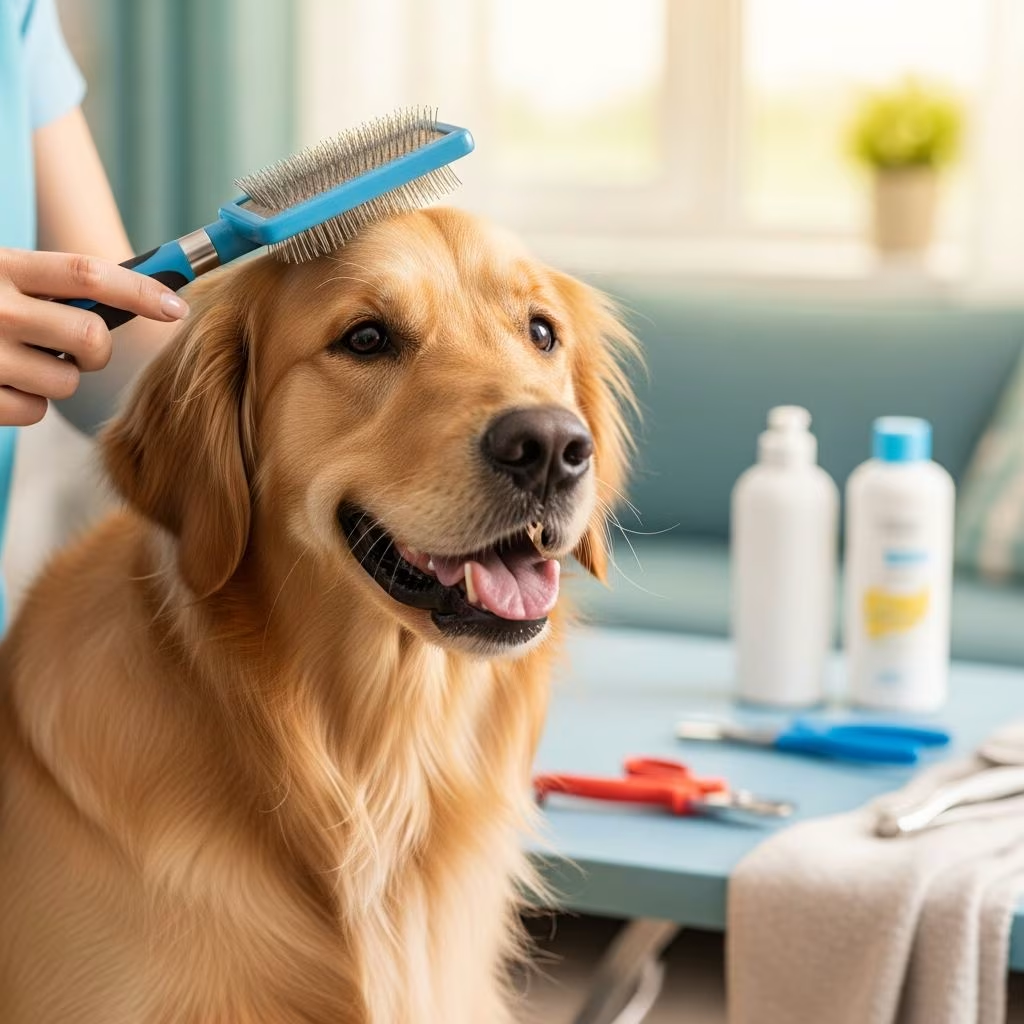
Regular grooming prevents skin issues, mats, and infections. Frequency depends on coat type: short-haired weekly brushing, long-haired daily.
- Brushing: Removes dead hair, distributes oils. Use slicker brushes for long coats, rubber for short.
- Bathing: Every 4-6 weeks with dog-specific shampoo. Overbathing strips oils—use oatmeal or medicated for allergies.
- Nail Trimming: Every 3-4 weeks; dull nails cause pain. Grind or clip carefully to avoid quick.
- Ear Cleaning: Weekly with vet-approved solution for floppy-eared breeds to prevent infections.
- Anal Glands: Check monthly; vet expression if scooting.
DIY tip: Paw soaks in Epsom salt for cracks. Always positive reinforcement—grooming time builds trust.
Nutrition and Feeding Guidelines
Quality diet fuels health. Feed age-appropriate, AAFCO-approved food: puppy for growth, adult maintenance, senior joint/senior formulas.
- Puppies: 3-4 meals/day until 6 months, then 2.
- Adults: 2 meals/day; measure portions to prevent obesity (use body condition score).
- Seniors: Smaller, frequent meals for digestion.
Avoid table scraps (20% max treats). Fresh water always. Transition foods gradually over 7 days. Consult vet for allergies or weight issues.
Exercise and Fitness Routines
All dogs need daily exercise for weight control, heart health, muscle strength, and mental wellbeing. Minimum 30-60 minutes/day, split sessions.
- Walking: Build from 10 to 30 minutes; brisk pace post warm-up.
- Play: Fetch, tug for high-energy dogs.
- Mental Stimulation: Puzzle toys, training, sniffing games reduce anxiety.
- Stretching: Treat stretches for spine flexibility—lure with treats to bow or side-stretch.
Pre-exercise vet check for seniors/arthritic dogs. Increase gradually to avoid injury. Fitness reduces reactivity and aids aging gracefully.
Dental Health Care
80% of dogs have dental disease by age 3. Daily brushing with enzymatic toothpaste, dental chews, or water additives prevent tartar. Annual vet cleanings under anesthesia for severe cases. Signs: bad breath, loose teeth—address early to avoid heart/kidney issues.
Preventive Care and Parasite Control
Year-round preventives: Heartworm (mosquito-borne), fleas/ticks (Lyme), intestinal worms. Monthly oral/topical meds per vet. Fecal tests biannually. Spay/neuter by 6-9 months reduces cancer risks.
Senior Dog Adjustments
For dogs 7+ (large breeds earlier), soften routines: shorter walks, joint supplements (glucosamine), senior food. Monitor arthritis, cognition—ramp access, orthopedic beds.
DIY Home Remedies and Tips
- Upset Stomach: Boiled rice/chicken bland diet 24 hours.
- Itchy Skin: Oatmeal baths, coconut oil moisturizer.
- Paw Balm: Shea butter/beeswax mix for dry pads.
Always vet-confirm before remedies.
Frequently Asked Questions (FAQs)
Q: How often should I take my dog to the vet?
A: Puppies/seniors every 6 months; adults annually for wellness checks and vaccines.
Q: What’s the best daily exercise for my dog?
A: 30-60 minutes of walks, play, and mental games tailored to age and breed.
Q: How do I start housetraining a puppy?
A: Frequent potty breaks on schedule, crate training, positive reinforcement—no punishment.
Q: When should I switch to senior food?
A: Around 7 years for small breeds, 5 for large; consult vet.
Q: How to maintain my dog’s nails?
A: Trim every 3-4 weeks or when clicking on floors; use grinder if anxious.
References
- Importance of a Daily Dog Routine & What it Should Look Like — Adopt-a-Pet Blog. 2023. https://www.adoptapet.com/blog/behavior-training/daily-routine-for-a-dog
- 24/7 vet advice from ManyPets + Kinship Premium — ManyPets. 2023. https://manypets.com/us/blog/manypets-the-kin/
- Does Your Dog Need an Exercise Routine? — Kinship. 2023. https://www.kinship.com/dog-health/dog-fitness-routine
- Dog Health – Routine Care — Kinship. 2023. https://www.kinship.com/dog-health



