

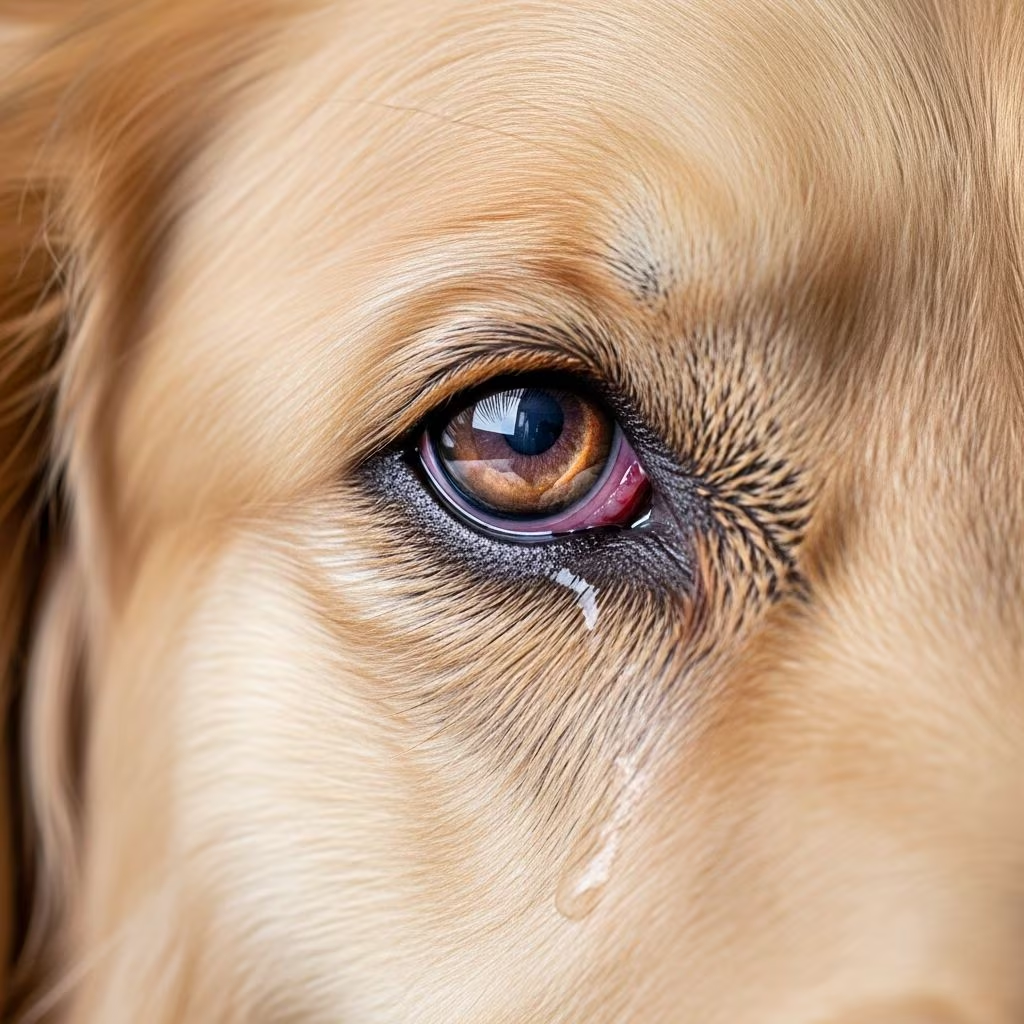
Conjunctivitis, commonly known as **pink eye** in dogs, is a frequent eye condition characterized by inflammation of the conjunctiva—the thin, transparent membrane covering the white part of the eye and inner eyelids. This condition leads to redness, swelling, and discharge, causing discomfort for affected dogs. While often treatable, prompt veterinary attention is essential to identify the underlying cause and prevent complications like corneal ulcers or vision loss.
Dogs of all ages and breeds can develop pink eye, though certain breeds with eyelid abnormalities (e.g., Collies with nodular episcleritis or breeds prone to entropion/ectropion) are at higher risk. It can affect one or both eyes and may be primary or secondary to other issues like dry eye or respiratory infections. Early intervention typically results in full recovery within days to weeks, depending on the cause.
What Is Pink Eye in Dogs?
Pink eye refers to **conjunctivitis**, an inflammation of the conjunctiva that gives the eye a pink or red appearance due to dilated blood vessels. In dogs, this is not always a standalone infection but often stems from irritants, allergies, or underlying diseases. Unlike in humans where bacterial spread is common, canine conjunctivitis is rarely purely infectious and more frequently linked to non-infectious triggers.
The conjunctiva protects the eye by producing mucus and tears while acting as a barrier against pathogens. When inflamed, it swells, produces excess discharge (clear, mucoid, or purulent), and may cause squinting or pawing at the eye. Severe cases can progress to involve the cornea, leading to ulcers visible under fluorescein staining.
Symptoms of Pink Eye in Dogs
Recognizing symptoms early is crucial for timely treatment. Common signs include:
- Redness and swelling: The whites of the eyes (sclera) appear pink or red; eyelids may swell.
- Discharge: Watery, mucous, or pus-like from one or both eyes; may crust overnight.
- Squinting or blinking: Photophobia (light sensitivity) and blepharospasm (involuntary eyelid closure).
- Pawing or rubbing: Dogs often scratch at the affected eye, worsening irritation.
- Cloudy cornea or third eyelid protrusion: In advanced cases.
Symptoms can be unilateral (one eye) or bilateral and may worsen rapidly if infectious. Differentiate from dry eye (KCS), where tear production is deficient, leading to sticky discharge without initial redness.
Causes of Pink Eye in Dogs
Multiple factors cause conjunctivitis in dogs. Here’s a breakdown:
| Type | Description | Contagious? | Common Examples |
|---|---|---|---|
| Allergic | Reaction to pollen, dust, smoke, or chemicals; seasonal | No | Inhalant allergies |
| Viral | Canine distemper, herpesvirus; often with respiratory signs; recovery ~3 weeks | Yes | Distemper virus |
| Bacterial | Staphylococci or secondary to other issues; spreads via contact | Yes | Staph infections |
| Trauma/Injury | Foreign bodies (grass, dust), scratches, chemical exposure | No | Debris in eye |
| Dry Eye (KCS) | Tear deficiency; breeds like Bulldogs prone | No | Keratoconjunctivitis sicca |
| Eyelid Abnormalities | Entropion, ectropion, distichiasis (extra lashes) | No | Genetic in breeds like Shar-Peis |
| Other | Parasites (rare, e.g., Onchocerca), tumors, glaucoma, uveitis | Varies | Immune-mediated (e.g., pemphigus) |
Secondary conjunctivitis often accompanies systemic issues like hypothyroidism or upper respiratory infections. Environmental irritants like smoke exacerbate cases.
Diagnosis of Pink Eye in Dogs
Veterinarians diagnose via:
- Physical exam: Ocular assessment for redness, discharge, foreign bodies.
- Schirmer tear test: Measures tear production to rule out KCS.
- Fluorescein stain: Detects corneal ulcers/scratches under blue light.
- Cytology/Biopsy: Scrapings for bacteria, viruses, or parasites; rarely needed.
- Tonometry: Checks intraocular pressure for glaucoma.
History (exposure, vaccines) guides cause identification. Unlike cats, dogs rarely need antivirals for mild herpesvirus.
Treatment for Pink Eye in Dogs
Treatment targets the cause:
- Bacterial: Antibiotic drops/ointments (e.g., erythromycin); cold compresses, artificial tears.
- Viral: Supportive—steroid drops (cautiously), artificial tears; self-limits in 3 weeks.
- Allergic: Antihistamines, steroid drops, anti-inflammatories; avoid irritants.
- Trauma: Foreign body removal, protect from rubbing (E-collar).
- KCS: Cyclosporine/tacrolimus drops to boost tears; lubricants.
- Surgical: For entropion, blocked ducts, tumors.
Administer meds 4-6x daily; clean eyes with saline. Most recover fully with early care, but monitor for worsening. Avoid steroids if ulcer suspected—can cause blindness.
Home Care and Prevention
Home remedies: Warm/cold compresses, saline rinses, E-collar to prevent rubbing. Never use human drops.
- Keep vaccinations current (distemper).
- Minimize allergens/smoke exposure.
- Supervise play to avoid trauma.
- Regular eye checks for breeds prone to issues.
Prevent spread: Isolate infectious cases; wash hands/toys.
When to See a Vet
Seek immediate care if: persistent redness >24h, thick discharge, squinting, vision changes, or both eyes affected. Delays risk ulcers or chronic issues. Emergency if corneal clouding or pain.
Frequently Asked Questions (FAQs)
Is pink eye in dogs contagious?
Depends on cause: Viral/bacterial yes (to other dogs); allergic/traumatic no. Isolate and disinfect.
How long does pink eye last in dogs?
3-7 days with treatment for bacterial; up to 3 weeks viral. Chronic if underlying issue untreated.
Can I treat pink eye at home?
Cleaning/compresses help, but vet diagnosis required—self-treatment risks worsening.
What breeds are prone to pink eye?
Brachycephalics (Pugs), those with KCS (Westies), eyelid issues (Shar-Peis, Collies).
Can pink eye cause blindness?
Rarely, if untreated ulcers perforate cornea. Early vet care prevents.
References
- Conjunctivitis (Pink Eye) in Dogs — Small Door Veterinary. 2023. https://www.smalldoorvet.com/learning-center/medical/pink-eye-in-dogs
- Causes & Treatments for Conjunctivitis in Dogs — Greensboro Specialty Veterinary. 2020-07-24. https://www.greensboro.carolinavet.com/site/greensboro-specialty-veterinary-blog/2020/07/24/causes–treatments-for-conjunctivitis-in-dogs
- Disorders of the Conjunctiva in Dogs — Merck Veterinary Manual. 2023. https://www.merckvetmanual.com/dog-owners/eye-disorders-of-dogs/disorders-of-the-conjunctiva-in-dogs
- Can My Dog Get Pink Eye? — Petcare Animal Hospital. 2023. https://petcareah.com/can-my-dog-get-pink-eye-in-madison-wi/
- Conjunctivitis in Dogs — VCA Animal Hospitals. 2023. https://vcahospitals.com/know-your-pet/conjunctivitis-in-dogs
- Conjunctivitis in Pets: Recognizing When It’s More Than Just Pink Eye — Veterinary Vision Center. 2023. https://veterinaryvisioncenter.com/conjunctivitis-in-pets-recognizing-when-its-more-than-just-pink-eye/
- Conjunctivitis (Pink Eye) in Dogs — MedVet. 2023. https://www.medvet.com/conjunctivitis-in-dogs/



