

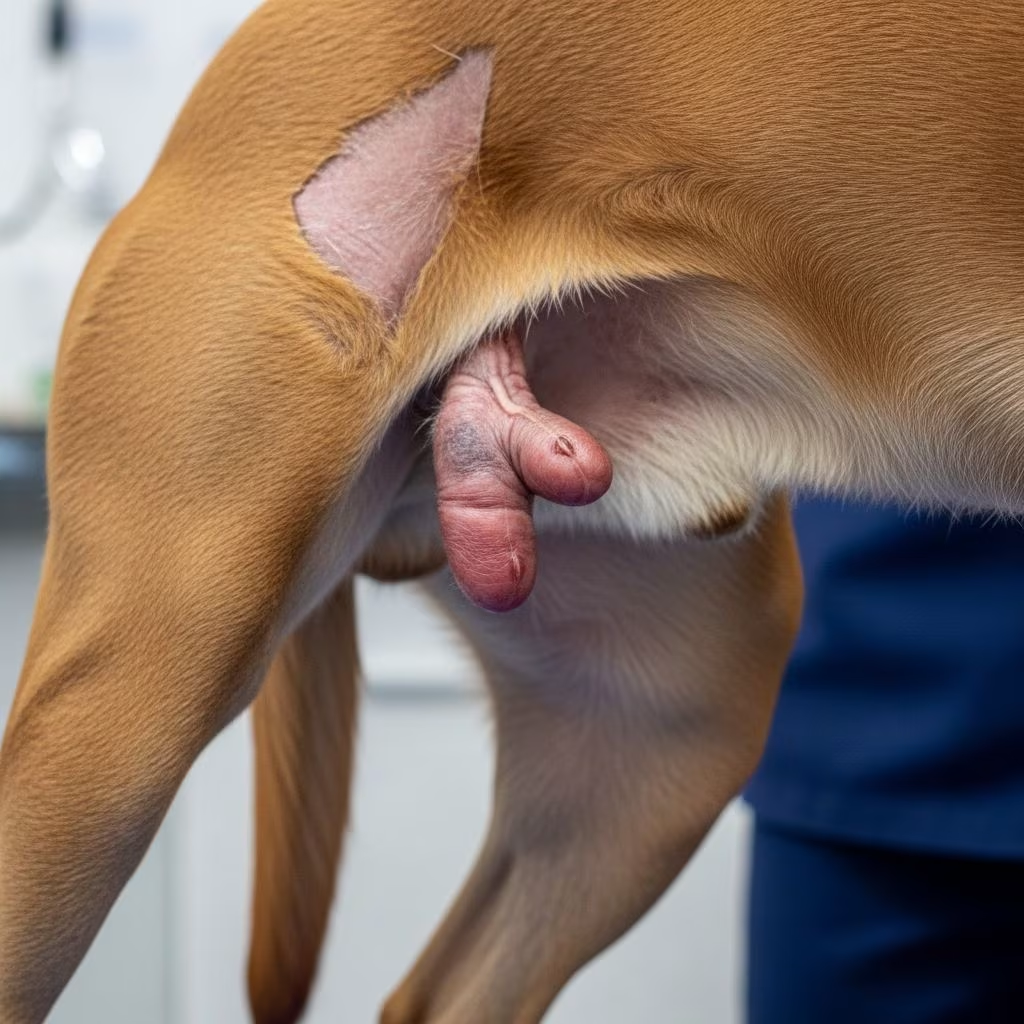
Paraphimosis in dogs is a potentially life-threatening veterinary emergency where the dog’s penis fails to retract into its protective sheath (prepuce), leading to swelling, pain, and risk of tissue death if untreated. This condition requires immediate action, as exposed penile tissue dries out quickly, compromises blood flow, and can result in necrosis or urinary obstruction. Understanding the causes, recognizing symptoms, and knowing first aid steps can save your dog’s life while emphasizing the need for professional veterinary intervention.
What is Paraphimosis in Dogs?
Paraphimosis occurs when the dog’s erect penis does not return to the preputial sheath after arousal, trauma, or other triggers, leaving delicate mucosal tissue exposed to air and friction. Unlike priapism, which is a persistent erection without protrusion, paraphimosis specifically involves the inability to retract the protruded penis, often due to edema that forms rapidly from obstructed venous drainage. This condition is more common in young adult male dogs, particularly after mating, humping, or play, and is rarely seen in cats. Early recognition is crucial, as treatment success hinges on intervention before severe swelling and pain set in.
The penile anatomy in dogs includes a bone called the os penis, which maintains rigidity during erection, but the mucosa is highly vascular and prone to drying without the sheath’s protection. Prolonged exposure leads to desiccation, self-trauma from licking, and potential bacterial infection, escalating the emergency. Owners must differentiate it from normal post-mating exposure, which typically resolves within minutes.
Symptoms of Paraphimosis in Dogs
Dogs with paraphimosis initially show the penis fully extended outside the sheath, often bright red and shiny, but without retraction after 10-30 minutes, swelling begins. Common symptoms include:
- Excessive licking, whining, panting, or restless pacing due to discomfort.
- Stiff gait, limping, or reluctance to move as pain intensifies.
- Progressive swelling, drying, and discoloration (dark red, purple, or black indicating poor circulation).
- Difficulty or inability to urinate, signaling urethral obstruction—a critical emergency.
- Visible tissue damage, dryness, or necrosis in severe cases.
Severe cases show obvious distress, with the dog crying or avoiding play, and tissue appearing necrotic (black and dead). If untreated, complications like sepsis or penile amputation become likely. Monitor closely after any excitement; if unresolved quickly, seek vet care immediately.
Causes of Paraphimosis in Dogs
Several factors trigger paraphimosis, ranging from behavioral to pathological. Primary causes include:
- Behavioral triggers: Sexual excitement from breeding, humping, or play, common in intact young males.
- Trauma: Direct injury from bites, fences, or mating, damaging the prepuce.
- Anatomical issues: Narrow preputial opening (phimosis) or hair wrapping around the penis.
- Medical conditions: Infections, tumors, neurological disorders, spinal compression (e.g., slipped disc), muscle weakness (e.g., Addison’s), or severe constipation straining.
- Other factors: Vascular abnormalities, drugs, myelopathy, or genetic predisposition.
In many cases, no single cause is identified, but recurrence risk increases post-episode. Breeds with heavy coats may trap hair, exacerbating issues.
Why Paraphimosis is an Emergency in Dogs
Untreated paraphimosis rapidly progresses: venous obstruction causes edema within minutes, drying mucosa leads to pain and cracking, and prolonged exposure (hours) risks necrosis from ischemia. Life-threatening complications include:
- Urethral blockage preventing urination, causing toxin buildup and kidney failure.
- Infection spreading systemically (sepsis).
- Permanent tissue loss requiring amputation or reconstructive surgery.
| Stage | Timeframe | Risks | Action Needed |
|---|---|---|---|
| Early | <30 min | Mild swelling, discomfort | Home first aid, monitor |
| Moderate | 30 min-2 hrs | Edema, pain, discoloration | Vet immediately |
| Severe | >2 hrs | Necrosis, obstruction, sepsis | Emergency vet |
Prompt care restores circulation, resolving edema quickly and preventing lasting damage. Delays heighten surgical needs.
First Aid for Paraphimosis in Dogs
While rushing to the vet, provide gentle first aid to buy time. Steps include:
- Keep calm: Restrain gently; avoid forcing retraction to prevent injury.
- Clean gently: Flush with cool water or saline to remove debris.
- Reduce swelling: Apply hypertonic solution like granulated sugar or honey (draws out fluid osmotically) for 5-10 minutes, then rinse.
- Lubricate: Use copious sterile lubricant (KY jelly, surgical lube) and gently attempt manual reduction if small/no swelling.
- Cool compress: Wrap in damp cool cloth; avoid ice directly.
- Prevent licking: Use cone or cover if possible.
- Monitor urination: Ensure flow; catheter may be needed.
Do not: Pull forcefully, use irritants, or delay vet visit. Sedation is often required professionally.
Veterinary Diagnosis and Treatment
Vets diagnose via history, physical exam, observing non-retraction, and assessing edema. Further tests:
- Bloodwork, urinalysis for infection/systemic issues.
- Imaging (ultrasound/X-ray) for tumors, spinal problems.
- Biopsy if masses suspected.
Treatment escalates by severity:
- Manual reduction: Sedation, lubrication, sugar bath, gentle manipulation.
- Medications: Pain relief, anti-inflammatories, antibiotics.
- Supportive: Catheter for urination, acepromazine sedation (0.005-0.03 mg/kg).
- Surgical: Preputial enlargement, sutures, phallopexy, or amputation/urethrostomy in extremes.
Most resolve with conservative care if early.
Recovery and Aftercare for Dogs with Paraphimosis
Post-treatment, confine for 7-14 days, monitor urination (normal stream, no straining), and ensure pink tissue color. Administer meds as prescribed; limit activity to prevent re-prolapse. Trim sheath fur short; neuter to reduce erections. Watch for infection (excess licking, discharge) or recurrence. Full recovery is rapid with compliance.
Preventing Paraphimosis in Dogs
Prevention focuses on risk reduction:
- Neuter intact males to minimize arousal episodes.
- Supervise play/breeding; separate during heat.
- Trim hair around sheath regularly.
- Treat underlying issues (infections, constipation).
- Regular vet checkups for at-risk breeds/ages.
Dogs with history need vigilant monitoring.
Frequently Asked Questions (FAQs)
What should I do if my dog’s penis won’t go back in?
Apply first aid (sugar, lube, cool compress) and go to vet immediately—do not delay.
Can paraphimosis resolve on its own?
Yes, if very early (<10 min), but monitor closely; vet if persistent.
Is paraphimosis painful for dogs?
Yes, increasingly so as swelling and drying occur; pain meds are standard.
Will my dog need surgery for paraphimosis?
Often not, but recurrent/chronic cases may require preputial revision or more.
How can I prevent recurrence?
Neuter, trim fur, supervise activity, treat causes.
References
- Treatment of paraphimosis in a dog — VetGirl on the Run. Accessed 2026. https://vetgirlontherun.com/videos/veterinary-continuing-education-treatment-paraphimosis-dog-vetgirl-videos/
- Paraphimosis in Dogs: Emergency Signs and What to Do Fast — GSVS. Accessed 2026. https://gsvs.org/blog/paraphimosis-in-dogs-emergency/
- Persistent Erection (Priapism and Paraphimosis) in Dogs — Vetster. Accessed 2026. https://vetster.com/en/symptoms/dog/persistent-erection
- Paraphimosis in Dogs: What to Do — Veteris. 2025-09-01. https://veteris.co.uk/petcare-advice/paraphimosis-in-dogs-what-to-do
- Paraphimosis in Dogs and Cats — MSD Veterinary Manual. Accessed 2026. https://www.msdvetmanual.com/reproductive-system/reproductive-system-diseases-of-male-dogs-and-cats/paraphimosis-in-dogs-and-cats
- Paraphimosis in Dogs and Cats — Merck Veterinary Manual. Accessed 2026. https://www.merckvetmanual.com/reproductive-system/reproductive-system-diseases-of-male-dogs-and-cats/paraphimosis-in-dogs-and-cats



