

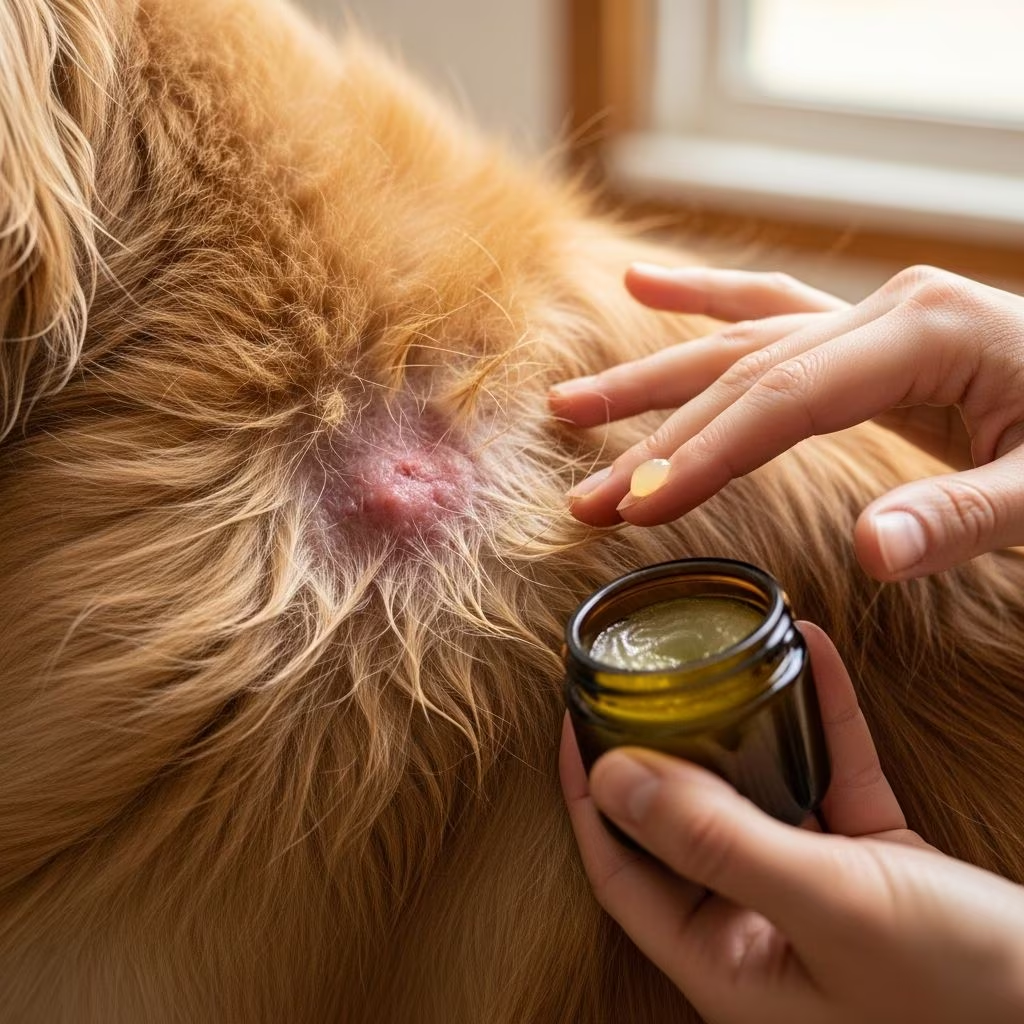
Hot spots, also known as acute moist dermatitis, are common skin conditions in dogs characterized by red, inflamed, oozing lesions that develop suddenly and spread rapidly if untreated. These painful areas often result from excessive licking, scratching, or chewing triggered by allergies, insect bites, or poor grooming. While veterinary care is essential for severe cases, many mild hot spots can be managed effectively at home with simple, natural remedies. This guide covers identification, step-by-step treatments, safe home remedies, and prevention strategies to help your dog recover comfortably.
What Are Hot Spots on Dogs?
Hot spots appear as warm, moist, red patches on a dog’s skin, typically 1-4 inches in diameter, but they can expand quickly due to self-trauma from licking and scratching. Common locations include the head, hips, legs, and tail base. The condition starts with an initial irritant like a flea bite or allergy flare-up, leading to intense itching that worsens the lesion through moisture and bacterial growth.
Symptoms include hair loss around the area, foul odor, pus, and your dog’s frantic attempts to reach the spot. Unlike dry skin issues, hot spots are acutely painful and progress within hours, making early intervention crucial. Breeds with thick or curly coats, such as Golden Retrievers, Labradors, and long-haired varieties, are more prone due to trapped moisture.
Causes of Hot Spots in Dogs
Several factors contribute to hot spot development:
- Allergies: Food sensitivities, environmental pollen, or contact allergens prompt excessive scratching.
- Insect Bites: Fleas, ticks, mosquitoes, or spider bites initiate the itch-lick cycle.
- Grooming Neglect: Matted fur traps moisture, fostering bacterial growth.
- Wet Coat: Swimming or bathing without thorough drying.
- Boredom or Stress: Compulsive licking in understimulated dogs.
Underlying issues like hypothyroidism or poor diet can predispose dogs, so recurring hot spots warrant a vet visit to rule out systemic problems.
How to Treat Hot Spots on Dogs at Home
Immediate action halts progression. Follow these steps systematically for best results.
Step 1: Prevent Further Damage
Fit your dog with an Elizabethan collar (cone) or inflatable collar to block licking and scratching. Distraction with treats or toys helps during application. For short-term relief, oral antihistamines like diphenhydramine (Benadryl) at 1 mg/lb every 8-12 hours can reduce itching—confirm dosage with your vet first.
Step 2: Trim the Fur
Use clippers (not scissors) to shave a 1-2 inch margin around the hot spot. This exposes the area to air, promotes drying, and prevents hair matting in exudate. Proceed gently to avoid nicking sensitive skin; seek professional grooming if your dog is uncooperative.
Step 3: Clean the Area
Gently wash with cool water and mild soap (e.g., Dove, Cetaphil) or chlorhexidine solution (e.g., Douxo wipes). Wipe three times: plain water, soapy water, then rinse again. Pat dry thoroughly with a clean towel—moisture fuels bacteria. Clean 1-2 times daily initially.
Step 4: Apply a Cool Compress
Soak a clean cloth in cool (not ice-cold) water or chamomile tea and apply for 5-10 minutes, 2-4 times daily. This reduces heat, swelling, and pain. Dry completely afterward.
Step 5: Use Topical Treatments
Apply vet-safe sprays or creams 2-3 times daily after cleaning. Monitor for improvement within 48 hours; worsening requires professional care.
Best Home Remedies for Dog Hot Spots
Natural remedies soothe and heal without harsh chemicals. Always test a small area first and stop if irritation occurs.
DIY Hot Spot Spray
Ingredients:
- 1 cup cooled chamomile tea (anti-inflammatory, antibacterial)
- 2 tbsp apple cider vinegar (antifungal, dries moisture)
- 1 tsp coconut oil (moisturizing, antibacterial—optional)
Instructions: Brew and cool tea, mix in bottle, shake well. Spray 2-3 times daily post-cleaning. Distract dog from licking.
Apple Cider Vinegar Solution
Mix 50/50 with warm water. Spray or dab on 2-4 times daily to balance pH and deter bacteria. Avoid open wounds.
Aloe Vera Gel
Pure, pet-safe aloe reduces inflammation via chromone compounds and promotes healing. Apply thinly 2-3 times daily.
Coconut Oil
Its lauric acid fights bacteria and allergies. Dab sparingly or add 1 tsp to food daily for internal benefits.
Chamomile Compress
Steep cooled tea bags, press on spot 5-10 minutes twice daily for calming relief.
Other Natural Options
- Calendula Tincture: Mix 20 drops in saline (1 cup water + 1/4 tsp salt); apply twice daily for healing.
- Himalayan Salt Wash: 1 tsp salt in 1 cup warm water; rinse and dry 2-3 times daily.
- Hydrocortisone Cream (1%): Apply 3-4 times daily for non-infected spots.
| Remedy | Key Benefits | Application Frequency | Source |
|---|---|---|---|
| Chamomile Spray | Anti-inflammatory, soothing | 2-3x/day | |
| ACV Solution | Antibacterial, drying | 2-4x/day | |
| Aloe Vera | Reduces swelling | 2-3x/day | |
| Coconut Oil | Moisturizes, antifungal | 2x/day topical or oral |
When to See a Vet
Home remedies work for mild cases, but seek veterinary help if:
- The spot exceeds 2 inches or spreads.
- No improvement in 48 hours or worsens (more pus, fever, lethargy).
- Deep infection, hair loss beyond area, or multiple spots.
- Your dog seems in severe pain or stops eating.
Vets may prescribe antibiotics, steroids, or medicated shampoos and diagnose underlying causes like allergies.
Preventing Hot Spots on Dogs
Proactive measures reduce recurrence:
- Regular Grooming: Brush daily, bathe with hypoallergenic shampoo, dry thoroughly.
- Flea Prevention: Monthly topicals or orals year-round.
- Dietary Support: Omega-3 fish oil (e.g., salmon oil) daily for skin health.
- Allergy Management: Hypoallergenic or raw diets; antihistamines seasonally.
- Exercise & Stimulation: Prevent boredom licking.
- Quick Response: Address itches immediately.
Frequently Asked Questions (FAQs)
Can hot spots heal on their own?
Small hot spots might improve without intervention, but licking usually worsens them. Cleaning and prevention aid natural healing.
Is apple cider vinegar safe for dog hot spots?
Yes, diluted 50/50 with water; it’s antifungal but avoid eyes and wounds.
How long do dog hot spots take to heal?
With treatment, 3-14 days; severe cases longer with vet care.
Are coconut oil and aloe vera effective?
Both provide antibacterial relief and reduce inflammation when used post-cleaning.
What breeds get hot spots most?
Thick-coated breeds like Retrievers, Shepherds, and Spaniels due to moisture trapping.
References
- DIY Hot Spot Spray for Dogs — The Pet Gourmet. 2023. https://www.thepetgourmet.com/blogs/pet-owners-tips-and-tricks/diy-hot-spot-spray-for-dogs
- Dog Hot Spot Home Remedy: 9 Easy Remedies & Treatments — Holistapet. 2024. https://www.holistapet.com/blogs/home-remedies-for-dogs/hot-spots
- Hot Spots on Dogs: Causes, Treatments, and Home Remedies — GoodRx. 2025-01-10. https://www.goodrx.com/pet-health/dog/hot-spot-treatment-for-dogs-at-home
- Treating Hot Spots on your dog — FurEver Friends of North Carolina. 2023. https://fureverfriendsnc.org/treating-hot-spot-on-your-dog/
- Natural Solutions to Your Dog’s Problem Hot Spots — WagWalking. 2024. https://wagwalking.com/wellness/natural-solutions-to-your-dogs-problem-hot-spots
- Hot Spots on Dogs: Causes, Treatment, and Home Remedies — PetMD. 2025. https://www.petmd.com/dog/general-health/hot-spots-dogs
- Hot spots — Cornell University College of Veterinary Medicine. 2024-06-15. https://www.vet.cornell.edu/departments-centers-and-institutes/riney-canine-health-center/canine-health-topics/hot-spots



