

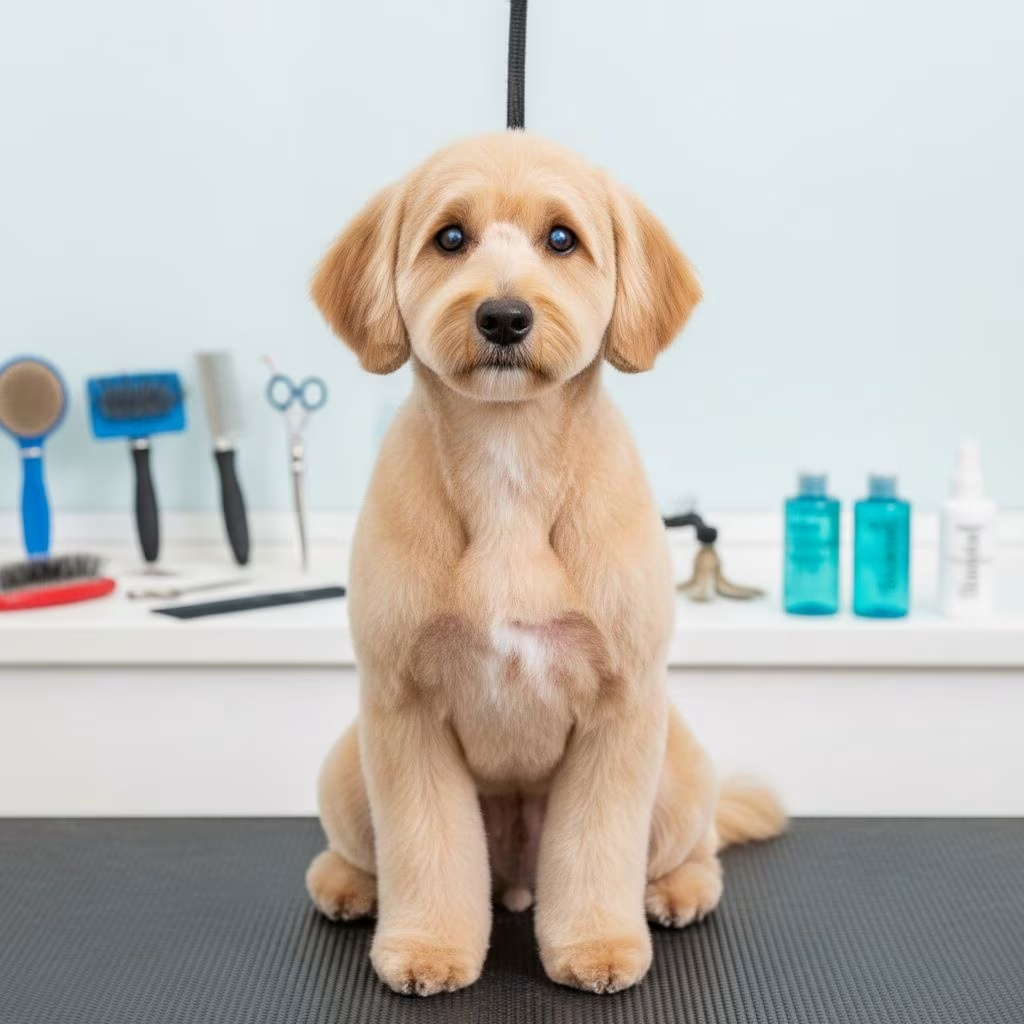
Proper dog grooming maintains your pet’s health, comfort, and appearance while preventing issues like matting, infections, and skin problems. This comprehensive guide covers everything from understanding coat types and essential tools to ethical practices, breed-specific care, and professional tips inspired by experts.
Why Grooming Matters for Your Dog
Grooming goes beyond aesthetics; it promotes hygiene, reduces shedding, checks for health issues early, and strengthens the bond between you and your dog. Regular grooming prevents painful matting, keeps nails trimmed to avoid mobility issues, and ensures clean ears to prevent infections. For double-coated breeds common in the UK, like Huskies or Golden Retrievers, proper care manages heavy shedding seasons.
Understanding Different Dog Coat Types
Dogs have various coat types, each requiring specific care:
- Single coats: Smooth and short, like Labradors; need minimal brushing but regular baths.
- Double coats: Outer guard hairs protect from weather, undercoat insulates; prone to matting if neglected. Professional groomer Nicky Johnson recommends weekly brushing, increasing to daily during shedding peaks, using slicker brushes and undercoat rakes to reach roots.
- Wire or curly coats: Poodles and Bichons; require frequent clipping to prevent tangles.
- Long silky coats: Yorkies; daily brushing essential.
Identifying your dog’s coat type guides your routine. Double-coated dogs should never be shaved fully, as it damages natural insulation.
Essential Grooming Tools for Home Care
Invest in quality tools for effective grooming:
- Slicker brush: Removes loose undercoat without damaging skin.
- Undercoat rake: Ideal for double coats during shedding.
- Comb: Fine-toothed for detangling.
- Nail clippers or grinder: Prevents overgrowth.
- Ear cleaner and cotton pads: For gentle cleaning.
- Shampoo and conditioner: Dog-specific, pH-balanced formulas.
Start with short sessions to build tolerance, using treats for positive reinforcement.
Step-by-Step At-Home Grooming Routine
Follow this routine weekly, adjusting for coat type:
- Brush thoroughly: Work from head to tail, using appropriate brushes. For double coats, brush in the direction of hair growth after blasting with cool air to remove debris.
- Bathe as needed: Every 4-6 weeks or when dirty. Use lukewarm water, massage shampoo into coat, rinse well, and condition. Air-dry or use low-heat dryer for fluffy coats.
- Trim nails: Clip small amounts if they click on floors; grind for safety.
- Clean ears: Wipe visible areas with solution; avoid deep probing.
- Check teeth: Brush with enzymatic toothpaste 2-3 times weekly.
- Express anal glands if needed: Consult a vet first.
| Coat Type | Brushing Frequency | Bathing Interval |
|---|---|---|
| Short/Smooth | Weekly | Monthly |
| Double Coat | Daily (shedding) | Every 4 weeks |
| Curly/Long | Daily | Every 2-4 weeks |
Ethical and Fear-Free Grooming Practices
Ethical grooming prioritizes the dog’s welfare over speed or aesthetics. It involves consent-based methods where dogs set the pace, using rewards instead of force. Groomers like Jenni from Black Collie Grooming allow longer sessions for scared dogs, building confidence gradually. Stephanie from Holistic Grooming Academy blends behavior training with grooming, avoiding misleading ‘fear-free’ labels but focusing on individual needs. Jane Ambrose’s salon lets dogs choose when to step on/off tables, with no restraints—full grooms may take weeks or months over multiple sessions.
Dominika emphasizes rewards-based training for positive experiences, never forcing if stressful. Pet parents should demand this standard; start at home by slowly introducing tools with treats.
Caring for Double-Coated Dogs
Double coats require special attention to avoid matting and overheating. Key tips from Nicky Johnson:
- Brush weekly, daily in shedding seasons.
- Use slicker and rake for undercoat removal.
- Blast with cool air dryer weekly to lift dead hair and inspect skin.
- Bathe sparingly with deshedding shampoos; avoid hot dryers.
Regular professional grooming prevents welfare issues like skin-trapped matting.
Breed-Specific Grooming Techniques
Tailor care to breeds:
- Poodles: Wash 1-3 times weekly; clip every 4-6 weeks. Crufts handler Natasha Dawson spends 3-7 hours pre-show on combing and scissoring.
- Shih Tzus: Daily brushing; natural presentation preferred.
- Shiba Inus: Simple bath and dry suffices for short shows.
- Long-haired breeds: Frequent trims to prevent dragging.
Nutrition supports coat health—high-quality diets yield glossy fur.
Professional Grooming Tips from Crufts Experts
Crufts pros share secrets for show-ready dogs applicable at home:
- Solid foundation: Healthy diet and routine brushing. Gillian Gibson stresses nutrition for Shih Tzus.
- Breed techniques: Adapt to growth stages; puppies need frequent washes.
- Bathing: Regular to prevent knots; Richard Bennett calls it essential for Poodles.
- Don’t overdo: Skip heavy products for natural look; prioritize comfort. Samantha Davies notes confident dogs perform best.
- Details: Nails, ears, expression for top-to-tail perfection.
Keep dogs relaxed—no excessive blow-drying if stressful.
Puppy Grooming: Starting Early
Introduce grooming post-vaccinations (around 12-14 weeks). Puppy sessions build positive associations: start with bath and blow-dry, progressing slowly. Services like Saddleworth Dog Groomers offer intro grooms from £20, advising multiple visits for coat types needing regulars.
When to Hire a Professional Groomer
Opt for pros if:
- Complex coats (curly, double).
- Heavy shedding/matting.
- Your dog is anxious.
- Time constraints.
Choose ethical groomers offering consent-based care. Balance welfare—minor discomfort okay for severe matting to prevent pain.
Frequently Asked Questions (FAQs)
What is ethical grooming?
Ethical grooming respects the dog’s pace, uses rewards, avoids force, and prioritizes welfare over quick results, often spanning multiple sessions.
How often should I groom a double-coated dog?
Weekly brushing, daily during shedding; professional every 4-8 weeks.
Can I shave my double-coated dog?
No— it impairs temperature regulation and coat regrowth.
What tools for beginners?
Slicker brush, comb, nail clippers, dog shampoo.
How to find a gentle groomer?
Look for rewards-based, consent-focused pros; ask about multi-session approaches for nervous dogs.
Puppy Grooming Tips
Make it fun: short, treat-filled sessions. Gradually introduce clippers, dryers.
References
- Ethical Grooming For Dogs: Your Complete Guide — Kinship. 2023. https://www.kinship.com/uk/dog-health/what-is-ethical-grooming
- Crufts 2025: Top Grooming Tips From The Professionals — Kinship. 2025. https://www.kinship.com/uk/dog-health/crufts-professional-grooming-tips
- Understanding Dog Double Coats: A Complete Care Guide for UK — Kinship. 2023. https://www.kinship.com/uk/dog-health/double-coat-grooming-guide-uk
- Dog Grooming Guide — Kinship. 2023. https://www.kinship.com/dog-health/dog-grooming-guide
- Treatments – Saddleworth Dog Groomers — Saddleworth Dog Groomers. 2023. https://saddleworthdoggroomers.co.uk/services



