

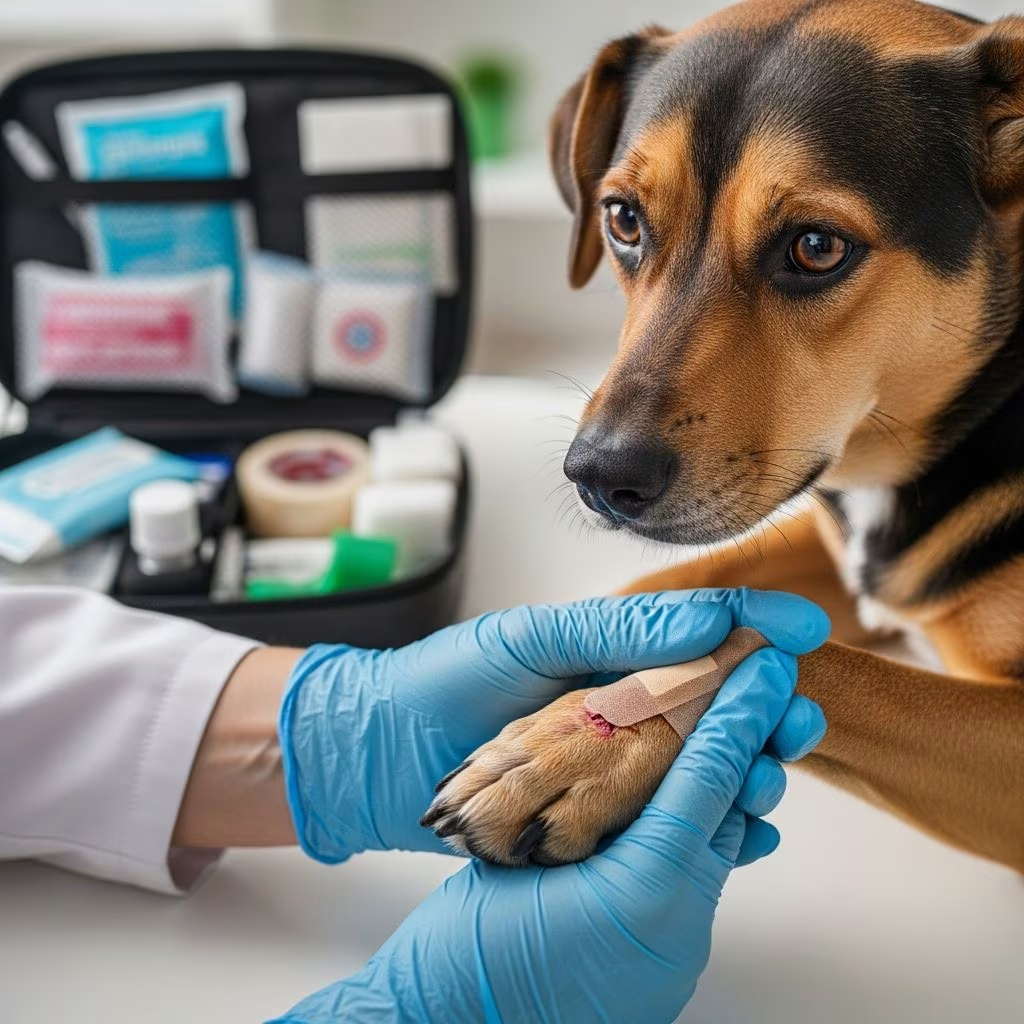
Dogs are active companions, but accidents happen— from cuts and choking to heatstroke and poisoning. Knowing dog first aid can bridge the gap until professional veterinary care is available, potentially saving your dog’s life. This guide covers recognising emergencies, assembling a first aid kit, step-by-step treatments for common issues, and when to seek immediate help.
Recognising a Dog Emergency
Not every injury requires a rush to the vet, but certain signs demand immediate action. Look for difficulty breathing, uncontrolled bleeding, seizures, unconsciousness, severe pain (whining, limping, aggression), pale gums, or sudden collapse. These indicate life-threatening situations where every minute counts.
- Difficulty breathing: Laboured, rapid, or open-mouth breathing.
- Uncontrolled bleeding: Blood spurting or soaking through bandages.
- Loss of consciousness: Unresponsive to touch or voice.
- Seizures: Convulsions, drooling, paddling legs.
- Heatstroke signs: Excessive panting, bright red gums, vomiting.
- Poisoning: Vomiting, diarrhoea, tremors after ingesting toxins.
Assess the scene first: ensure safety for you and your dog before approaching. Stay calm—your composure helps.
Building Your Dog First Aid Kit
A well-stocked first aid kit is essential for any dog owner. Keep it in an accessible, waterproof container in your car, home, and travel bag. Regularly check expiry dates and restock.
Essential Items
- First aid manual: Step-by-step guide for emergencies.
- Emergency contacts: Vet details, 24-hour helplines, poison control.
- Pet medical records: Vaccinations, allergies, medications.
- Gauze pads and bandages: For wounds and bleeding control.
- Antiseptic wipes/solution: Clean wounds safely.
- Disposable gloves: Protect yourself from bites or fluids.
- Muzzle or restraint: Prevent bites from scared/injured dogs (never use if vomiting).
- Syringe or dropper: For oral meds or flushing wounds.
- Digital thermometer: Check temperature (normal: 100-102.5°F).
- Tweezers/scissors: Remove splinters, cut bandages.
- Clean towels/blankets: Warmth, padding, cleaning.
- Eye drops/saline: Flush eyes.
- Hydrogen peroxide (3%): Induce vomiting if vet advises.
- Leash, collar, harness: Safe transport.
Consider pet first aid courses for hands-on training.
General First Aid Principles
Follow the ABCs: Airway, Breathing, Circulation. Keep your dog warm (except heatstroke), quiet, and minimise movement, especially if trauma is suspected. Muzzle if needed, but avoid if airway issues. Transport safely using a carrier, box, or makeshift stretcher.
Safe Handling and Transport
- Enlist help for larger dogs.
- Use blankets to wrap and immobilise.
- For suspected spinal injury: secure on a board.
- Get to the vet ASAP while stabilising.
Common Dog Emergencies and First Aid
Bleeding
Apply firm, direct pressure with clean gauze or cloth for 10-15 minutes. Elevate the limb if no fracture. Bandage snugly but not too tight (check circulation). If bleeding persists or arterial (spurting), seek vet immediately.
- Minor cuts: Clean with antiseptic, bandage.
- Nosebleeds: Keep head forward, ice pack on bridge.
- Don’t remove embedded objects—stabilise and go to vet.
Wounds and Cuts
Clip fur around wound. Clean with saline or diluted antiseptic. Apply antibiotic ointment, cover with nonstick dressing, then bandage. Change daily; watch for infection (redness, pus, swelling).
Choking
Signs: Pawing mouth, blue gums, coughing. Restrain safely. Open mouth, sweep finger to dislodge object. If unsuccessful, Heimlich: Stand dog on hind legs, fist behind ribs, thrust inwards/upwards. For small dogs, swing gently by hind legs. Follow with rescue breaths if needed.
Heatstroke
Critical: Body temp over 104°F. Move to cool shade. Wet with cool (not ice) water, fan. Offer small ice water sips. Monitor temp; aim under 103°F. Vet urgently—even if recovers.
Prevention: Avoid hot cars/walks, provide shade/water.
Poisoning
Common toxins: chocolate, xylitol, antifreeze, grapes. Note substance/time ingested. Call vet/poison hotline FIRST—do NOT induce vomiting unless instructed (risks aspiration). Activated charcoal may be advised.
Shock
Signs: Pale gums, rapid breathing, weakness. Keep warm, quiet, legs elevated slightly. Monitor ABCs; CPR if needed. Rush to vet.
CPR for Dogs
Check responsiveness. If no breathing/pulse:
- Airway: Extend neck, clear mouth, pull tongue forward.
- Breathing: Cover muzzle, blow into nose 20 breaths/min (small dogs: 30/min).
- Chest compressions: Right side down, compress chest 80-120/min (small: 100-140). Ratio 30:2.
Continue until heartbeat resumes or vet arrives.
Burns
Cool with tepid water 10-20 min. Cover loosely with sterile dressing. No creams; pain meds only from vet. Severe burns need immediate care.
Fractures/Sprains
Immobilise with splint (rigid object padded). Don’t force alignment. Muzzle, transport carefully.
Seizures
Clear area, time seizure (over 5 min = emergency). Dim lights, no hands in mouth. Post-seizure: cool, quiet. Vet for cause (epilepsy, toxins).
Eye Injuries
Flush with saline. Cover loosely. No pressure.
When to Call the Vet or Go to Emergency
Always err on caution. Call ahead for advice. Go immediately for: chest pain, distended abdomen (bloat), hit-by-car, deep wounds, prolonged seizures.
| Symptom | Home First Aid | Vet Immediately? |
|---|---|---|
| Uncontrolled bleeding | Pressure, bandage | Yes |
| Choking | Heimlich, breaths | If persists |
| Heatstroke | Cool down | Yes |
| Minor cut | Clean, bandage | No, monitor |
Prevention Tips
- Secure toxins, medications.
- Microchip ID.
- Regular vet checks.
- Training for recall.
- Seasonal prep (hot/cold weather).
Frequently Asked Questions (FAQs)
Q: Can I use human first aid on my dog?
A: Some overlap, but never give human meds (e.g., paracetamol toxic). Use pet-specific advice.
Q: How do I take my dog’s temperature?
A: Rectally with lubricant-coated digital thermometer. Normal 100-102.5°F.
Q: What if my dog eats chocolate?
A: Call vet immediately—toxicity based on amount/type.
Q: Is a muzzle always needed?
A: For injured/pained dogs to prevent bites, but not if vomiting or airway blocked.
Q: How often check first aid kit?
A: Monthly, plus post-use and expiry checks.
This guide empowers you to act confidently in crises. Always prioritise professional vet care—first aid stabilises, doesn’t cure. Enrol in courses for practice.
References
- First Aid for Pets: Essential Techniques Every Pet Owner Needs — Arlington ER Vet. 2023. https://arlingtoner.vet/first-aid-for-pets-essential-techniques-every-pet-owner-needs/
- Pet First Aid Kit: Everything You Need In an Emergency — Kinship. 2024. https://www.kinship.com/uk/pet-health/pet-first-aid-kit
- First Aid for Dogs: Shock, Rescue Breathing, and CPR — VCA Animal Hospitals. 2024. https://vcahospitals.com/know-your-pet/first-aid-for-dogs
- First aid tips for pet owners — American Veterinary Medical Association (AVMA). 2024-01-14. https://www.avma.org/resources-tools/pet-owners/emergencycare/first-aid-tips-pet-owners
- First Aid for Pets: How to Prepare for the Unexpected — Schwarzman Animal Medical Center (YouTube webinar). 2022-04-14. https://www.youtube.com/watch?v=Yxtbvo2rFEA



