

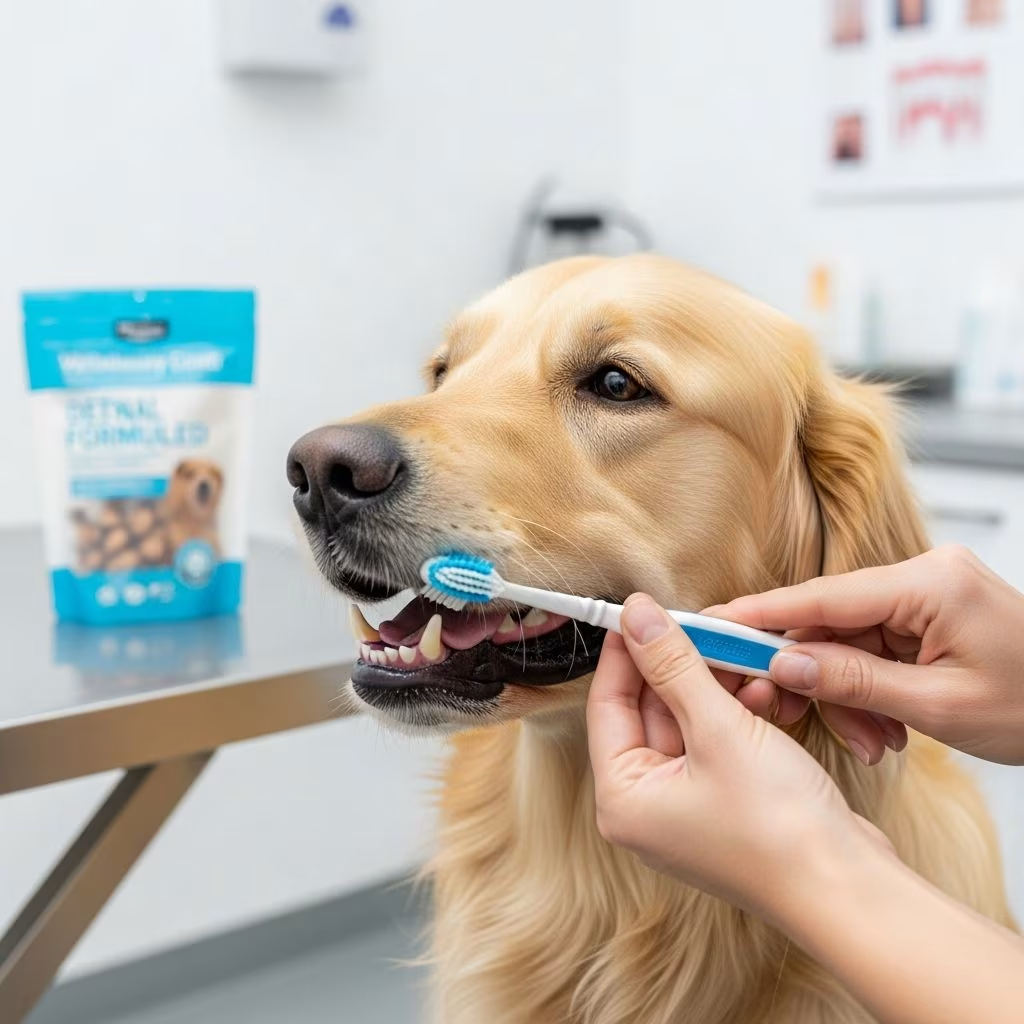
Dog dental care is crucial for preventing periodontal disease, which affects over 80% of dogs by age three and can lead to pain, tooth loss, and systemic health issues like heart and kidney disease. Regular at-home brushing and professional veterinary cleanings maintain healthy teeth and gums, improving your dog’s quality of life.
Why Dog Dental Care Matters
Poor oral health in dogs leads to plaque buildup, tartar formation, gingivitis, and advanced periodontal disease, causing discomfort, bad breath, and potential spread of bacteria to vital organs. The American Veterinary Medical Association (AVMA) emphasizes that dental health is integral to overall pet well-being, recommending annual veterinary exams to check teeth and gums. Early intervention prevents costly treatments and ensures dogs can eat comfortably.
Periodontal disease progresses in stages: plaque (soft bacterial film) hardens into tartar within days if not removed, irritating gums and leading to infection. Small breeds are particularly prone due to tooth crowding, while larger breeds may develop issues by age two. Consistent care reduces these risks significantly.
Signs of Dental Problems in Dogs
Recognize dental issues early to avoid complications. Common symptoms include:
- Bad breath (halitosis): Often the first sign of bacterial overgrowth.
- Discolored teeth or tartar buildup: Yellow-brown deposits, especially along the gumline.
- Red, swollen, or bleeding gums: Indicates gingivitis or periodontitis.
- Loose or missing teeth: Advanced disease signs.
- Pain when eating, drooling, or pawing at the mouth: Behavioral changes like reluctance to chew hard food or toys.
- Facial swelling or nasal discharge: Possible abscesses or infections.
If you notice these, schedule a vet visit immediately. Radiographs are essential as most disease occurs below the gumline, invisible without imaging.
How to Brush Your Dog’s Teeth
Brushing is the most effective at-home preventive measure, recommended daily or at least 3-4 times weekly. Use dog-specific toothpaste (enzymatic formulas break down plaque; never use human toothpaste due to toxic ingredients like xylitol and fluoride).
Step-by-Step Brushing Guide
- Introduce gradually: Start with finger brushing or gauze wrapped around your finger to acclimate your dog over 1-2 weeks. Reward with treats and praise.
- Choose tools: Soft dual-ended dog toothbrush, finger brush, or child’s soft toothbrush. Angle at 45 degrees to clean gumline.
- Apply toothpaste: Pea-sized amount of poultry, beef, or peanut-flavored enzymatic paste.
- Lift lips and brush: Focus on outer surfaces of molars and canines (back teeth harbor most plaque). Use gentle circular motions for 30 seconds per side.
- Rinse and reward: Wipe with gauze if needed; never rinse mouth. End with play or treat.
Puppies can start as early as 8 weeks. Patience is key—most dogs accept it with training. Brushing reduces tartar by up to 70% with consistency.
Dental Treats, Chews, and Water Additives
Supplements to brushing include:
- Dental chews: VOHC-approved (Veterinary Oral Health Council) products like Greenies or OraVet chews mechanically scrape tartar and reduce bacteria.
- Dental treats: Hard biscuits or bones promote chewing action; avoid hard antlers or bones that can fracture teeth.
- Water additives: Chlorhexidine-based solutions kill bacteria when added to drinking water daily.
- Dental gels and wipes: Apply directly for quick plaque control between brushes.
These are helpful but not substitutes for brushing. Select size-appropriate, digestible options and monitor for allergies.
| Product Type | Benefits | Frequency | Examples |
|---|---|---|---|
| Chews | Reduces plaque/tartar mechanically | Daily | Greenies, Whimzees |
| Water Additives | Kills bacteria | Daily | TropiClean, Dental Fresh |
| Gels/Wipes | Enzymatic action | 2-3x/week | Oxyfresh, Virbac gel |
Professional Dental Cleanings
Annual professional cleanings under general anesthesia are vital, even with diligent home care, as subgingival tartar requires scaling. The 2019 AAHA Dental Care Guidelines recommend first prophylaxis by age 1 for small/medium dogs and age 2 for large breeds.
What Happens During a Cleaning
- Pre-op exam and bloodwork: Ensures anesthesia safety.
- Full-mouth radiographs: Detects hidden abscesses, fractures, or resorptive lesions.
- Scaling: Ultrasonic and hand scaling removes tartar above/below gums.
- Polishing: Smooths enamel to slow future buildup.
- Extractions if needed: Painless removal of non-salvageable teeth.
- Charting and fluoride/sealant application: Protects teeth post-cleaning.
Fast your dog overnight beforehand; drop-off is typically morning. Costs range $300-800 depending on location and procedures.
Preventing Dental Disease Long-Term
Combine home and professional care:
- Daily brushing routine from puppyhood.
- Consistent vet dental exams yearly or biannually for seniors.
- Diet: Kibble over soft food; dental-specific formulas like Hill’s t/d.
- Monitor for breed predispositions (e.g., brachycephalics like Pugs).
Case studies show dogs on routines have 50-70% less disease progression. Early detection via home checks prevents extractions.
Frequently Asked Questions (FAQs)
How often should I brush my dog’s teeth?
Daily is ideal, but 3-4 times weekly effectively controls plaque if consistent.
Can dogs have dental cleanings without anesthesia?
No—thorough cleaning requires anesthesia for safety and complete subgingival access.
What if my dog won’t let me brush their teeth?
Start slow with treats, use flavored toothpaste, and consider chews/additives. Consult your vet for tips.
At what age should dental cleanings start?
By 1 year for small/medium breeds, 2 years for large, per AAHA guidelines.
Is bad breath always a dental issue?
Often yes, but rule out diet, GI problems, or kidney disease with a vet exam.
Choosing a Vet for Dog Dental Care
Seek AAHA-accredited practices with dental radiography and experienced staff. Ask about anesthesia protocols, pain management, and post-op care. Local searches for ‘veterinary dentist’ yield specialists for complex cases.
References
- Complete Guide to Canine Dental Care for a Healthier Smile — Lange Animal Hospital. 2023. https://langeanimalhospital.com/caring-for-your-dogs-teeth-a-complete-guide/
- Pet dental care — American Veterinary Medical Association (AVMA). Accessed 2026. https://www.avma.org/resources-tools/pet-owners/petcare/pet-dental-care
- 2019 AAHA Dental Care Guidelines for Dogs and Cats — American Animal Hospital Association (AAHA). 2019-01-31. http://www.aaha.org/wp-content/uploads/globalassets/02-guidelines/dental/aaha_dental_guidelines.pdf
- Step-by-Step Guide to Preparing Your Pet for a Dental Procedure — Walden Animal Clinic. 2023. https://www.waldenanimalclinic.com/blog/1331736-step-by-step-guide-to-preparing-your-pet-for-a-dental-procedure
- Pearly Whites: A Guide to Dog Dental Care — South 40 Veterinary Hospital. 2023. https://www.40vet.com/blog/1209834-pearly-whites-a-guide-to-dog-dental-care



