

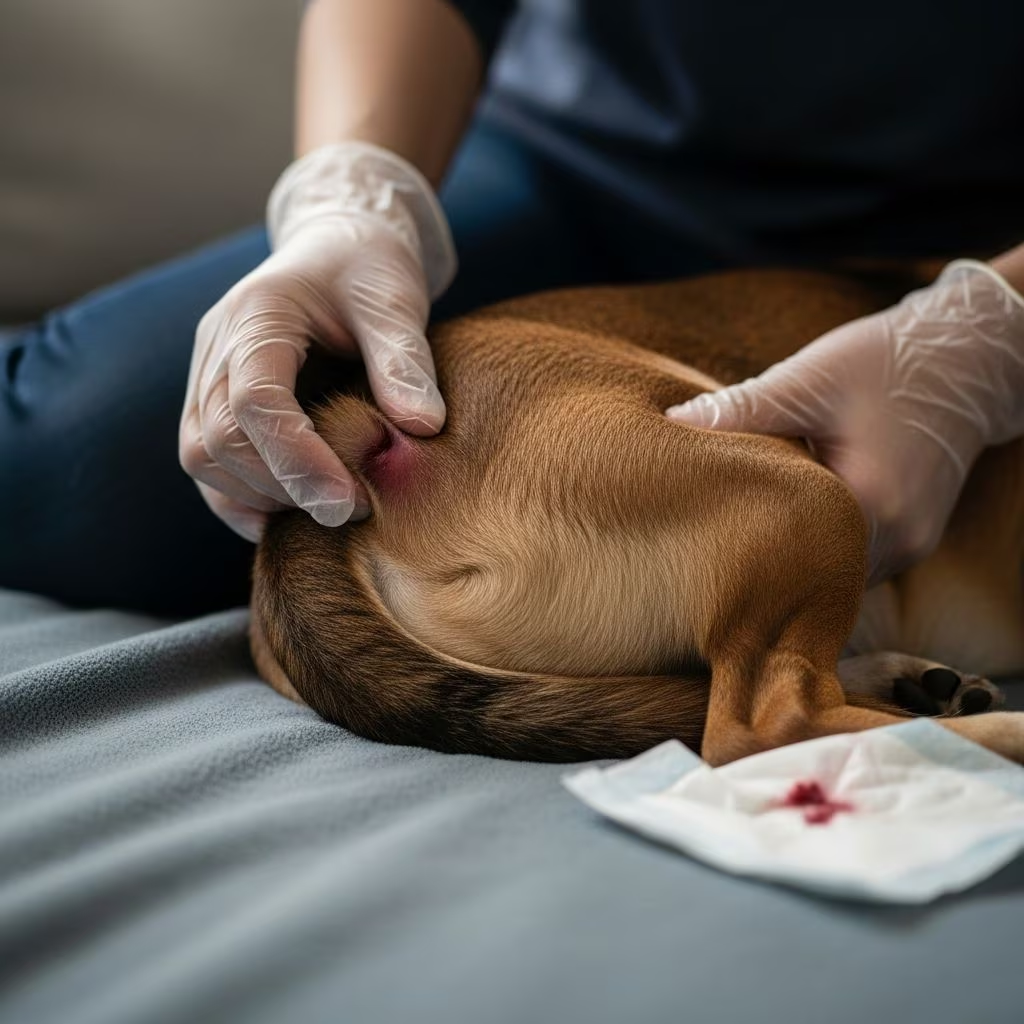
Rectal bleeding in dogs, often noticed as bright red blood on stool or around the anus, signals underlying issues from minor irritations to serious conditions. While home remedies can help mild cases like anal gland impaction or dietary upset, veterinary evaluation is essential to rule out parasites, infections, or tumors. This guide covers causes, symptoms, safe at-home care, and emergency signs, drawing from veterinary insights to keep your dog comfortable and healthy.
What Causes Bleeding from a Dog’s Anus?
Bleeding from a dog’s anus, medically termed hematochezia when bright red, typically originates in the lower digestive tract like the colon or rectum. Dark, tarry stools (melena) indicate upper GI bleeding. Common triggers include anal gland disease, parasites, colitis, and dietary problems, affecting dogs of all ages and breeds.
Anal Gland Problems
Anal sacs, small glands flanking the anus, produce fluid for scent marking. When impacted, infected, or abscessed, they cause scooting, excessive licking, foul odor, swelling, and bleeding. Bacteria from feces enter blocked ducts, leading to pus-filled sacs that may rupture, releasing bloody discharge. Small breeds and those with soft stools are prone.
- Symptoms: Scooting on floors, tail chasing, pain when touched, blood or pus drainage.
- Risk factors: Chronic diarrhea, obesity, allergies weakening gland expression.
Untreated, infections spread, causing severe pain and systemic illness. Regular expression during grooming helps prevent this.
Parasitic Infections
Intestinal parasites like hookworms, whipworms, Giardia, or coccidia damage the gut lining, leading to bloody diarrhea. Puppies and dogs in contaminated environments are vulnerable. Symptoms include weight loss, vomiting, and mucus in stool alongside blood.
- Prevention: Monthly dewormers, fecal exams, avoid raw meat or unclean water.
- Detection: Vet fecal test confirms parasites for targeted treatment.
Dietary Issues and Food Allergies
Sudden diet changes, low-fiber food, or allergies cause colitis—inflammation of the colon—resulting in fresh blood on stool. Stress colitis from boarding or fireworks mimics this with “raspberry jam” stools in small breeds.
High-fat treats or table scraps irritate the rectum, while fiber deficiency hardens stools, straining glands.
Colitis and Inflammatory Conditions
Colitis from bacterial overgrowth, stress, or IBD leads to tenesmus (straining) and bright red blood. HGE (hemorrhagic gastroenteritis) is acute, with rapid dehydration needing hospitalization.
Trauma, Tumors, and Other Serious Causes
Rectal polyps (benign in older dogs), foreign bodies, perianal fistulas, or cancers cause persistent bleeding. Clotting disorders or rat poison ingestion lead to widespread hemorrhage. Prolapsed rectum from straining shows as pink tissue protrusion.
| Cause | Blood Appearance | Common Symptoms |
|---|---|---|
| Anal Gland Issues | Bright red, pus | Scooting, licking, odor |
| Parasites | Bright red, mucus | Diarrhea, weight loss |
| Colitis | Bright red on stool | Straining, urgency |
| Tumors/Polyps | Persistent bright red | Straining, mass felt |
Symptoms of Rectal Bleeding in Dogs
Beyond visible blood, watch for scooting, anal licking, straining (dyschezia), loose stools, lethargy, or appetite loss. Bright red blood on fur or floor indicates lower tract issues; black stools signal urgency. Pain yelps or aggression when touched warrant immediate vet care.
- Mild: Small blood spots, normal energy.
- Severe: Profuse bleeding, weakness, vomiting, pale gums.
Is Dog Rectal Bleeding an Emergency?
Yes, if accompanied by heavy bleeding, dehydration (sunken eyes, dry gums), collapse, or persistent symptoms over 24 hours. HGE or poisonings progress fast; dark stools or prolapse need ER attention. Mild cases with scooting may respond to home care, but first confirm no parasites or abscess.
Home Remedies for Dog Bleeding Anus
For mild anal gland or dietary issues, these vet-approved remedies soothe while awaiting professional check. Never delay if bleeding worsens.
Pumpkin Pure Pure (Fiber Boost)
Plain canned pumpkin (not pie filling) adds soluble fiber, firming stools and easing gland expression. Dose: 1-4 tbsp daily based on size, mixed in food. Improves digestion in 1-2 days.
Probiotics and Anal Gland Supplements
Probiotics restore gut flora post-diarrhea; fiber-pumpkin supplements target glands. Brands with omega-3s reduce inflammation. Consult vet for dosing.
Warm Compresses
Apply warm (not hot) cloth 10-15 min twice daily to reduce swelling and pain from impaction. Follow with gentle cleaning using pet-safe wipes. Eases abscess drainage.
Dietary Adjustments
Switch to bland diet: Boiled chicken/rice for 3-5 days, then high-fiber kibble. Hydrate with bone broth. Avoid dairy, grains if allergic.
Stool Softeners
Vet-recommended softeners like canned pumpkin prevent straining. Never use human laxatives.
Caution: Do not manually express glands without training—risk injury. Stop remedies if no improvement in 48 hours.
Prevention Tips for Anal Gland Health
Maintain firm stools via high-fiber diet, regular exercise (30-60 min walks), and weight control. Monthly vet checks for at-risk breeds. Epsom salt soaks (diluted) post-expression soothe.
- Daily fiber: Veggies like green beans.
- Grooming: Trim anal fur to prevent contamination.
- Parasite preventives: Year-round.
When to See a Vet for Rectal Bleeding
Always for first-time bleeding, or if home remedies fail. Vets diagnose via exam, fecal test, anal expression, or ultrasound/colonoscopy for polyps. Treatments: Antibiotics for infections, fluids for HGE, surgery for tumors.
Post-care: Cone to prevent licking, follow-up for chronic issues like fistulas.
Frequently Asked Questions (FAQs)
Why is my dog’s butt bleeding but acting normal?
Mild anal impaction or constipation often causes minor bleeding without distress. Monitor stool and add fiber; vet if persists.
How do you treat a dog’s bleeding anus at home?
Use pumpkin, probiotics, warm compresses, and bland diet for mild cases. Vet confirmation essential.
Can rectal bleeding in dogs be fatal?
Rarely alone, but signals like HGE or clotting disorders can be if untreated. Prompt care key.
What does bright red blood in dog stool mean?
Hematochezia from lower GI: anus, rectum, colon—often anal glands or colitis.
Should I express my dog’s anal glands myself?
Only if trained; improper technique worsens issues. Vet demo recommended.
This 1678-word guide empowers pet owners with knowledge for minor rectal bleeding while stressing professional care. Always prioritize your dog’s health.
References
- What To Do When Your Dog Is Bleeding From The Butt — Vetnique. 2023. https://vetnique.com/blogs/news/what-to-do-when-your-dog-is-bleeding-from-the-butt
- Help! Why is My Dog Bleeding from His Butt? — PetMD. 2013-09-24. https://www.petmd.com/blogs/fullyvetted/2013/sept/what-causes-dog-tp-bleed-from-rectum-30911
- Causes of Rectal Bleeding in the Dog — Urban Animal Veterinary. N/A. https://urbananimalveterinary.com/event/causes-of-rectal-bleeding-in-the-dog/
- Why Is My Dog Bleeding From the Butt? An Emergency Guide — GSVS. N/A. https://gsvs.org/blog/dog-bleeding-butt-emergency/
- Anal Sac Disease in Dogs — VCA Animal Hospitals. 2023. https://vcahospitals.com/know-your-pet/anal-sac-disease-in-dogs
- Disorders of the Rectum and Anus in Dogs — Merck Veterinary Manual. 2023. https://www.merckvetmanual.com/dog-owners/digestive-disorders-of-dogs/disorders-of-the-rectum-and-anus-in-dogs
- Hematochezia in Dogs: Symptoms, Causes, Diagnosis, Treatment — WagWalking. N/A. https://wagwalking.com/condition/hematochezia



