

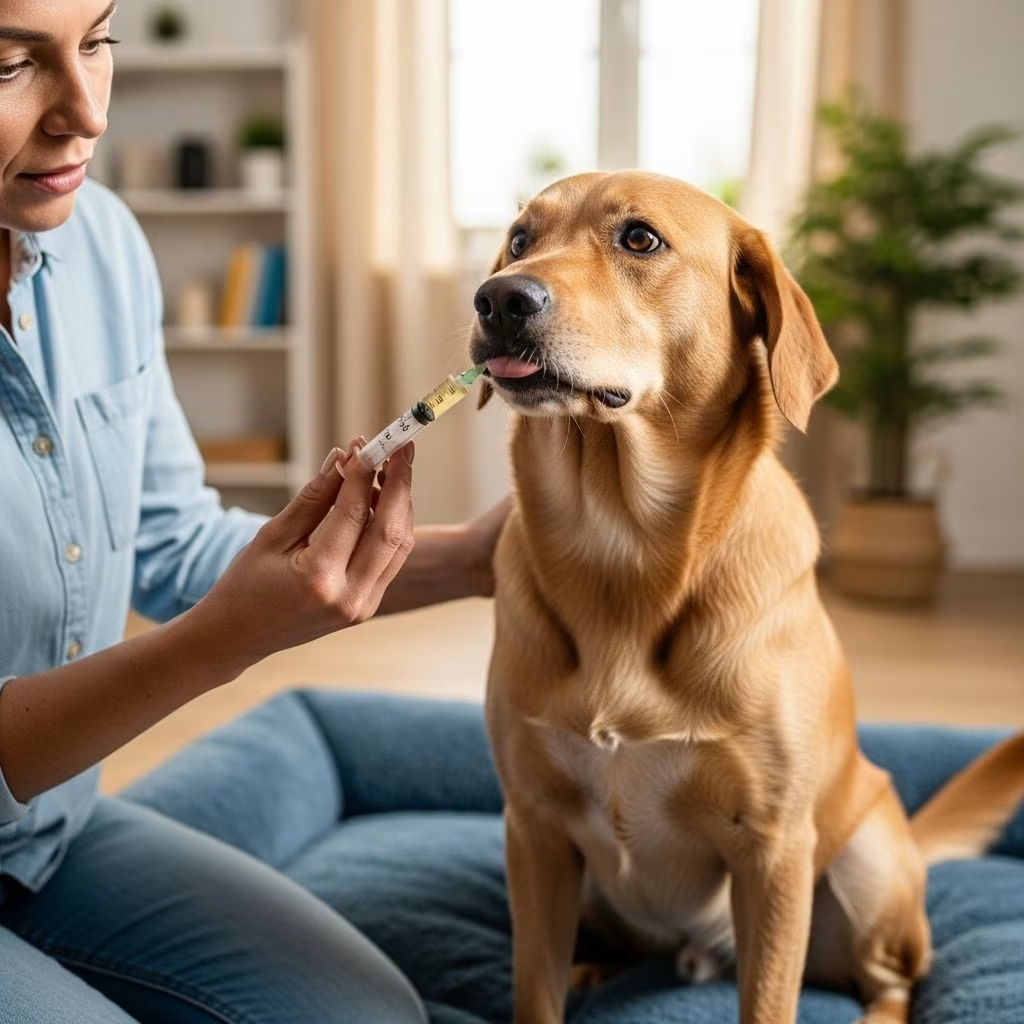
Bladder infections, also known as urinary tract infections (UTIs), are common in dogs and can cause significant discomfort if not addressed promptly. These infections typically involve bacterial overgrowth in the bladder, leading to symptoms that affect your dog’s quality of life. Early detection and proper treatment are crucial to prevent complications like kidney infections. This guide covers everything from symptoms and causes to effective treatment options and prevention strategies, drawing on veterinary best practices.
What Is a Bladder Infection in Dogs?
A bladder infection in dogs, or canine cystitis, occurs when bacteria enter the urinary tract and multiply in the bladder. While dogs can develop UTIs at any age, they are more prevalent in females due to their shorter urethras, which allow easier bacterial access. Unspayed females and older dogs are particularly susceptible. If untreated, the infection can ascend to the kidneys, potentially becoming life-threatening.
Bladder infections differ from other urinary issues like stones or incontinence, as they specifically involve inflammation and bacterial presence in the bladder lining. Diagnosis confirms the presence of bacteria through urinalysis and culture testing.
Symptoms of Bladder Infections in Dogs
Recognizing the signs early can lead to faster relief for your dog. Common symptoms include:
- Frequent urination: Dogs may go outside more often but produce only small amounts of urine each time.
- Straining or pain while urinating: Whining, discomfort, or arching the back during urination indicates irritation.
- Blood in the urine (hematuria): Urine may appear pink, red, or cloudy due to inflammation or crystals.
- Foul-smelling urine: A strong, unpleasant odor often signals bacterial growth.
- Accidents in the house: Incontinence or dribbling, even in house-trained dogs.
- Excessive licking of the genital area: Dogs lick to soothe irritation.
- Lethargy, loss of appetite, or fever: Systemic signs in severe cases.
These symptoms can mimic other conditions like bladder stones or diabetes, so veterinary evaluation is essential.
Causes and Risk Factors of Bladder Infections in Dogs
Bacterial infections, primarily E. coli from the gastrointestinal tract, cause most UTIs. Bacteria ascend the urethra into the bladder. Risk factors include:
- Anatomical issues: Short urethras in females, recessed vulvas leading to skin folds trapping bacteria.
- Underlying conditions: Diabetes, Cushing’s disease, or kidney problems that weaken immunity or alter urine pH.
- Bladder stones: Promote bacterial adhesion and irritation.
- Immune suppression: From age, medications, or chronic illness.
- Poor hygiene: Infrequent cleaning or holding urine too long.
Puppies and senior dogs face higher risks due to immature or declining immune systems. Recurrent UTIs often signal an underlying issue requiring further investigation.
How Are Bladder Infections Diagnosed in Dogs?
Veterinarians start with a history and physical exam, focusing on urinary habits. Key diagnostics include:
- Urinalysis: Detects bacteria, white blood cells, blood, and crystals. A free-catch or cystocentesis (needle into bladder) sample is ideal to avoid contamination.
- Urine culture and sensitivity: Identifies the specific bacteria and tests antibiotic effectiveness, taking 2-3 days.
- Imaging: X-rays or ultrasound for stones, tumors, or structural abnormalities, especially in recurrent cases.
- Bloodwork: Checks for systemic issues like kidney function or diabetes.
For first-time UTIs in healthy dogs, vets may start empiric antibiotics while awaiting culture results.
Treatment Options for Bladder Infections in Dogs
Treatment targets the infection, pain, and any underlying causes. Most dogs improve within days of starting therapy.
Antibiotics: The Cornerstone of Treatment
Antibiotics are prescribed based on culture results. Common options include:
| Antibiotic | Common Use | Duration |
|---|---|---|
| Trimethoprim-sulfamethoxazole (TMS) | Broad-spectrum for common bacteria | 7-14 days |
| Amoxicillin or Cephalexin | First-line for uncomplicated UTIs | 7-14 days |
| Enrofloxacin | For resistant infections | Up to 4 weeks for complicated cases |
Complete the full course to prevent resistance and recurrence, even if symptoms resolve early. Uncomplicated UTIs need 7-14 days; complicated ones require 4+ weeks.
Pain Management and Anti-Inflammatories
UTIs cause bladder spasms and pain. Vets prescribe:
- Non-steroidal anti-inflammatories (NSAIDs) like carprofen for inflammation and discomfort.
- Pain relievers or antispasmodics for severe straining.
Monitor for side effects like gastrointestinal upset.
Supportive Care
- Increased water intake: Encourage dilution of urine with fresh water or wet food.
- IV fluids: For dehydrated or severe cases requiring hospitalization.
- Dietary changes: Prescription urinary diets acidify urine and prevent stones.
Advanced Treatments for Complicated Cases
- Surgery: Remove large stones or correct anatomical issues like vulvoplasty. Recovery takes 1-2 weeks.
- Urethral sphincter medications: For incontinence-related UTIs.
- Supplements: Probiotics, antioxidants, or cranberry extracts to support bladder health—consult your vet first.
Follow-up urinalysis 1-2 weeks post-treatment confirms clearance.
Recovery Time and Prognosis
Most dogs show improvement in 2-3 days with antibiotics, fully recovering in 7-14 days. Prognosis is excellent for uncomplicated cases but guarded if underlying diseases persist. Recurrent UTIs (3+ per year) warrant specialist referral. Monitor for relapse signs.
Preventing Bladder Infections in Dogs
Proactive steps reduce recurrence:
- Promote frequent urination and hygiene—regular potty breaks and gentle cleaning.
- Spay females to reduce risks.
- Feed urinary health diets if prone to stones.
- Manage chronic conditions like diabetes promptly.
- Annual vet check-ups with urinalysis for seniors.
When to See a Vet Urgently
Seek immediate care if your dog shows vomiting, severe lethargy, inability to urinate, or swelling—signs of obstruction or pyelonephritis (kidney infection). Prompt action prevents escalation.
Frequently Asked Questions (FAQs)
Can I treat my dog’s bladder infection at home?
No, always consult a vet. Over-the-counter remedies risk worsening resistance or masking issues.
How long do antibiotics take to work for dog UTIs?
Improvement often in 2-3 days, but complete the full 7-14 day course.
Are cranberry supplements effective for dog UTIs?
They may help prevent adhesion of bacteria but aren’t a cure; use under vet guidance.
Why do female dogs get more bladder infections?
Shorter urethras allow easier bacterial entry.
What if my dog’s UTI keeps coming back?
Investigate underlying causes like stones or hormonal issues with further tests.
References
- Urinary Tract Infection (UTI) in Dogs — Neighborhood Veterinary Clinic. 2023. https://www.neighborhoodvetclinic.com/urinary-tract-infection-uti-in-dogs/
- Urinary Tract Infection in Dogs — Animal Hospital of Clemmons. 2020-12-18. https://www.animalhospitalofclemmons.com/site/veterinary-pet-care-blog/2020/12/18/urinary-tract-infection-in-dogs
- UTI in Dogs: Knowing the Signs + Potential Treatment Options — Bond Vet. N/A. https://bondvet.com/blog/uti-in-dogs-symptoms-diagnosis-and-treatment
- Dog Urinary Tract Infection Treatment — Hunters Animal Hospital. 2023-09-30. https://www.huntersanimalhospital.com/site/blog/2023/09/30/dog-urinary-tract-infection-treatment
- Urinary Tract Infection in Golden Retriever — Morris Animal Foundation. N/A. https://www.morrisanimalfoundation.org/article/urinary-tract-infection-golden-retriever
- Urinary Tract Infections (UTIs) in Dogs — VCA Animal Hospitals. N/A. https://vcahospitals.com/know-your-pet/urinary-tract-infections-utis-in-dogs



