

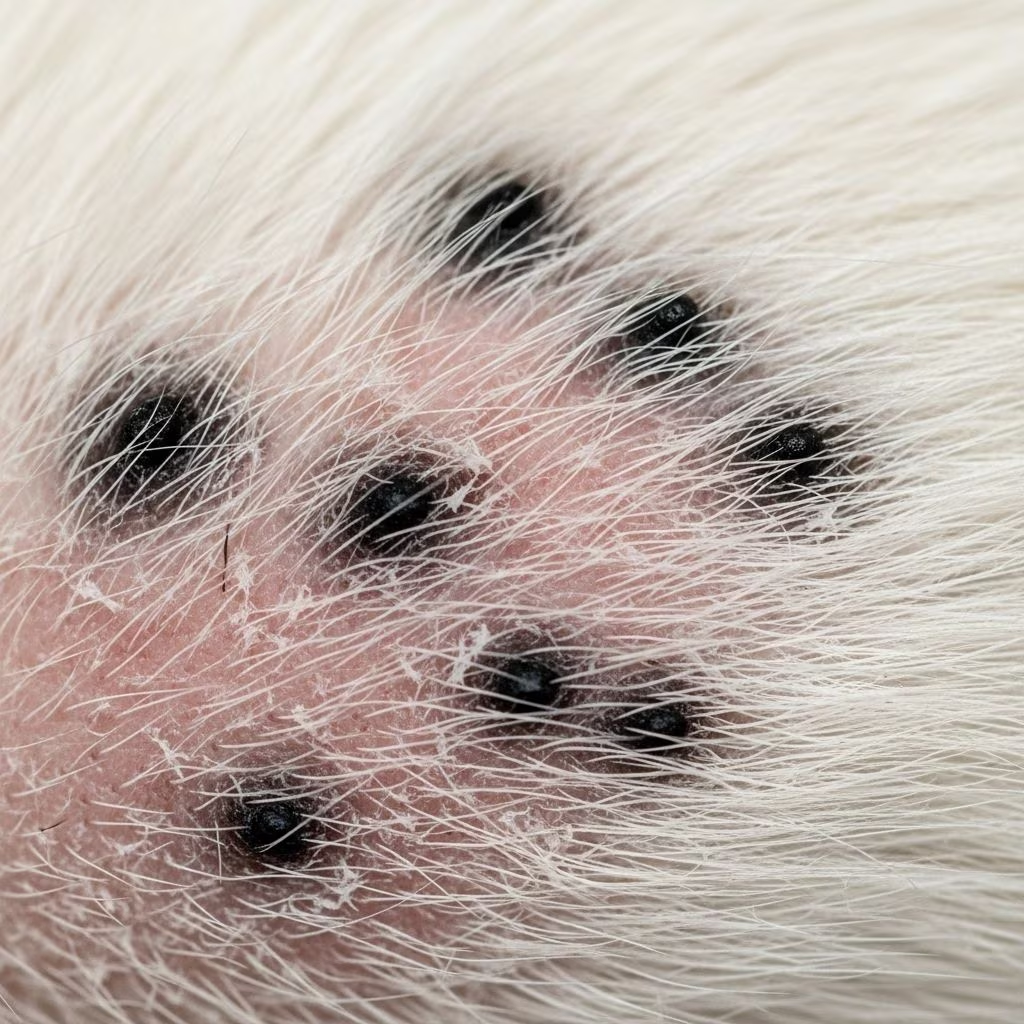
Black spots on your dog’s skin can be alarming, but they’re often a sign of **hyperpigmentation**, where excess melanin darkens the skin. This condition, also called **lichenification** in chronic cases, results from ongoing inflammation, allergies, infections, or hormonal issues. While some spots are harmless breed traits, others indicate underlying problems needing veterinary attention. Early diagnosis prevents progression and restores skin health.
What Causes Black Spots on a Dog’s Skin?
Hyperpigmentation occurs when melanocytes produce more pigment as the skin thickens to protect against irritation. It develops over weeks or months from chronic issues. Common triggers include:
- Skin allergies: Food, environmental allergens (pollen, dust), or flea bites cause itching, redness, and eventual darkening. Even managed allergies can lead to progressive spots.
- Infections: Bacterial, fungal (Malassezia yeast), or pythiosis create black patches with hair loss, odor, and pustules. Yeast overgrowth often follows disrupted skin flora from inflammation.
- Parasites: Fleas, mites (demodicosis), or lice provoke itching, secondary infections, and lichenification.
- Hormonal disorders: Hypothyroidism (underactive thyroid), Cushing’s disease (overactive adrenals), or post-spay/neuter changes cause symmetrical darkening, often without itching.
- Seborrhea: Oily or dry flakes from excess sebum or poor cell turnover lead to dark, scaly spots.
- Trauma or breed traits: Surgical scars or genetic pigmentation in breeds like Labradors may darken innocently.
Primary hyperpigmentation (genetic) is rare and flat; secondary types from inflammation are velvety, thickened, and itchy.
Symptoms of Hyperpigmentation in Dogs
Beyond dark patches, watch for:
- Itching, scratching, or licking affected areas.
- Hair loss (alopecia) revealing spots on belly, legs, armpits, or groin.
- Redness, swelling, or greasy/odorful skin.
- Flakes, scales, or epidermal collarettes (crusty rings with dark centers).
- Thickened, leathery texture (lichenification).
- Secondary signs like lethargy (hormonal issues) or foul smell (infections).
| Symptom | Possible Cause | Severity |
|---|---|---|
| Black spots + itching | Allergies/infections | High – treat promptly |
| Darkening no itch | Hormonal/breed | Moderate – monitor |
| Spots + hair loss + odor | Yeast/bacterial | High – vet urgent |
Spots often start brown, turning black as they thicken. Locations: friction areas like elbows, axillae.
Is It Serious? When to See a Vet
Not all spots are emergencies, but consult a vet if:
- Spots spread rapidly or cover large areas.
- Accompanied by itching, infection signs, or behavioral changes.
- Your dog is a breed prone to allergies (e.g., Bulldogs, Retrievers) or seniors (hormonal risks).
Untreated, chronic inflammation worsens lichenification, risking permanent changes. Vets rule out cancer (rare melanoma) via biopsy.
Diagnosis of Black Spots on Dogs
Vets perform:
- Physical exam: Skin scrapes, cytology for yeast/bacteria.
- Allergy tests or elimination diets.
- Bloodwork for thyroid/hormones (TSH, T4, ACTH stimulation).
- Fungal cultures or biopsies for pythiosis/demodex.
Early detection identifies root causes like allergies (60% of cases).
Treatment Options for Dog Skin Hyperpigmentation
No cure for primary type, but secondary resolves by addressing causes:
- Treat underlying issue:
- Allergies: Antihistamines, apoquel, cytopoint injections, hypoallergenic diets.
- Infections: Antibiotics (cephalexin), antifungals (fluconazole), ectoparasiticides (Bravecto).
- Hormones: Levothyroxine for hypothyroidism, trilostane for Cushing’s.
- Topical therapies: Medicated shampoos (chlorhexidine, miconazole) 2-3x/week; steroid creams for inflammation. Products restore microbiome (e.g., with Seboliance).
- Maintenance: Omega-3 supplements, moisturizers to prevent flares. Improvement takes 4-8 weeks; full reversal months.
Relapse high if root cause persists. Combine orals/topicals for best results.
Home Remedies and Prevention
Support vet care with:
- Bathing: Gentle oatmeal shampoos weekly; avoid overbathing.
- Diet: Novel protein foods, probiotics for gut-skin axis.
- Flea control: Monthly preventives year-round.
- Environment: Hypoallergenic bedding, air filters.
- Moisturize: Vet-approved sprays for dry skin.
Prevent by annual wellness exams, allergy screening in itchy breeds.
FAQs
Are black spots on my dog’s skin cancer?
Rarely; most are benign hyperpigmentation. Raised, ulcerated spots need biopsy to rule out melanoma.
Can hyperpigmentation go away on its own?
Yes, if underlying cause (e.g., allergy) resolves; otherwise, it persists or worsens.
What shampoos help black spots on dogs?
Antimicrobial (benzoyl peroxide, chlorhexidine) or soothing (phyto-oils) formulas, used 2-3x/week per vet advice.
Is it contagious?
No, hyperpigmentation isn’t; treat secondary infections/parasites to prevent spread.
How long for treatment to work?
Visible improvement in 2-4 weeks; full recovery 1-6 months with consistent care.
References
- Black spots on dog’s skin… is it serious? — DOUXO. 2023. https://www.douxo.com/sg_en/your-dog-s-skin/black-spots
- Pythiosis in Dogs: Causes, Symptoms, and Treatment — PetCareRx. 2023. https://www.petcarerx.com/article/phythiosis-in-dogs-causes-symptoms-and-treatment/6816
- What are these dark patches on my dog’s skin? — Friendly Animal Clinic (Greensboro NC Vet). 2024-02-28. https://www.greensboroncvet.com/site/friendly-animal-clinic-blog/2024/02/28/hyperpigmentation-black-spot-dog-skin
- Why is my dog’s skin turning black? — Animerge Vets. 2024-01-30. https://www.animergevets.com/site/blog/2024/01/30/dog-hyperpigmentation
- Hyperpigmentation & Black Spots On Dogs — Yolinda Vet. 2023-06-15. https://www.yolindavet.com/site/blog/2023/06/15/hyperpigmentation-dogs
- Hyperpigmentation in Dogs — Irvine Pet Hospital. 2024-07-15. https://www.irvinepetcomplex.com/site/blog/2024/07/15/hyperpigmentation-dogs
- Hyperpigmentation in Dogs — PetMD. 2024. https://www.petmd.com/dog/conditions/skin/hyperpigmentation-dogs



