

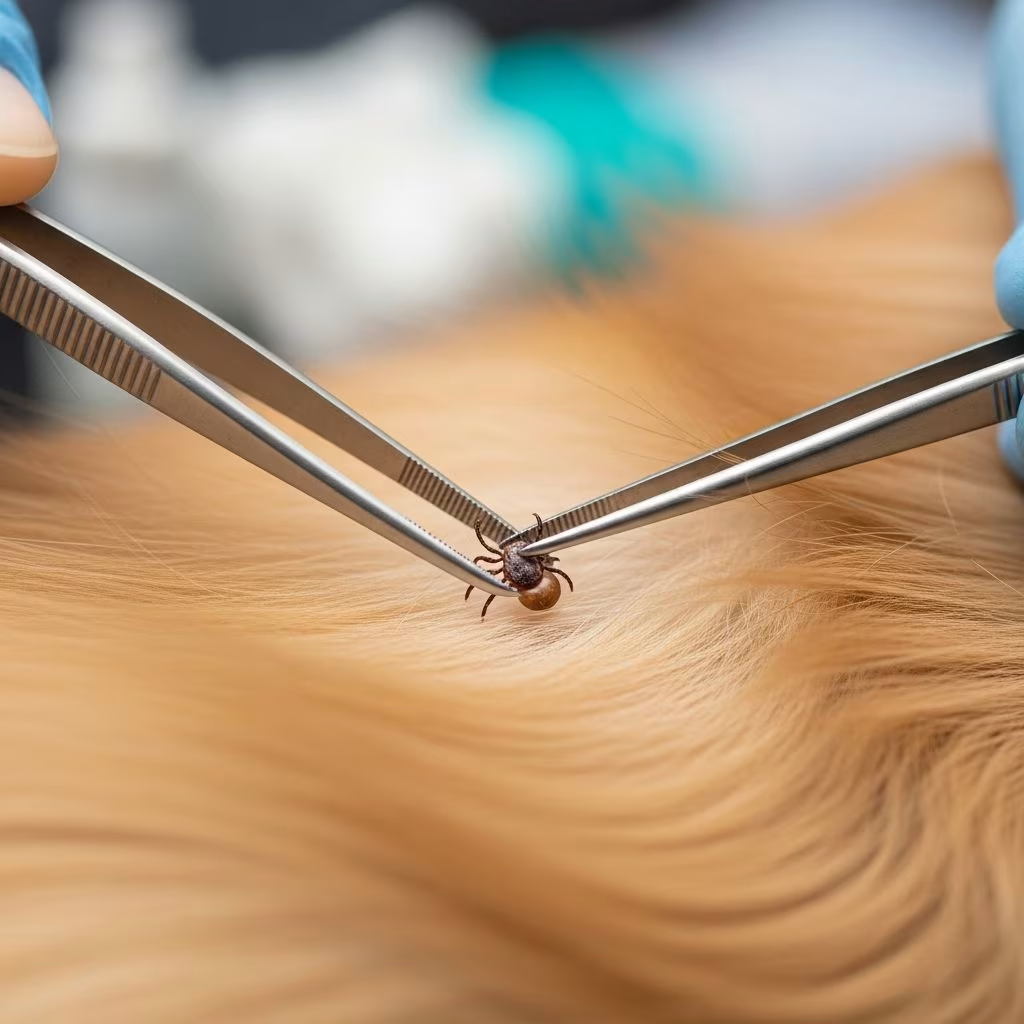
Ticks pose a significant health risk to dogs, potentially transmitting diseases like Lyme disease if not removed promptly and correctly. The **best way to remove a tick** from your dog involves using fine-tipped tweezers or a specialized tick removal tool to grasp the tick as close to the skin as possible and pull steadily upward without twisting. This method minimizes the risk of leaving mouthparts behind or injecting more saliva into the bite site.
Improper removal can increase infection risks or disease transmission, making it crucial for dog owners to learn proper techniques. This comprehensive guide covers tick removal tools, step-by-step instructions, common myths, post-removal care, prevention strategies, and FAQs to keep your furry friend safe.
Tick Removal Tools
Several specialized **tick removal tools** make the process safer and more efficient than using household items alone. These tools are designed to grip the tick securely near the skin surface, reducing pain for your dog and the chance of incomplete removal.
- Grasping tools: Fine-tipped tweezers or small curved hemostats allow you to grab the tick close to the attachment point. These are widely available and effective for most ticks.
- Grasping-and-rotation tools: Featuring jaws that open and close like a pen clicker, these rotate the tick out. They work well for larger ticks but may be bulkier for tiny ones.
- Slit tools: V-shaped notches fit between the tick’s head and body, ideal for ticks of all sizes without squeezing the body.
- Slit-and-rotation tools: Hook-shaped with a notch for gripping and twisting, resembling tiny crowbars for smooth extraction.
Always follow the manufacturer’s instructions for your chosen tool. Many brands provide demonstration videos online, ensuring you use it correctly to avoid harming your dog’s skin. If unprepared, standard fine-tipped tweezers from a first-aid kit suffice, but avoid blunt ones that might pinch the skin.
How to Remove Ticks from Dogs at Home
Removing ticks at home is straightforward with the right approach. The goal is painless extraction without squeezing the body (which releases infectious fluids) or leaving the head embedded.
- Prepare your dog: Calm your pet with treats and gentle restraint. Part the fur to expose the tick fully.
- Select and position the tool: For tweezers, grasp the tick mouthparts as close to the skin as possible—never the swollen body. For slit tools, slide the notch under the tick.
- Remove steadily: Pull upward with even, firm pressure. For rotation tools, twist gently in a circular motion until the tick releases. Do not jerk, twist haphazardly, or squeeze.
- Inspect the site: Ensure no mouthparts remain. A small red mark is normal, but embedded parts require veterinary attention.
The entire process should take seconds if done right. Reward your dog immediately to build positive associations. If the tick is in a sensitive area like near the eyes or genitals, seek professional help to avoid injury.
How to Get Rid of a Tick After Removing It from Your Dog
Safe disposal prevents reattachment and environmental spread. Never crush the tick with fingers, as this aerosolizes potentially infectious blood.
- Submerge in rubbing alcohol: Kills instantly; ideal for multiple ticks.
- Seal in an airtight container: For preservation if testing for diseases is needed.
- Flush down the toilet: Ensures complete elimination.
- Wrap in tape: Use duct or packing tape for a tight seal before discarding.
Avoid dropping ticks outside, as they can survive and bite again. If concerned about tick-borne diseases, save the tick in alcohol for your vet to identify.
Removing a Tick from a Dog by Pulling with Fingers
Using blunt fingers is **not recommended**. This method often squeezes the tick’s body, causing regurgitation of disease-carrying fluids back into the wound. It also heightens the risk of leaving mouthparts, leading to irritation or infection. Fine-tipped tools provide better precision and safety.
Removing a Tick from a Dog Using Heat
Applying a lit match, hot needle, or heat source near the tick is dangerous and ineffective. Ticks do not “back out” from heat; instead, discomfort may cause them to salivate more, injecting pathogens. This risks burns to your dog’s skin.
Removing a Tick from a Dog with Vaseline
Coating the tick with petroleum jelly (Vaseline) aims to suffocate it but fails in practice. Ticks breathe through their legs and can survive longer, prolonging attachment. The greasy coating also makes grasping slippery and difficult.
Removing a Tick from a Dog with Alcohol, Oil, or Nail Polish
These substances irritate but do not prompt quick detachment. Prolonged exposure increases saliva injection and disease risk. They can also harm the dog’s skin or cause allergic reactions. Stick to mechanical removal for efficiency.
What to Do After Removing a Tick from a Dog
Post-removal care prevents complications. Clean the bite site thoroughly with mild soap and warm water or antiseptic wipe, then apply antibiotic ointment if available. Monitor for 24-48 hours for redness, swelling, or pus indicating infection.
Observe your dog for 2-4 weeks for tick-borne disease symptoms: fever, lethargy, joint pain, loss of appetite, or lameness. Contact your vet immediately if noticed, providing details like tick appearance and location. No routine antibiotics are needed unless symptoms appear, per veterinary guidelines.
Treat your dog to positive reinforcement for cooperation. Full-body tick checks become routine after hikes or wooded walks.
Tick Prevention Tips for Dogs and Yards
Prevention is key to avoiding ticks altogether. Use vet-recommended preventatives like topical spot-ons, oral medications, or collars that kill ticks on contact.
- Daily checks: Run hands over your dog’s coat, focusing on ears, armpits, groin, and between toes.
- Yard maintenance: Mow grass short, remove leaf piles, create gravel/mulch barriers to woods, secure against wildlife.
- Avoid high-risk areas: Stick to trail centers during peak tick season (spring-fall).
- Grooming: Bathe with tick-repellent shampoos post-outdoors.
Combine methods for layered protection. Consult your vet for region-specific advice, as tick species vary.
Frequently Asked Questions (FAQs)
How long does it take for tick-borne symptoms to appear?
Symptoms typically emerge in 1-3 weeks, varying by disease like Lyme or anaplasmosis.
Can you use Vaseline to remove a tick?
No, Vaseline is ineffective and risky. Use tick tools for safe removal.
What if I can’t remove the whole tick?
If mouthparts remain, clean the area and monitor. See a vet if irritation persists.
Do oral tick preventatives kill attached ticks?
Yes, they often kill ticks within 24-48 hours before full disease transmission.
Should I see a vet after every tick removal?
Not unless symptoms appear or removal was incomplete. Monitor closely.
References
- 5 Myths About Ticks on Dogs — Kinship. 2023. https://www.kinship.com/dog-health/ick-its-tick-my-dog
- Best Way to Remove a Tick From a Dog — Kinship. 2023. https://www.kinship.com/dog-health/dog-health-best-way-to-remove-a-tick-from-a-dog
- How To Spot, Remove And Prevent Ticks | Vet Tips — ManyPets (YouTube). 2023-10-15. https://www.youtube.com/watch?v=CcrOd6_c6dE
- How To Remove a Tick | Pet Health Advice — PDSA (YouTube). 2023. https://www.youtube.com/watch?v=sGDN5IAyngA
- Ticks on Dogs: Keep Your Dog Safe With These Prevention Tips — Kinship. 2023. https://www.kinship.com/dog-health/ticks-on-dogs



