
Dog Harnesses for Better Leash Walking
Discover how dog harnesses transform chaotic walks into enjoyable, controlled outings while prioritizing your pet's comfort and safety.
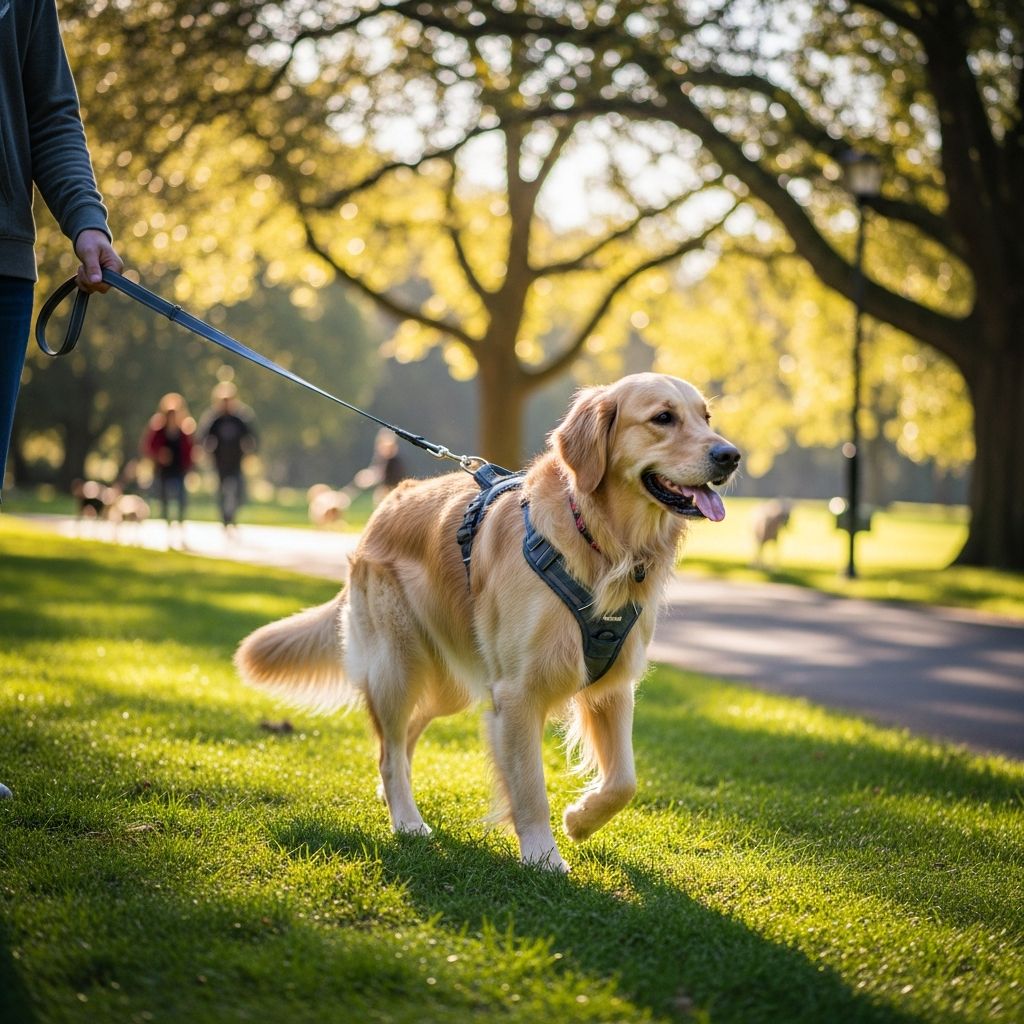
Switching to a dog harness can revolutionize your daily walks, making them safer and more enjoyable for both you and your canine companion. Unlike traditional collars, harnesses distribute pressure evenly across the body, reducing strain on the neck and promoting calmer leash manners.
Why Harnesses Outperform Collars on Walks
Collars concentrate force around the throat, which can lead to discomfort or injury during pulls. Harnesses, by contrast, secure around the chest and torso, giving owners better leverage without harming delicate structures like the trachea. This design discourages forward lunging, as pulling lifts the front legs rather than propelling the dog ahead, teaching proper pacing over time.
For active dogs, the even weight distribution eases arm and back strain on handlers, especially with larger breeds like Labradors or German Shepherds. Small breeds prone to neck issues, such as Yorkshire Terriers, benefit immensely, avoiding risks like collapsed tracheas from sudden jerks.
Key Benefits for Everyday Use
- Enhanced Safety: Prevents accidental escapes since harnesses wrap the full body, unlike collars that may slip off during intense pulls.
- Improved Control: Front-clip models redirect pulling dogs toward the handler, fostering loose leash habits without force.
- Comfort for All Ages: Puppies explore safely without collar tangles, while seniors receive gentle lifting support via built-in handles.
- Distraction Management: Ideal for hikes or crowded areas, keeping reactive dogs focused and secure.
These advantages extend beyond walks; harnesses support mobility for dogs with joint concerns, allowing upward lifts that spare sensitive areas.
Types of Harnesses Suited to Leash Training
Selecting the right harness depends on your dog’s size, behavior, and activity level. Here’s a comparison:
| Type | Best For | Features | Drawbacks |
|---|---|---|---|
| Front-Clip No-Pull | Pullers, training | Gentle redirection, trachea protection, free shoulder movement | May need adjustment period |
| Back-Clip Standard | Calm walkers, sports | Simple design, good for nosework or diving | Less pull control |
| Step-In Harness | Puppies, small dogs | Easy on/off, even pressure distribution | Less secure for strong pullers |
| Double-Connection | Strong/large dogs | Front and back clips for versatility | Bulkier fit |
Front-clip options shine for loose leash goals, using physics to turn the dog’s body sideways on pulls, naturally halting progress.
Fitting Your Dog for Maximum Effectiveness
A poorly fitted harness can cause chafing or restrict movement. Measure your dog’s girth behind the front legs and across the shoulders. Straps should sit away from elbows and shoulders to preserve natural gait—critical for growing pups. Key checks include:
- Two fingers between straps and skin for comfort.
- Snug but not tight; you should lift the dog slightly by the harness without slipping.
- Free arm movement; avoid designs pressing on joints.
Introduce gradually with treats to build positive associations, especially for harness-shy dogs.
Training Techniques with a Harness
Harnesses amplify positive reinforcement training. Start indoors: clip the leash, reward calm standing, then short walks with treats for loose leash. Outdoors, stop when tension occurs—resume only on slack. Pair with cues like “let’s go” for desired behavior.
For reactive dogs, use a long line attached to the harness for recall practice, building reliability without neck strain. Consistency yields loose leash walking in weeks, strengthening your bond through rewards.
Addressing Common Challenges
Pulling Persists: No tool fixes behavior alone; combine with stop-and-go methods. Dual-clip harnesses offer extra management for power pullers.
Fit Issues: If straps rub shoulders, switch to balanced designs positioning away from joints.
Sensitivity: Rare dogs shut down with gear; condition slowly or revert to flat collars temporarily.
Harnesses aren’t cure-alls but excel as training aids when paired with patience.
Special Considerations by Dog Profile
Puppies
Young explorers need secure yet comfy restraint. Harnesses prevent self-injury during enthusiastic tugs, paired with treat-based intros.
Senior or Injured Dogs
Handles aid lifting for arthritic pets; pressure-free design suits trachea issues in small breeds.
Active or Sporty Dogs
Back-clip models support nosework, dock diving, or barn hunt, where independent focus matters.
Maintenance and Longevity Tips
Wash regularly to prevent skin irritation. Inspect for wear, especially clips and stitching. Rotate if your dog has multiple for varied activities.
Frequently Asked Questions
Can all dogs use harnesses?
Most yes, but consult a vet for severe mobility issues. They’re superior for pullers and neck-sensitive breeds.
How long until loose leash walking improves?
Weeks with consistent training; harness aids but rewards drive change.
Are no-pull harnesses humane?
Yes, they redirect gently without pain, unlike aversive collars.
Harness vs. collar for car rides?
Harnesses often secure better to seatbelts, enhancing safety.
Best for brachycephalic breeds like Pugs?
Essential; avoids eye prolapse risks from neck pressure.
References
- Benefits of Using a Dog Harness — Positive Pets Boise. Accessed 2026. https://www.positivepetsboise.com/benefits-of-using-a-dog-harness/
- The Benefits of Positive Reinforcement Dog Training — 2 Hounds Design. Accessed 2026. https://2houndsdesign.com/blogs/blog/the-benefits-of-positive-dog-training
- The Pros and Cons of Using a Dog Harness — Harmony Animal Hospital. 2020-10-23. https://www.harmonyanimalhospital.net/pros-cons-using-dog-harness/
- BENEFITS OF WEARING A DOG HARNESS — OneTigris Dog Gear. Accessed 2026. https://doggear.onetigris.com/blogs/news/benefits-of-wearing-a-dog-harness
- Harness the Benefits of a Harness — Petworks. Accessed 2026. https://www.petworks.com/articles/benefits-of-a-harness/
- How Dog Harnesses Improve Your Walks — Dog Friendly Co. Accessed 2026. https://www.dogfriendlyco.com/blogs/articles/how-dog-harnesses-improve-your-walks
- Dog Harness vs Collar: Which Is Right For Your Dog? — American Kennel Club (AKC). Accessed 2026. https://www.akc.org/expert-advice/training/dog-harness-vs-collar/
- Harnesses: The good, the bad, and the ugly — Happy Hound University. Accessed 2026. https://www.happyhounduniversity.com/single-post/harnesses-the-good-the-bad-and-the-ugly
Similar Articles








Read full bio of Sneha Tete




