

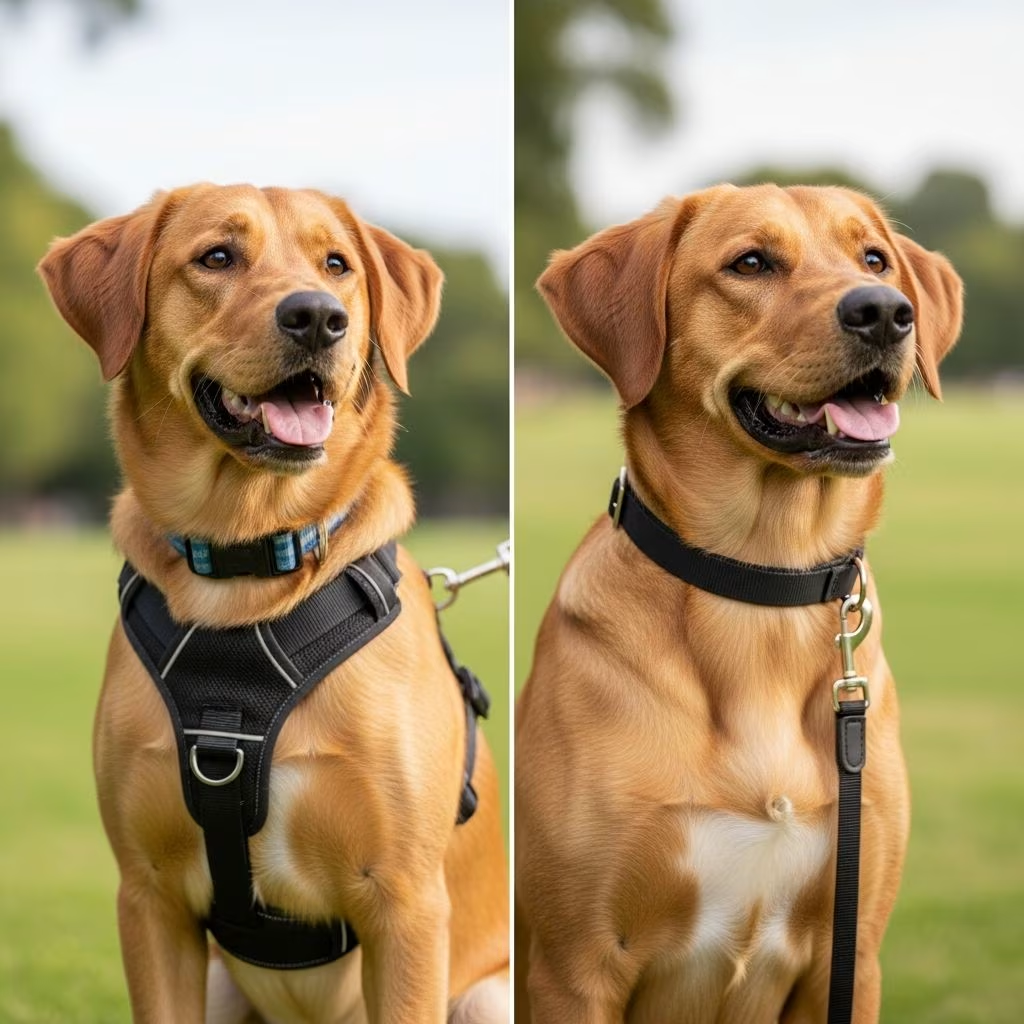
Picking between a dog harness and a dog collar can feel like a small decision, but it has a big impact on your dog’s comfort, safety, and behavior on walks. Both tools have benefits, both have drawbacks, and the best choice depends on your dog’s size, health, training level, and walking style.
This guide walks through the key differences between harnesses and collars, how they affect your dog’s body, which dogs do best in each, and how to decide what to use in everyday life.
Harness vs Collar: What’s the Difference?
A collar sits around your dog’s neck and is usually the everyday piece of gear that holds your dog’s ID tags and rabies tag. A harness wraps around the chest and torso, shifting the main area of pressure away from the neck and onto the body.
- Collar: A strap around the neck with a buckle or clasp and a ring for the leash and ID tags.
- Harness: Straps or padded panels that fit around the chest and shoulders, often with one or more leash clip points on the back and/or front of the chest.
At a glance, the main difference is where the pulling force from the leash is applied: the neck for collars, the body for harnesses. That difference matters most for dogs that pull, have breathing issues, or are still learning leash skills.
Pros and Cons of Dog Collars
Dog collars are still the default choice for many owners, especially for quick outings or for dogs with excellent leash manners. They are simple, familiar, and always needed for identification.
Benefits of Dog Collars
- Easy to put on and leave on: Collars can stay on all day, so you always have a place for ID tags and licenses.
- Lightweight and low bulk: Many dogs barely notice a flat collar; this can be helpful for sensitive or anxious dogs.
- Quick for short trips: For a brief walk to potty or a car ride, clipping to a collar is fast and convenient.
- Lower effort for some handlers: Collars can provide more direct control and may require less physical strength than harnesses with some dogs.
- Wide variety of styles: Buckle collars, quick-release collars, and martingale designs allow options for different neck shapes and coat types.
Drawbacks and Risks of Dog Collars
Collars place pressure on the neck, which holds the windpipe, thyroid, blood vessels, and the cervical spine. This becomes a concern when a dog pulls, hits the end of the leash, or is walked on a tight leash.
- Risk of neck and throat injury: Repeated pressure on the neck can irritate the trachea (windpipe) and may contribute to coughing, airway irritation, or discomfort in some dogs, particularly small dogs or chronic pullers.
- Not ideal for dogs that pull: Dogs that lunge or lean into the leash concentrate force on sensitive structures in the neck. Many trainers and vets prefer harnesses in these cases.
- Escape risk with some body types: Dogs with narrow heads compared with their necks (like Greyhounds and Whippets) can slip out of flat collars if they back up or startle.
- Health concerns for certain conditions: Collars may not be appropriate for dogs with existing neck, spinal, or respiratory disease.
For these reasons, organizations and trainers increasingly recommend using collars primarily for identification, and relying on a harness for most leash walking, especially with dogs that pull or have any respiratory or spinal concerns.
Pros and Cons of Dog Harnesses
Harnesses shift leash pressure away from the neck and spread it across the chest and torso. For many dogs, this is more comfortable and safer, particularly when they pull or make sudden movements.
Benefits of Dog Harnesses
- Protects the neck and throat: Because the leash attaches to the chest or back, harnesses reduce the risk of pressure on the trachea and delicate neck structures.
- Better for pullers: Harnesses are generally recommended for dogs that pull, and certain designs (especially front-clip harnesses) help discourage pulling by redirecting the dog’s body.
- Improved control: Distributing force across the torso can give handlers more control over large or strong dogs without concentrating force on the neck.
- Helpful for small and toy breeds: Small dogs, whose windpipes are relatively delicate, are often safer on a harness than on a collar when they pull or cough.
- Can aid dogs with back or mobility issues: Properly fitted harnesses can help avoid worsening neck or back pain, and some harnesses include handles to assist dogs with mobility problems.
Drawbacks of Dog Harnesses
- More complex to fit and use: Many harnesses have multiple straps and buckles, and putting them on correctly takes practice. An incorrectly fitted harness can rub or allow escape.
- Can require more strength from the handler: With some dogs, especially very strong ones, the leverage of a harness may require more physical effort to control than a collar might.
- Potential for chafing: Straps that sit behind the front legs or across the shoulders can rub the skin if the harness is too loose, too tight, or worn for very long periods.
- Bulk and heat: Harnesses cover more of the body, which may feel warm or heavy in hot weather, especially for long-haired breeds.
Despite these drawbacks, many veterinary and training resources point to harnesses as a safer default for dogs that pull or have respiratory or spinal vulnerabilities.
Health and Safety: How Gear Affects Your Dog’s Body
Choosing between a collar and harness isn’t just about convenience. It’s also about how each tool affects your dog’s health, breathing, and movement.
Neck, Spine, and Airway
Repeated pressure from a collar, especially in dogs that pull or are jerked on the leash, can irritate the trachea and may worsen some airway conditions. Small dogs and brachycephalic (short-nosed) breeds are particularly vulnerable because they already have narrower or more obstructed airways.
Harnesses reduce neck pressure by shifting the load to the chest. This is one reason they are strongly favored for dogs with known airway disease, chronic coughing, or a history of collapsing trachea.
Dogs with Respiratory or Orthopedic Issues
- Respiratory disease: Dogs with tracheal collapse, laryngeal paralysis, or brachycephalic airway syndrome often benefit from walking on a harness instead of a collar.
- Back or neck pain: In dogs with cervical or thoracic spine issues, minimizing sudden neck force is important; harnesses are typically recommended.
- Senior dogs or mobility issues: Support harnesses can help lift or steady older dogs when walking or climbing stairs.
Behavior, Training, and Comfort
Gear also affects how easily you can teach your dog to walk politely on leash. Some harnesses are designed to help with training by gently redirecting the dog’s chest when they pull. Harnesses generally do not cause pulling; dogs pull because it gets them where they want to go. However, by avoiding pressure to the throat and giving you more control over the body, harnesses can make training safer and more comfortable for many dogs.
Which Dogs Do Better in Collars?
There are situations where a collar is an appropriate primary walking tool, especially when paired with thoughtful training.
- Well-trained adult dogs: Dogs that already walk politely on a loose leash and rarely pull can often be walked safely on a flat collar.
- Short, calm outings: For quick trips outdoors where pulling is unlikely, a collar may be sufficient.
- Owners with limited mobility or strength: Some handlers find a collar easier to manage than a multi-strap harness, especially if harnesses are difficult to put on or remove.
Even for these dogs, many experts still recommend combining a collar for identification with a harness for most leash walking, especially in busy or distracting environments.
Which Dogs Benefit Most from Harnesses?
For many dogs, especially those that are strong, excitable, or physically vulnerable, harnesses are the better everyday choice.
- Dogs that pull or lunge: Harnesses that attach at the chest or have no-pull features help redirect the dog’s movement without concentrating force on the neck.
- Small and toy breeds: Their smaller windpipes and more fragile neck structures make neck pressure more risky; harnesses are frequently recommended.
- Brachycephalic (short-nosed) breeds: Bulldogs, Pugs, and similar breeds already have compromised airways, so avoiding additional neck pressure is important.
- Large, powerful dogs: Distributing force across the torso gives handlers safer leverage and more control when big dogs pull or make sudden movements.
- Dogs with medical concerns: Any dog with a history of neck, spine, or airway issues is generally safer walking on a harness rather than a collar.
Harness vs Collar: Quick Comparison
| Feature | Collar | Harness |
|---|---|---|
| Main pressure area | Neck and throat | Chest, shoulders, and torso |
| Best use | ID tags, trained dogs, quick outings | Daily walks, pullers, dogs with health issues |
| Injury risk when pulling | Higher risk to neck and airway | Lower risk to neck, better weight distribution |
| Ease of use | Very easy, stays on dog | More complex to fit and adjust |
| Control over large dogs | Direct neck control, but higher risk | More body control; may require more strength |
How to Choose Between a Harness and a Collar
Rather than asking which tool is universally “better,” it helps to ask which is better for your individual dog in specific situations.
Questions to Ask Yourself
- Does my dog pull, lunge, or hit the end of the leash frequently?
- Does my dog have any known breathing, neck, or back problems?
- Is my dog a small, toy, or brachycephalic breed?
- How much physical strength and dexterity do I have for walking and for putting gear on?
- In what environments do we usually walk (busy streets, quiet yards, dog parks)?
Dogs that pull, have health issues, or are very small or short-nosed are usually better off in a harness. Calm, well-trained dogs with no relevant health problems may be comfortable and safe on a collar for many outings. Many owners ultimately use both: a collar for ID and a harness for walking.
Using Harnesses and Collars Together
In everyday life, you do not need to choose only one tool forever. Many dog professionals recommend a combination approach:
- Collar for ID and legal tags: Leave a properly fitted flat collar on your dog (with safety in mind at home) so ID tags are always present.
- Harness for walks and training: Clip the leash to a harness for most walks, especially in busy or distracting areas, or when working on leash manners.
- Adjust as your dog changes: Puppies, seniors, and dogs recovering from injury may need different setups at different times.
If you are unsure what is safest for your dog, a discussion with your veterinarian or a certified trainer can help you weigh your dog’s specific risks and needs.
Frequently Asked Questions (FAQs)
Q: Is a harness always safer than a collar?
A: A well-fitted harness is generally safer than a collar for dogs that pull, have respiratory or neck issues, or are very small or short-nosed, because it avoids direct pressure on the neck. For calm, leash-trained dogs with no health concerns, a flat collar can also be appropriate when used carefully.
Q: Can a harness make my dog pull more?
A: Dogs pull because pulling works for them, not simply because they are wearing a harness. Harnesses are often chosen because they reduce injury risk when a dog pulls, and front-clip or no-pull harness designs can help redirect and manage pulling more safely.
Q: Should my puppy start with a collar or a harness?
A: Many trainers start puppies on a flat collar and short leash for basic leash skills, but a harness is strongly recommended for any puppy that pulls, coughs on the leash, or belongs to a small or short-nosed breed. You can safely use both together: collar for ID, harness for most walks.
Q: How do I know if my dog’s harness fits correctly?
A: You should be able to slide two fingers between your dog and each strap. The harness should not rub behind the elbows, gape at the chest, or restrict shoulder movement. If you are unsure, ask a vet or trainer to check the fit during a visit.
Q: Can my dog wear a harness all day?
A: It is usually more comfortable and safer to remove the harness when your dog is resting at home, especially if it is bulky, padded, or likely to catch on objects. Many owners leave a flat collar on for ID and only use the harness for walks or outings.
References
- Dog Harnesses and Dog Collars: Which Is Right For Your Dog? — American Kennel Club. 2022-06-23. https://www.akc.org/expert-advice/training/dog-harness-vs-collar/
- Harness vs. Collar: Understanding the Differences for Large Dogs — Canada Pooch. 2023-08-10. https://canadapooch.com/blogs/news/harness-vs-collar-understanding-the-differences-for-large-dogs
- Dog Collar Vs Dog Harness: Which Is Best? — Pooch & Mutt. 2023-02-14. https://www.poochandmutt.co.uk/blogs/lifestyle/dog-collar-vs-dog-harness-which-is-best
- What Are the Benefits of Using a Dog Harness vs. a Collar? — International Boarding & Pet Services Association (IBPSA). 2024-03-15. https://www.ibpsa.com/blog/2024/03/15/what-are-the-benefits-of-using-a-dog-harness-vs-a-collar/
- Collar vs Harness: My View as a Professional Dog Trainer — DogRelations New York City. 2021-10-04. https://dogrelationsnewyorkcity.com/blog/2021/10/04/collar-vs-harness-my-view-as-a-professional-dog-trainer/



