

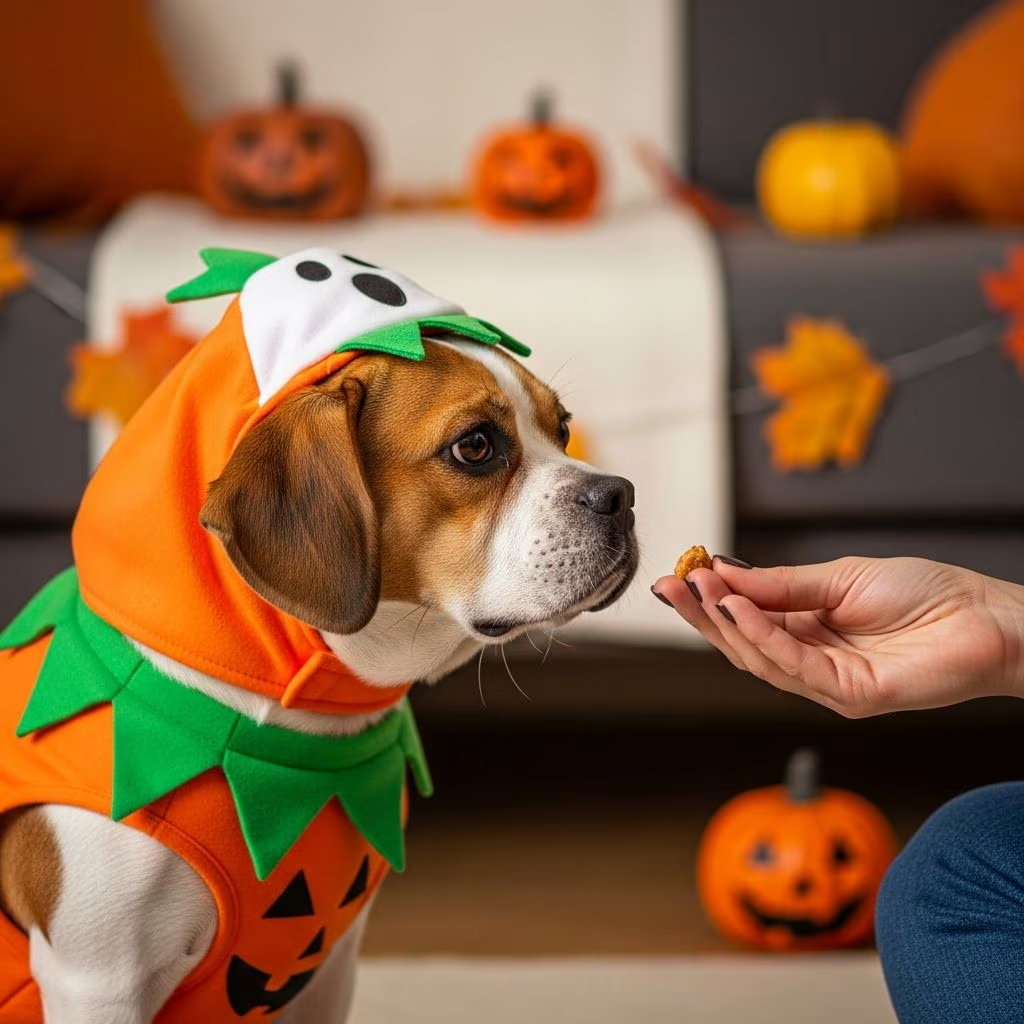
Halloween brings excitement with costumes, doorbells, and trick-or-treaters, but it can overwhelm dogs sensitive to new sounds, sights, and smells. Professional trainers recommend proactive preparation through targeted training like settle mats, whistle cues, desensitisation, and interruption techniques to help your dog stay calm and confident.
Why prepare your dog for Halloween?
Dogs thrive on routine, but Halloween disrupts it with constant door knocks, laughing crowds, unfamiliar costumes, and heightened energy. Without preparation, even well-behaved dogs may bark excessively, hide, or react fearfully, leading to stress for everyone. Early training builds positive associations, turning potential triggers into manageable events. Trainers like James from dogtrainingessex-suffolk.co.uk emphasise starting simple to create reliable behaviours.
Key benefits include reduced barking at the door, comfort around costumes, and safer interactions with visitors. Puppies or rescue dogs experiencing their first Halloween benefit most, as desensitisation prevents long-term fears. Commit to 10-15 minute daily sessions in the weeks leading up—consistency yields results.
Introduce a settle mat
A settle mat trains your dog to relax on a designated spot, ideal for doorbell moments. Choose a non-slip mat or bed in a quiet area near the door. Certified trainer James outlines these steps:
- Basic association: Place the mat down and say “stand by the mat.” When your dog steps on it, say “good job” (or “yes”) and drop a high-value treat directly on the mat. Repeat 10-20 times per session until they eagerly approach.
- Add positions: Once comfortable, cue a “sit” or “down” on the mat. Reward staying in position, gradually increasing duration from 5 seconds to minutes.
- Incorporate triggers: Start without noises, then pair with low-volume doorbell recordings. Progress to real rings or knocks, rewarding calm behaviour.
Practice in short, positive bursts to avoid overwhelm. Over time, the mat becomes a safe haven your dog seeks during festivities.
Whistle training
Whistles provide a clear, audible cue penetrating Halloween noise, directing your dog to the mat instantly. This versatile tool works beyond holidays for recall in distractions. Trainer James breaks it down:
- Close proximity: With your dog near, blow the whistle sharply and immediately deliver a treat. Repeat until whistle predicts food eagerly.
- Mat integration: Stand by the mat, whistle, and drop treats on it. Build the link between sound, mat, and reward.
- Verbal cue: As paws touch the mat post-whistle, say “mat,” praise, and treat.
- Build distance: Step away, whistle, cue “mat,” and reward success from afar.
- Test with trigger: Ring the doorbell, whistle, cue mat. If they falter, regress a step—progression must match confidence.
Use a pea-less whistle for consistency. Sessions of 5 minutes daily prevent fatigue while embedding the cue deeply.
Desensitisation
Desensitisation gradually exposes dogs to Halloween sounds, preventing fear responses. Joe Nutkins, accredited behaviourist, advises using apps or YouTube for crowd laughter, talking, and doorbells.
- Setup: Play sounds low from a windowsill or door area, mimicking real sources.
- Positive pairing: Engage in fun play or training with treats during playback. Keep initial sessions short (2-5 minutes).
- Volume increase: Gradually raise volume over days as your dog remains relaxed, always associating noise with positivity.
For first-timers, start weeks ahead. Monitor body language—yawning, lip-licking signal stress; dial back immediately. This exposure therapy builds resilience like human CBT.
Using interruption
Interruption redirects attention mid-bark, teaching dogs to check in with you. Joe Nutkins details the process:
- Capture attention: At barking triggers (window/door noises), use rustling treats, toy squeaks, whistles, or claps—find your dog’s favourite.
- Reward check-in: The instant they pause and look, praise lavishly and treat.
- Redirect: Move away from the trigger, cue tricks like sit, stay, or fetch.
- Release: End with “OK, all done” and resume normalcy.
Practice daily on mild triggers first. High input initially pays off in reliable calm during chaos.
Halloween night: training and management
On the night, combine techniques with management for success. Joe stresses familiarising dogs with changes:
- Costume introduction: Let your dog watch you don masks/outfits from afar. Allow retreat if worried—never force closeness.
- Acknowledge alerts: At barking, approach calmly, say “thank you,” then redirect to play, tricks, or garden time.
- Safety first: Keep candy elevated; use LED jack-o-lanterns to avoid fires. Confine to quiet rooms with toys/music if parties occur.
- Walks wisely: Avoid peak trick-or-treating; opt for daylight or low-traffic areas. Dress in reflective gear if venturing out.
Exercise indoors via training, puzzles, or playdates if weather/crowds deter walks.
Dog costumes: safe and fun?
Not all dogs enjoy costumes—prioritise comfort over photos. If dressing up:
- Fit check: Ensure no choking hazards, slippage, or restrictions. Pair with treats/walks for positivity.
- Gradual habituation: Introduce pieces slowly with rewards; use bandanas or collars for minimal stress.
- Opt out: Skip if resistance shows; bowties suffice for spirit.
Supervise constantly; remove if chewed.
Trick-or-treating tips
Skip door-to-door with dogs—crowds, masks, props spook even social pups. If insisting:
- Leash rules: Short, non-retractable; bright/reflective visibility.
- Costume caveats: Ghost sheets worst; keep distance.
Better: Stay home, man the door with mat/whistle ready.
Frequently Asked Questions (FAQs)
What if my dog hates the settle mat?
Go slower: Reward glances at the mat first, using tastiest treats. Make it a game, not chore.
Can puppies do whistle training?
Yes, from 8 weeks—keep sessions fun, short.
How long before Halloween to start?
2-4 weeks for solid progress; daily practice key.
What if interruption fails on the night?
Management: Crate with toys in quiet spot; white noise blocks sounds.
Is desensitisation safe for fearful dogs?
Yes, if gradual; consult behaviourist for severe cases.
Final tips for a paw-some Halloween
Monitor stress (pacing, panting, avoidance). Reward bravery generously. Post-Halloween, debrief with extra play. Prepared dogs enjoy the holiday too!
References
- Dog Halloween Training Tips — Kinship.com. 2023-10-01. https://www.kinship.com/uk/dog-behaviour/dog-halloween-training-tips
- Happy Halloween for Dogs — Dog Training Essex and Suffolk. 2023-10-01. https://dogtrainingessex-suffolk.co.uk/happy-halloween-for-dogs/
- 4 Ways to Make Sure Your Dog Doesn’t Get Spooked This Halloween — Kinship.com. 2023-10-01. https://www.kinship.com/dog-lifestyle/dog-friendly-halloween
- 8 fun ways to keep your dog entertained indoors — KVIA (Stacker). 2026-01-06. https://kvia.com/lifestyle/stacker-lifestyle/2026/01/06/8-fun-ways-to-keep-your-dog-entertained-indoors-when-its-freezing-outside/



