

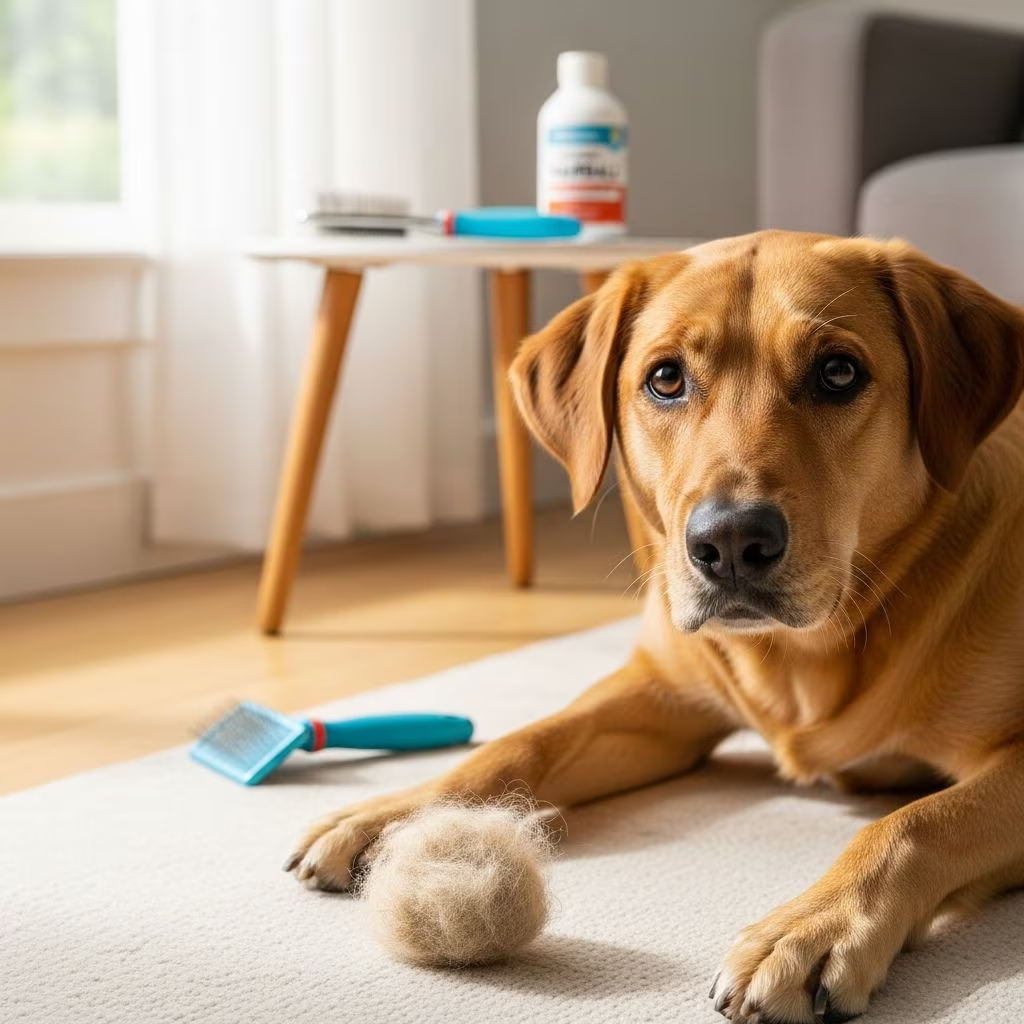
Hairballs, known medically as trichobezoars, occur in dogs when ingested fur accumulates in the stomach or intestines, potentially causing discomfort or blockages. While less common than in cats, they affect dogs with heavy grooming habits or long coats, requiring prompt remedies and preventive measures.
Understanding Trichobezoars in Canines
Trichobezoars form when dogs swallow excessive hair during self-grooming, leading to matted masses that may not digest or pass easily. These can lodge in the gastrointestinal tract, mimicking symptoms of other conditions like coughing or gagging. Unlike cats, dogs rarely expel them naturally without intervention, making awareness crucial for pet owners.
The digestive process in dogs involves stomach acids breaking down food, but hair resists this, twisting into dense balls. Factors like rapid shedding seasons exacerbate the issue, particularly in breeds prone to heavy coats.
Common Signs Your Dog Has a Hairball
Recognizing early symptoms prevents complications. Dogs with hairballs often exhibit:
- Persistent retching or hacking sounds, sometimes mistaken for coughs.
- Frequent vomiting of hair clumps or undigested material.
- Loss of appetite and lethargy due to abdominal discomfort.
- Abdominal distension or tenderness upon palpation.
- Diarrhea or constipation if blockage occurs.
If symptoms include blood in vomit, severe pain, or breathing difficulties, seek immediate veterinary care, as these signal obstructions or secondary issues.
Primary Causes of Hair Ingestion in Dogs
Dogs ingest hair through normal behaviors amplified by certain triggers:
- Excessive grooming: Long-haired breeds like Afghan Hounds or Shih Tzus lick more during shedding.
- Skin conditions: Allergies, fleas, or dermatitis prompt over-licking, increasing hair intake.
- Environmental factors: Access to human hair, other pets’ fur, or trash leads to accidental swallowing.
- Behavioral issues: Boredom, anxiety, or stress causes compulsive licking.
| Breed Type | Risk Level | Reason |
|---|---|---|
| Long/Thick Coat | High | Heavy shedding and grooming |
| Short Coat | Low-Moderate | Only if obsessive licking present |
| Double-Coated | High | Seasonal blowouts |
Breeds with double coats, such as Golden Retrievers, face heightened risks during seasonal changes.
Diagnostic Approaches for Hairballs
Veterinarians diagnose trichobezoars through a multi-step process. A physical exam includes abdominal palpation to detect masses. Imaging like X-rays or ultrasounds reveals blockages, while endoscopy allows direct visualization and potential removal.
Blood tests and fecal exams rule out parasites or infections mimicking symptoms. Skin scrapes identify underlying allergies prompting over-grooming. Early diagnosis via these methods ensures less invasive treatments.
Home Remedies and Supportive Care
For mild cases, supportive care aids passage of small hairballs:
- Pumpkin puree: Plain canned pumpkin (not pie filling) adds fiber to soften stool and move hair through the tract. Start with 1-2 teaspoons per meal.
- Olive oil or coconut oil: A teaspoon lubricates the digestive system, but use sparingly to avoid diarrhea.
- Hydration boost: Encourage water intake with flavored bowls or ice cubes to prevent dry masses.
Monitor for 24-48 hours; if no improvement, consult a vet. Avoid over-the-counter laxatives without guidance.
Dietary Strategies to Combat Hairballs
Nutrition plays a pivotal role in prevention and treatment. Transition to high-fiber diets promotes regular bowel movements:
- Fiber supplements like psyllium husk bind hair for easier elimination.
- Prescription gastrointestinal diets (e.g., Hill’s i/d) post-surgery support recovery.
- Add vegetables such as green beans or carrots for natural bulk.
Probiotics like FortiFlora restore gut flora, aiding digestion. Omega-3 supplements reduce skin inflammation, curbing excessive licking.
Advanced Veterinary Treatments
Severe obstructions demand professional intervention:
- Endoscopy: A scope retrieves hairballs non-surgically via the esophagus.
- Surgery: Laparotomy removes blockages, inspecting the full tract. Post-op care includes 1-3 days hospitalization, bland diets, and restricted activity.
- Medications: Laxatives like Laxatone for non-obstructive cases; anti-anxiety drugs (e.g., fluoxetine) for behavioral causes.
Allergy treatments such as Apoquel or hypoallergenic diets address root over-grooming.
Proven Prevention Techniques
Prevent recurrence through consistent habits:
- Regular brushing: Daily for long coats removes loose fur before ingestion. Use deshedding tools for double-coated breeds.
- Grooming schedule: Professional cuts every 6-8 weeks reduce hair volume.
- Environmental control: Secure trash, vacuum frequently, limit access to other pets’ shedding areas. Basket muzzles prevent fur-eating during high-risk times.
- Exercise and enrichment: Toys and walks combat boredom-induced licking.
- Routine vet checks: Annual exams catch skin issues early.
Combine these for a multi-layered defense, significantly lowering trichobezoar risks.
When Coughing Mimics Hairballs
Not all gagging is hair-related. Reverse sneezing, kennel cough, or tracheal collapse produce similar sounds. Chronic bronchitis involves productive coughs from inflammation, treated with bronchodilators. Heart disease or parasites may cause coughing; diagnostics differentiate these from true hairballs.
FAQs on Dog Hairballs
Can all dogs get hairballs?
Yes, but long-coated or heavy shedders are most susceptible. Short-haired dogs risk them via obsessive licking.
Is vomiting hair normal for dogs?
Occasional is fine, but frequent episodes warrant vet evaluation for blockages.
How long can a dog live with a hairball obstruction?
Hours to days; untreated blockages lead to toxicity or rupture. Seek emergency care.
Are there natural laxatives safe for dogs?
Pumpkin and oils work mildly; always vet-approved to avoid issues.
Does breed matter for hairball prevention?
Absolutely—prioritize grooming in high-shedding breeds like Huskies.
Long-Term Management for Prone Dogs
For recurrent cases, implement a holistic plan: monitor weight, as obesity slows digestion; use air purifiers if allergies contribute; track grooming logs. Nutritional audits ensure balanced fiber (3-5% of diet). Collaborate with vets for tailored protocols, enhancing life quality.
By integrating grooming, diet, and vigilance, owners minimize hairball threats, keeping dogs comfortable and healthy.
References
- Why Does My Dog Sound Like He Has a Hairball? — Under the Weather Pet. 2023-05-15. https://www.undertheweatherpet.com/blogs/under-the-weather/why-does-my-dog-sound-like-he-has-a-hairball
- Hairballs in Dogs — Dog News (Merry Fitzgerald, DVM). 2022-11-10. https://dognews.com/merry-fitzgerald-dvm-explains-how-hairballs-form-in-dogs-how-to-treat-them
- Dog Hairballs: Symptoms, Causes & How to Help Your Dog — Pets4Homes. 2024-03-22. https://www.pets4homes.co.uk/pet-advice/recognising-the-warning-signs-of-hairballs-in-dogs.html
- Can Dogs Get Hairballs? Everything To Know About Trichobezoars — PetMD. 2023-08-07. https://www.petmd.com/dog/conditions/digestive/dog-hairballs
- Dog Hairballs: Signs, Causes & How to Help Your Dog — Lancaster Puppies. 2024-01-14. https://www.lancasterpuppies.com/pet-advice/dog-hairballs-signs-causes-how-to-help-your-dog.html
- Trichobezoars (Hairballs) in Dogs — VCA Animal Hospitals. 2023-12-01. https://vcahospitals.com/know-your-pet/trichobezoars-in-dogs



