

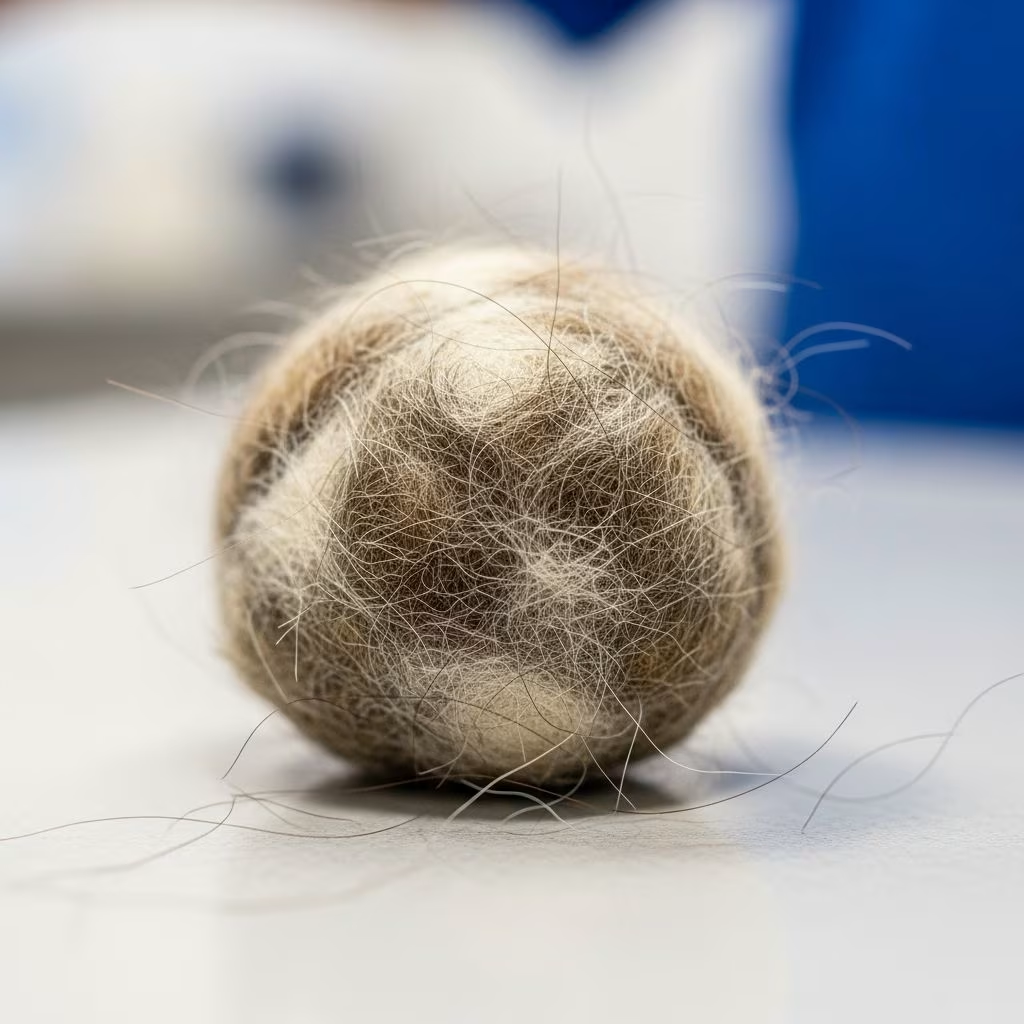
Dogs can develop hairballs, known medically as trichobezoars, when they ingest excessive fur during grooming, leading to clumps that may pass naturally or cause serious blockages requiring veterinary intervention.
What Causes Hairballs in Canines?
Hairballs form in dogs primarily from self-grooming behaviors where loose fur is swallowed and accumulates in the stomach or intestines. Breeds with long, thick, or double coats shed more, increasing ingestion risks during licking. Obsessive grooming due to allergies, anxiety, boredom, or skin irritations exacerbates this issue, even in short-haired dogs.
Environmental factors contribute too. Dogs may consume human hair from floors or other pets’ fur if not managed. Twisting of ingested hair around stomach contents can create dense masses too large to expel naturally, potentially obstructing the gastrointestinal tract.
- Heavy shedding breeds like Huskies or Shelties face higher risks.
- Allergies prompt excessive licking, trapping more hair.
- Stress-induced overgrooming signals behavioral needs.
Recognizing Symptoms of Canine Trichobezoars
Early detection prevents complications. Common signs include retching or coughing motions resembling hairball expulsion attempts, often mistaken for respiratory issues. Vomiting cylindrical hair clumps confirms the problem straightforwardly.
Severe cases show digestive distress: abdominal swelling, reduced appetite, lethargy, or constipation from blockages. Dogs may exhibit discomfort when touched on the belly or produce fewer bowel movements. Differentiate from coughing by noting hair in vomit versus phlegm.
| Symptom | Mild Case | Severe Blockage |
|---|---|---|
| Vomiting | Hair clumps expelled | Frequent, unproductive retching |
| Appetite | Slightly reduced | Complete refusal of food |
| Abdomen | Normal | Distended or painful |
| Behavior | Mild discomfort | Lethargy, weakness |
When Hairballs Mimic Other Health Problems
Not all gagging or coughing stems from hairballs. Respiratory conditions like chronic bronchitis cause persistent hacks, diagnosed via X-rays or bronchoscopy. Heart disease presents with fluid buildup coughs, confirmed by echocardiograms. Parasites, fungal infections such as blastomycosis, or allergies to pollen and smoke produce similar sounds but require distinct tests like fecal exams or cultures.
Bacterial pneumonia follows viral illnesses, showing fever and nasal discharge. Tumors or asthma-like wheezing demand imaging like CT scans. Always consult a vet to rule out life-threatening mimics before assuming hairballs.
Diagnosis Process for Suspected Hairballs
Veterinarians start with physical exams, palpating the abdomen for masses or obstructions. History of grooming habits and shedding informs initial assessments. For vomiting hairballs, diagnosis is direct; otherwise, blood tests, fecal analysis, and skin checks uncover underlying causes like allergies.
Imaging escalates for suspicions: X-rays reveal blockages, ultrasounds assess stomach contents, and endoscopy visualizes GI tracts non-invasively. In complex cases, biopsies exclude infections or neoplasms.
Treatment Options for Dog Hairballs
Many hairballs pass via vomiting or feces without aid. Supportive care includes laxatives like Laxatone to lubricate passages, high-fiber diets, or probiotics such as FortiFlora for motility. Hydration is crucial—encourage water intake to soften masses.
Obstructions demand intervention. Endoscopy retrieves accessible hairballs via esophageal insertion. Surgery removes lodged trichobezoars, inspecting the full tract, with post-op hospitalization (1-3 days) and bland diets like Hill’s i/d for recovery. Medications address roots: Apoquel for allergies, fluoxetine for anxiety, or antifungals for infections.
- Conservative: Fiber supplements, pumpkin puree.
- Invasive: Surgery for complete blockages.
- Supportive: Anti-nausea meds, fluids.
Preventing Hairball Recurrence in Dogs
Proactive grooming is paramount. Daily brushing removes loose fur, especially during shedding seasons for long-coated breeds. Use deshedding tools like Furminators effectively.
Dietary adjustments help: high-fiber foods, green beans, or supplements keep transit smooth. Ensure constant fresh water. Address behaviors—enrich environments with toys to curb boredom licking, limit access to trash or other pets’ hair via muzzles if needed.
Treat skin issues promptly: hypoallergenic diets (e.g., Royal Canin HP) or omega-3 supplements reduce itchiness. Regular vet check-ups monitor for allergies or parasites.
Breed-Specific Vulnerabilities and Tips
Long-haired breeds (e.g., Collies, Afghan Hounds) need frequent grooming schedules. Double-coated types (e.g., Golden Retrievers) shed massively biannually—bathe and brush weekly. Short-haired obsessive groomers (e.g., Labradors with allergies) benefit from puzzle toys.
| Breed Type | Risk Level | Prevention Focus |
|---|---|---|
| Long Coat | High | Daily brushing |
| Double Coat | High | Seasonal deshedding |
| Short Coat | Medium | Behavioral enrichment |
Home Remedies and Monitoring
Safe aids include canned pumpkin (1-2 tsp daily) for fiber or petroleum-based gels sparingly. Avoid human laxatives. Monitor stool for hair passage and weight stability. Track grooming sessions in a journal to spot patterns.
Nutritional boosts like omega fatty acids support skin health, minimizing lick urges. Calming chews (e.g., Solliquin) ease anxiety-driven grooming.
FAQs on Dog Hairballs
Can all dogs get hairballs?
Yes, though long or heavy-shedding breeds are most prone. Any excessive groomer risks them.
Is surgery always needed for blockages?
No, endoscopy or laxatives often suffice; surgery for unresponsive cases.
How often should I brush my dog?
Daily for high-risk breeds, 2-3 times weekly otherwise.
Do hairballs cause coughing sounds?
Often yes, but rule out respiratory issues with a vet.
Can diet alone prevent hairballs?
It helps with fiber, but combine with grooming for best results.
References
- Trichobezoars (Hairballs) in Dogs — VCA Animal Hospitals. 2023. https://vcahospitals.com/know-your-pet/trichobezoars-in-dogs
- Can Dogs Get Hairballs? Everything To Know About Trichobezoars — PetMD. 2024-01-15. https://www.petmd.com/dog/conditions/digestive/dog-hairballs
- Hairballs in Dogs – Dog News — Dog News (Merry Fitzgerald, DVM). 2023-05-10. https://dognews.com/merry-fitzgerald-dvm-explains-how-hairballs-form-in-dogs-how-to-treat-them
- Dog Hairballs: Signs, Causes & How to Help Your Dog — Lancaster Puppies. 2024. https://www.lancasterpuppies.com/pet-advice/dog-hairballs-signs-causes-how-to-help-your-dog.html
- Why Does My Dog Sound Like He Has a Hairball? — Under the Weather Pet. 2023-11-20. https://www.undertheweatherpet.com/blogs/under-the-weather/why-does-my-dog-sound-like-he-has-a-hairball



