

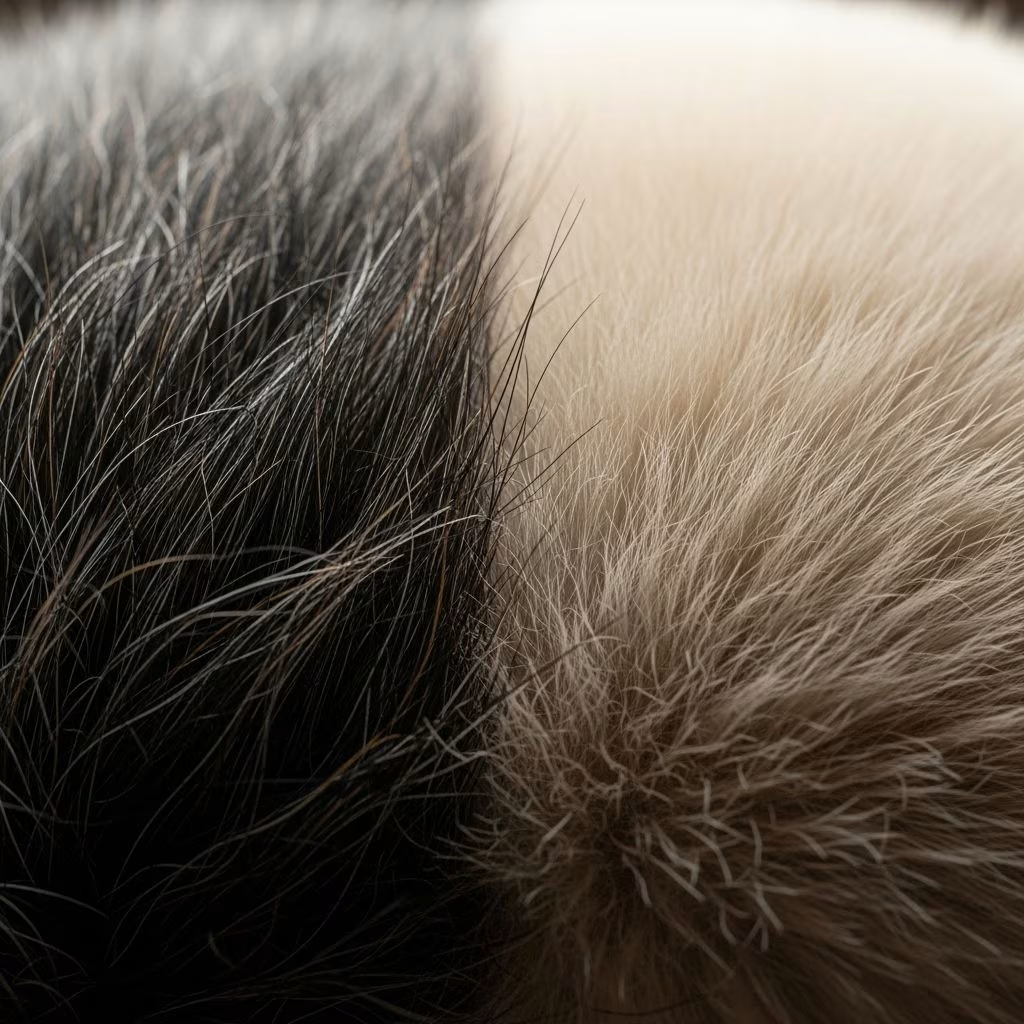
Both dog hair and fur consist of keratin, the same protein found in human hair and nails, making them chemically identical at a basic level. However, differences in growth cycles, coat structure, shedding patterns, and texture set them apart, influencing grooming needs and suitability for allergy sufferers.
Understanding Coat Composition in Dogs
Dog coats serve vital purposes like protection from elements, temperature regulation, and sensory functions. Scientifically, no distinction exists between hair and fur; both emerge from follicles producing keratin strands. Yet, common usage differentiates them based on observable traits: fur typically describes shorter, denser coverings, while hair refers to longer, finer types.
Coats vary by genetics. Predetermined length (PDL) coats, common in fur-type dogs, reach a fixed size and shed seasonally. Undetermined length (UDL) coats, akin to hair, continue growing until trimmed or broken, leading to less frequent shedding but more grooming demands.
Growth Cycles: The Core Distinction
Dog coat growth follows phases: anagen (active growth), catagen (transition), telogen (resting), and exogen (shedding). Fur coats cycle quickly through these, with short anagen phases causing regular turnover. Hair coats linger longer in anagen, delaying exogen and reducing shed volume.
- Fur coats: Short growth phase; seasonal heavy shedding.
- Hair coats: Extended growth; continuous but minimal shedding.
This cycle impacts daily life—fur scatters more, while hair tangles if neglected.
Coat Textures and Layers
Fur often features density from numerous follicles, sometimes forming double layers: coarse guard hairs on top for waterproofing and soft undercoat for insulation. Single-layer hair is smoother, wavier, or curlier, lacking this duality.
| Feature | Fur Coats | Hair Coats |
|---|---|---|
| Length | Short to medium | Long, continuous |
| Density | High, more follicles | Lower |
| Layers | Often double (guard + under) | Single |
| Texture | Coarse, dense | Fine, wavy/curly |
Double coats excel in harsh climates but demand thorough brushing to remove loose underhairs.
Popular Breeds by Coat Type
Selecting a dog involves coat awareness. Fur breeds like Labrador Retrievers, Golden Retrievers, Huskies, and German Shepherds shed profusely, especially twice yearly. Hair breeds such as Poodles, Bichon Frises, Shih Tzus, Yorkshire Terriers, and Maltese grow luxurious locks needing regular cuts.
- Fur examples: Boxers, Jack Russell Terriers, Border Collies (double-coated).
- Hair examples: Portuguese Water Dogs, Soft-Coated Wheaten Terriers.
Hybrids like Labradoodles blend traits, often inheriting hair-like low-shed qualities.
Shedding Patterns and Household Impact
Fur shedding aligns with seasons, releasing undercoat in clumps for renewal. Hair sheds sparingly, trapping strands that mat without intervention. This makes fur easier for casual keepers but messier short-term; hair suits tidy homes if groomed.
Year-round light shedding occurs in hair dogs, while fur dogs experience “blowing coat” events, necessitating vacuuming and lint rollers.
Allergies: Myths and Realities
No dog is truly hypoallergenic, as allergens stem from dander, saliva, and urine—not hair itself. Hair coats trap dander better due to less shedding, reducing airborne particles compared to fur’s frequent release.
Allergy-prone owners fare better with hair breeds, but regular washing and air filters help all types. Consult allergists for testing.
Grooming Essentials for Each Type
Tailor routines to coat genetics. Fur needs weekly undercoat raking to prevent matting and distribute oils. Hair demands daily brushing, professional trims every 4-8 weeks, and conditioners for moisture.
Fur Grooming Tips
- Deshedding tools like slicker brushes or rakes.
- Bathe monthly with moisturizing shampoos.
- Outdoor blowing coat management.
Hair Grooming Tips
- Pinning combs for tangles.
- Weekly baths to avoid dryness.
- Clippers or scissors for length control.
Overbathing strips oils, causing itchiness; aim for balance.
Health Indicators in Coats
Coats reflect wellness. Dull fur signals poor diet or parasites; excessive shedding may indicate hormones or stress. Hair matting hides skin issues like hotspots. Vet checks ensure thyroid, allergies, or nutrition aren’t culprits.
Nutrient-rich foods with omega-3s promote shine across types.
Seasonal and Environmental Care
Winter thickens fur undercoats naturally; summer shedding prepares for heat. Hair grows unchecked, needing clips for comfort. Protect from sun with toppers and moisturize post-swims.
Choosing Your Ideal Dog Coat
Lifestyle dictates choice: active families tolerate fur shedding; apartments favor hair for minimal mess. Research breeds via kennel clubs and trial grooming.
Frequently Asked Questions
Do all dogs shed?
Yes, but amounts vary. Hair dogs shed least; no zero-shed breed exists.
Can I train a fur dog to shed less?
Consistent brushing reduces loose hairs, but genetics rule shedding volume.
Is poodle hair truly hypoallergenic?
It traps dander well but doesn’t eliminate allergens.
How often should I groom a double-coated dog?
Daily in shedding season; weekly otherwise.
Does diet affect coat type?
No, genetics determine type; diet influences quality.
Advanced Coat Care Strategies
For fur, use mineral conditioners supporting rapid turnover. Hair benefits from detanglers matching curl patterns—straight, wavy, or coiled. Professional groomers assess follicle shapes for tools.
Monitor for wiry fur subtypes needing stripping or long hair prone to splits. Puppies shed puppy coats around 6-12 months, revealing adult patterns.
In multi-dog homes, mix types thoughtfully—fur blowouts won’t overwhelm if hair dogs are brushed routinely. Invest in HEPA vacuums and washable covers universally.
References
- Do Dogs Have Hair or Fur? – American Kennel Club — AKC. 2023-05-15. https://www.akc.org/expert-advice/health/dogs-hair-fur-grooming/
- The Difference Between Dog Fur and Dog Hair — Mental Floss. 2022-11-10. https://www.mentalfloss.com/article/649312/dog-fur-dog-hair-difference
- Does Your Dog Have Hair or Fur? — Whole Dog Journal. 2024-03-20. https://www.whole-dog-journal.com/care/grooming/does-your-dog-have-hair-or-fur/
- Dog Fur vs. Hair: What’s the Difference? — Best Bully Sticks. 2023-08-12. https://www.bestbullysticks.com/blogs/bbs-blog/dog-fur-vs-hair-what-s-the-difference
- Dog Hair vs. Fur — Native Pet. 2024-01-05. https://nativepet.com/blogs/health/dog-hair-vs-fur



