

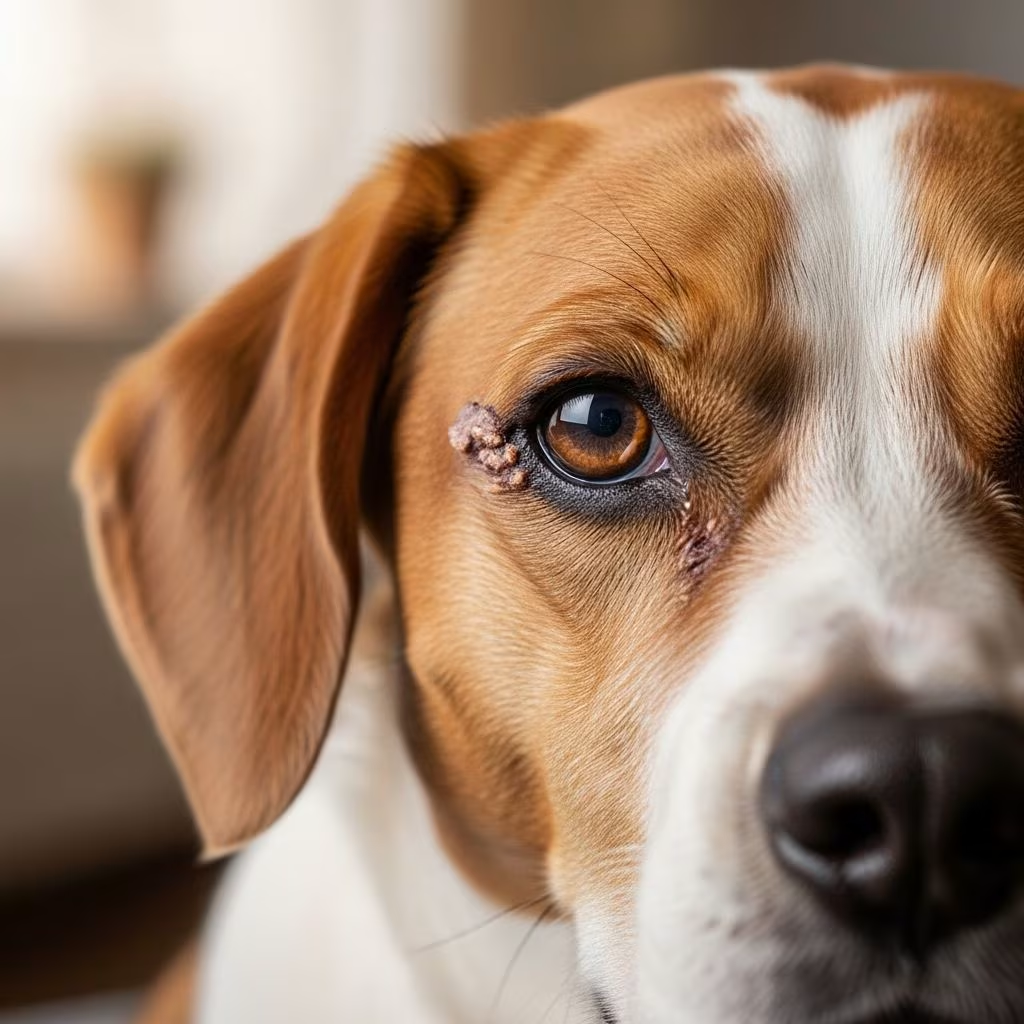
Hair loss around a dog’s eyes can be alarming for pet owners, often signaling irritation, infection, or deeper health problems. This condition, known as alopecia in the periocular region, leads to bald patches that expose sensitive skin, potentially causing discomfort or secondary issues. Prompt attention from a veterinarian is essential to identify the root cause and restore your dog’s appearance and well-being.
Recognizing the Signs of Periocular Alopecia
Early detection improves outcomes. Watch for these indicators:
- Bald spots forming symmetrically or asymmetrically above, below, or beside the eyes.
- Redness, swelling, or crusty discharge around the affected area.
- Excessive pawing, rubbing, or head shaking due to itchiness.
- Watery eyes, squinting, or changes in eye discharge.
- Associated symptoms like overall shedding, lethargy, or appetite shifts.
These signs differentiate normal shedding from pathological hair loss. Normal shedding is diffuse and seasonal, while eye-area alopecia often appears patchy and persistent.
Primary Culprits Behind Eye-Area Hair Loss
Several factors contribute to this issue. Understanding them helps in targeted management.
Allergic Reactions and Environmental Triggers
Allergies top the list, mimicking human responses to pollen, dust, or food proteins. Dogs scratch itchy eyes, abrading hair follicles via friction. Seasonal flares from grasses or pollen worsen symptoms, while year-round issues stem from dust mites or flea saliva. Food sensitivities to beef, chicken, or grains can provoke facial itching, leading to periocular baldness. Environmental irritants like smoke, UV light, or plant oils exacerbate inflammation without true allergy.
Parasitic Infestations
External parasites thrive on canine skin, biting near eyes and causing intense pruritus. Fleas deposit saliva that triggers allergic dermatitis, prompting furious scratching. Mites from scabies (sarcoptic mange) or demodex burrow, creating crusty, hairless zones. Ticks and mosquitoes add localized trauma. These invaders often spread, affecting ears, belly, or paws alongside eyes.
Fungal and Bacterial Infections
Ringworm, a fungal culprit, forms circular bald patches without much itch, contrasting allergic responses. Highly contagious, it jumps to humans or other pets via spores. Bacterial overgrowth from self-trauma or poor hygiene leads to folliculitis, with pus-filled bumps and crusts. Conjunctivitis (pink eye) spills over, inflaming lids and thinning fur.
Hormonal Imbalances Like Cushing’s Disease
Cushing’s syndrome, or hyperadrenocorticism, overproduces cortisol, thinning fur symmetrically, including around eyes. Common in dogs over six, it pairs with potbelly, thirst, hunger, and panting. Pituitary or adrenal tumors drive this chronic state, demanding lifelong therapy.
Other Contributors: Genetics and Trauma
Breed predispositions play a role; Poodles or Dachshunds face higher allergy risks. Congenital alopecia appears early, while pressure sores from sleeping habits rub fur away. Tumors or autoimmune issues like pemphigus rarely target eyes but contribute.
Diagnostic Approaches for Accurate Identification
Vets employ a multi-step process:
| Step | Description | Purpose |
|---|---|---|
| Physical Exam | Skin scrapes, cytology, Wood’s lamp for fungi | Detect parasites or infections |
| Allergy Testing | Intradermal or blood serum tests | Pinpoint allergens |
| Bloodwork | Cortisol levels, thyroid panel | Rule out hormones |
| Biopsy | Tissue sample analysis | Confirm tumors or autoimmunity |
| Elimination Diet | 8-12 week hypoallergenic trial | Identify food triggers |
These pinpoint causes, avoiding guesswork.
Treatment Strategies Tailored to the Cause
Remedies vary by diagnosis, focusing on relief, healing, and prevention.
Managing Allergies
Antihistamines, Apoquel, or Cytopoint curb itching. Hypoallergenic diets or immunotherapy desensitize over time. Medicated shampoos soothe skin.
Eradicating Parasites
Topical or oral preventives like Bravecto kill fleas/ticks. Ivermectin or milbemycin target mites. Clean bedding weekly.
Combating Infections
Antifungals like griseofulvin treat ringworm; antibiotics handle bacteria. Eye ointments address conjunctivitis.
Addressing Hormonal Disorders
Trilostane or mitotane regulate cortisol in Cushing’s. Surgery removes tumors if feasible.
Supportive Care for All Cases
E-collars prevent self-trauma. Moisturizing sprays, omega-3 supplements, and gentle grooming aid regrowth. Keep environments hypoallergenic.
Prognosis shines with early intervention; allergies need ongoing care, while infections resolve quickly.
Prevention Tips for a Luscious Coat
- Monthly parasite preventives year-round.
- Balanced diet with novel proteins.
- Regular vet checkups, especially for seniors.
- Avoid irritants; rinse after outdoor play.
- Monitor for breed-specific risks.
These habits minimize recurrence.
When to Seek Immediate Veterinary Help
Rush to the vet if eyes swell shut, discharge thickens, or behavior changes drastically. Untreated issues risk vision loss or systemic spread.
Frequently Asked Questions (FAQs)
Can hair loss around eyes heal on its own?
Minor cases might, but most require intervention to prevent worsening.
Is it contagious to humans?
Ringworm or mange yes; allergies no.
How long for fur regrowth?
Weeks to months, depending on cause and treatment.
Are certain breeds prone?
Yes, Bulldogs, Retrievers for allergies; Terriers for parasites.
Can diet alone fix it?
Only if food allergy-driven; otherwise, supplemental.
References
- Why is My Dog Losing Hair Around Their Eyes? — NomNomNow. 2023. https://www.nomnomnow.com/learn/article/why-is-my-dog-losing-hair-around-their-eyes
- What to do if the skin around your dog’s eyes is red — Vetster. 2024-01-15. https://vetster.com/en/wellness/what-to-do-if-the-skin-around-your-dog-s-eyes-is-red
- 3 Common Causes Of Hair Loss In Dogs — Vet Sports Rehab Co. 2023. https://www.vetsportsrehabco.com/3-common-causes-of-hair-loss-in-dogs/
- Hair Loss in Dogs: Causes, Symptoms, and Treatment — PetMD. 2025-02-10. https://www.petmd.com/dog/conditions/skin/hair-loss-dogs-causes-symptoms-and-treatment
- Alopecia in Dogs: How to Treat Canine Hair Loss — GoodRx. 2024. https://www.goodrx.com/pet-health/dog/alopecia-in-dogs-causes-treatment
- Why Is My Dog Losing Hair — Vetericyn. 2024. https://vetericyn.com/blogs/vetericyn/why-is-my-dog-losing-hair
- Dog Bald Spots, Dog Hair Loss — WebMD. 2023-11-20. https://www.webmd.com/pets/dogs/dog-bald-spot



