

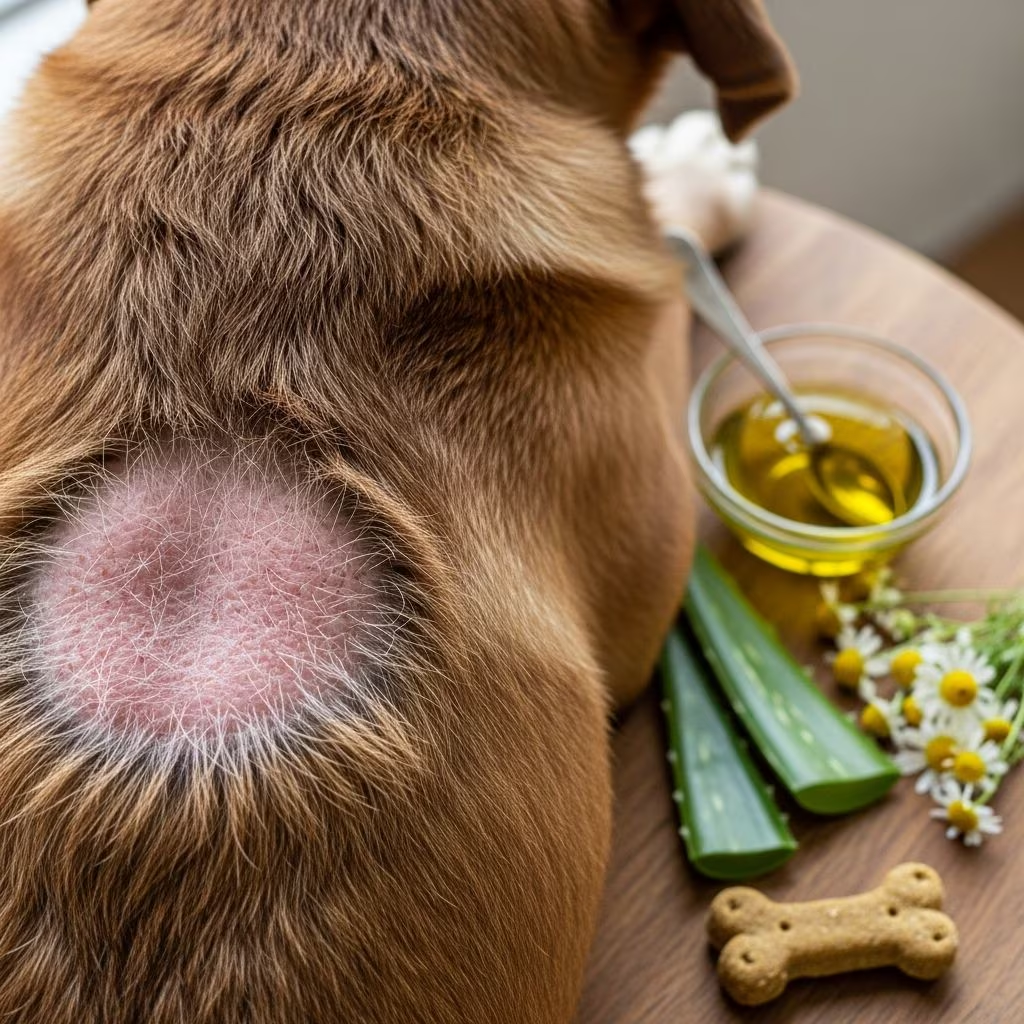
Dog hair loss, known as alopecia, can be distressing for pet owners but often stems from treatable causes like parasites, allergies, or nutritional gaps. Home remedies such as apple cider vinegar rinses, olive oil massages, and dietary supplements can support skin health and hair regrowth when used alongside veterinary guidance.
What Causes Hair Loss in Dogs?
Hair loss in dogs appears as bald patches, thinning coats, or excessive shedding and may signal underlying issues ranging from minor irritations to serious conditions. Identifying the root cause is essential before applying remedies, as symptoms often overlap.
Common triggers include:
- Parasites: Fleas, ticks, mites (like those causing mange), and lice irritate the skin, leading to scratching and hair loss. Flea allergy dermatitis is particularly common, causing intense itching and bald spots.
- Allergies: Food sensitivities, environmental allergens (pollen, dust), or contact allergies provoke itching, licking, and self-induced hair loss. Atopic dermatitis affects many breeds.
- Nutritional Deficiencies: Diets lacking omega-3 fatty acids, quality proteins, vitamins A and E, or zinc weaken the coat. Poor food quality exacerbates this even in ‘balanced’ diets.
- Infections: Bacterial, fungal (ringworm, Malassezia yeast), or yeast overgrowth inflame the skin, resulting in circular bald patches and scaling.
- Hormonal Disorders: Cushing’s disease (hyperadrenocorticism) causes symmetrical hair loss on flanks, back, and tail due to excess cortisol, often with increased thirst and potbelly. Hypothyroidism slows hair growth.
- Stress and Behavioral Issues: Anxiety from changes like moving prompts over-grooming or licking, creating bald spots.
- Poor Grooming: Matted fur clogs follicles, trapping oils and preventing growth.
- Other Factors: Pregnancy, lactation, wounds, scars, or post-clipping irritation.
Observe patterns: symmetrical loss suggests hormones; patchy, scaly areas point to infections or parasites. Always consult a vet for diagnosis via skin scrapes, biopsies, or blood tests.
Safe Dog Hair Loss Home Remedies
While not substitutes for vet care, these remedies soothe skin, reduce inflammation, and promote regrowth for mild cases. Patch-test first and dilute properly to avoid irritation.
Apple Cider Vinegar (ACV) Rinse
Diluted ACV’s antibacterial, antifungal, and pH-balancing properties combat infections and allergies. Mix 50/50 with water; spray or sponge on affected areas 1-2 times daily, avoiding open wounds. For baths, add 1-2 cups to warm water. Rinse after 5-10 minutes. Note: GoodRx advises skipping ACV if skin is broken, prioritizing vet diagnosis.
Lemon Juice Infusion
Citric acid in lemon provides antibacterial action for minor overgrowth. Infuse a quart of warm water with one lemon slice for 5 hours, strain, and apply to bald spots. Use as a rinse post-bath. Effective for fungal issues but rinse thoroughly to prevent stinging.
Olive Oil or Coconut Oil Massage
These moisturize dry skin and distribute natural oils. Warm a teaspoon of extra-virgin olive or virgin coconut oil, massage into skin, leave 30 minutes, then shampoo. Repeat 2-3 times weekly. Olive oil calms irritation; coconut fights bacteria.
Oatmeal Baths
Finely ground oatmeal soothes itchy skin. Add to lukewarm bathwater; soak 10 minutes. Relieves allergy-related scratching without drying.
Aloe Vera Gel
Pure aloe vera gel cools inflamed skin, removes dead cells, and nourishes follicles. Apply fresh gel topically; ideal for itch-induced loss. Ensure pet-safe, no additives.
Home Treatment Recipe for Soothing Dry Skin
For mild dryness:
- 2 tbsp warm water
- 2 tbsp alkaline water (or filtered)
- 1 tbsp aloe vera juice
- 1 tsp honey (antibacterial)
Mix, apply with cloth, rinse after 10 minutes. Use 2-3 times weekly.
Supplements for Dog Hair Loss
Nutrient boosts address deficiencies internally.
- Omega-3 Fatty Acids: From fish oil or flaxseed oil; reduces inflammation, hydrates skin. Dose: 20-50mg EPA/DHA per lb body weight daily. Improves coat shine.
- Vitamin E and A: Antioxidants for skin repair. Vet-recommended doses only to avoid toxicity.
- Melatonin: Promotes growth cycles; 3-6mg daily for some alopecia types.
- CBD Oil: Omega-rich; may regulate allergies via endocannabinoid system. Studies show promise for skin conditions; start low (0.1-0.5mg/lb).
Consult vet for bloodwork before supplementing.
Grooming as a Home Remedy
Regular brushing redistributes sebum, removes dead hair, and stimulates follicles—key for prevention and treatment.
- Use breed-appropriate brush 3-5 times weekly.
- Bathe monthly with hypoallergenic shampoo; overbathing strips oils.
- Trim mats gently; avoid clipping irritated skin.
Combine with flea preventives and humidifiers for dry environments.
When to See a Vet
Home remedies suit mild, non-progressive loss. Seek immediate care if:
- Baldness spreads rapidly or is asymmetrical.
- Skin is red, scaly, odorous, or ulcerated.
- Dog shows lethargy, appetite loss, or thirst changes.
- No improvement in 1-2 weeks.
Vets may prescribe antibiotics, antifungals, steroids, or diet trials. Protect exposed skin from sun with pet-safe cream.
Frequently Asked Questions (FAQs)
Can apple cider vinegar cure dog hair loss?
No, but diluted ACV helps with infections and pH balance as a supportive remedy. Avoid on broken skin.
Is olive oil safe for dogs with hair loss?
Yes, in moderation; it moisturizes without toxicity. Wash off after use.
Do omega-3 supplements stop shedding?
They support skin health and reduce inflammatory loss but address deficiencies best under vet guidance.
How often should I brush a dog with alopecia?
Daily for short-term relief; 3-5 times weekly ongoing to maintain coat health.
Is hair loss always a parasite issue?
No; allergies and hormones are common too. Diagnosis is key.
Prevention Tips for Healthy Coats
Maintain balanced, high-quality diet; flea control; stress reduction via exercise; regular vet checkups. Breeds like Huskies or Bulldogs are prone—monitor closely.
References
- Dog Hair Loss: Home Remedies, Causes, and Diagnosis — Paw CBD. 2023. https://www.pawcbd.com/blogs/posts/dog-hair-loss-home-remedies-causes-and-diagnosis
- Dog Hair Loss: Causes, Solutions, and Expert Tips — Superior Care Pet. 2024. https://www.superiorcare.pet/blogs/news/dog-hair-loss-causes-solutions-and-expert-tips
- Alopecia in Dogs: How to Treat Canine Hair Loss — GoodRx. 2024-01-15. https://www.goodrx.com/pet-health/dog/alopecia-in-dogs-causes-treatment
- Dog Hair Loss Home Remedies [The Complete Guide] — Holistapet. 2023. https://www.holistapet.com/blogs/home-remedies-for-dogs/hair-loss
- Hair Loss in Dogs: How to Treat It & What to Do — Petcube. 2023. https://petcube.com/blog/hair-loss-in-dogs/
- Are There Dog Hair Loss Home Remedies? — PetLab Co. 2024. https://petlabco.co.uk/learn/health-wellness/dog-hair-loss-home-remedies
- Hair Loss in Dogs: Causes, Symptoms, and Treatment — PetMD. 2025-06-10. https://www.petmd.com/dog/conditions/skin/hair-loss-dogs-causes-symptoms-and-treatment



