

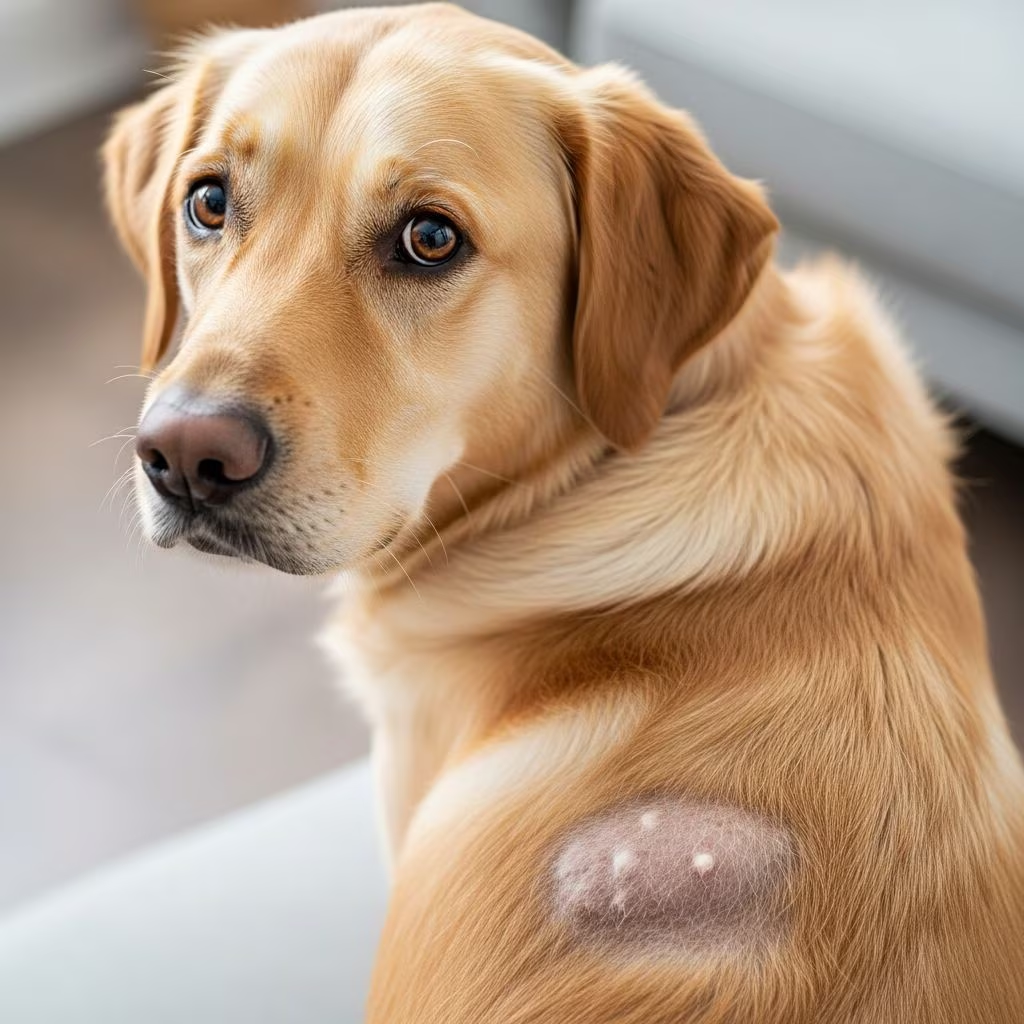
Hair loss, or alopecia, in dogs manifests as bald patches, thinning fur, or complete baldness in areas where hair typically grows. This condition often signals an underlying health issue rather than a standalone problem, requiring prompt attention to prevent progression.
Recognizing the Signs of Alopecia in Canines
Owners may first notice **symmetrical bald spots** on the flanks, tail base, or back, or irregular patches from scratching. Non-itchy loss suggests hormonal or genetic factors, while itchy, red areas point to infections or allergies. Distinguishing these patterns aids early intervention.
- Sudden focal baldness: Often from parasites or trauma.
- Gradual symmetric thinning: Linked to endocrine disorders like hypothyroidism.
- Seasonal flank baldness: Common in breeds such as Boxers without itchiness.
Primary Causes of Hair Loss in Dogs
Alopecia stems from diverse triggers, categorized into inflammatory (itchy, patchy) and noninflammatory (smooth, symmetric) types. Inflammatory cases frequently involve external irritants, while noninflammatory ones relate to internal imbalances.
Infectious and Parasitic Triggers
External parasites like fleas, mites (Demodex, Sarcoptes), lice, or ticks cause intense itching leading to self-induced baldness. Fungal infections such as ringworm create circular bald patches, and bacterial folliculitis results in red, crusty spots. Mosquito bites or hot spots exacerbate these.
| Parasite/Infection | Common Signs | Affected Areas |
|---|---|---|
| Fleas/Mites | Itchy, scabby skin | Back, base of tail |
| Ringworm | Circular bald patches | Head, legs |
| Bacterial Pyoderma | Red pustules | Face, paws |
Allergic and Environmental Factors
Allergies to food, pollen, or flea saliva provoke over-grooming, resulting in saliva-stained bald areas. Atopic dermatitis worsens seasonally, causing paw licking and ear rubbing. Stress-induced licking creates acral lick dermatitis with thickened, hairless skin.
Hormonal and Endocrine Disorders
Hypothyroidism slows hair growth, leading to dull coats and symmetric loss. Cushing’s disease (hyperadrenocorticism) causes pot-bellied appearance with thin skin and poor regrowth. Sex hormone imbalances from tumors or medications mimic these, often with skin darkening.
- **Hypothyroidism**: Lethargy, weight gain, cold intolerance accompany hair loss.
- **Cushing’s**: Increased thirst, urination, and panting.
Genetic and Breed-Specific Conditions
Certain breeds face inherited alopecia. Color dilution alopecia affects dogs with blue or fawn coats (e.g., Dobermans, Weimaraners), causing fragile hairs that break easily. Seasonal flank alopecia recurs annually in Bulldogs and Staffordshire Terriers without health risks. Alopecia X, or hair cycle arrest, leads to non-itchy baldness on hindquarters, prevalent in Nordic breeds like Pomeranians.
Other Contributors: Trauma, Medications, and Nutrition
Over-grooming from anxiety, post-clipping baldness, or friction from collars induces focal loss. Medications like glucocorticoids or chemotherapeutics disrupt follicles. Poor diet lacking omega-3s or zinc impairs coat quality, though rarely sole cause.
How Veterinarians Diagnose Canine Alopecia
Diagnosis begins with history: onset age, itchiness, diet changes, medications. Physical exams check symmetry, skin texture, and lymph nodes. Tools include skin scrapings for mites, cytology for infections, fungal cultures, and biopsies for genetic issues.
Blood tests screen thyroid, cortisol, and sex hormones. For noninflammatory alopecia, breed and coat color guide differentials like follicular dysplasia.
Step-by-Step Diagnostic Approach
- History and signalment review.
- Dermatologic exam: Trichogram (hair pluck) assesses cycle stage.
- Skin scrapings, cytology, cultures.
- Endocrine blood panels if symmetric.
- Biopsy for persistent cases.
Treatment Strategies for Restoring Your Dog’s Coat
Treatments target root causes. Parasite control uses topical/oral preventives; infections require antibiotics or antifungals. Allergies may need hypoallergenic diets, antihistamines, or cyclosporine.
Managing Endocrine Imbalances
Hypothyroidism responds to lifelong levothyroxine. Cushing’s treatments include trilostane to lower cortisol. Hormone-related alopecia may resolve post-neutering or tumor removal.
Options for Genetic Alopecia
Alopecia X lacks a cure but melatonin supplements promote growth in 30-40% of cases. Microneedling or platelet-rich plasma stimulates follicles, though sedation is needed. These are cosmetic interventions.
| Condition | Treatment Options | Expected Outcome |
|---|---|---|
| Parasitic | Ivermectin, selamectin | Regrowth in 4-6 weeks |
| Allergic | Apoquel, cytopoint | Symptom relief, partial regrowth |
| Hypothyroidism | Levothyroxine | Full coat recovery over months |
| Alopecia X | Melatonin, microneedling | Cosmetic improvement in some |
Supportive Care for All Cases
Omega-3 supplements, medicated shampoos, and environmental allergen reduction aid recovery. Avoid clipping to prevent worsening. Monitor for regrowth timelines: 2-3 months typical.
Preventing Hair Loss Episodes
Year-round flea prevention, balanced nutrition, and stress reduction via exercise curb many cases. Regular grooming detects issues early. Breed-specific screening for at-risk lines helps.
Frequently Asked Questions (FAQs)
Is dog alopecia contagious?
No, but ringworm or mange can spread to other pets/humans. Isolate and treat promptly.
Will my dog’s hair grow back?
Yes, in most treatable cases like infections or hypothyroidism. Genetic forms may not fully.
Can diet alone fix alopecia?
Not usually; it supports but doesn’t resolve underlying issues like hormones.
When should I see a vet for hair loss?
Immediately if accompanied by itching, lethargy, or rapid spread.
Are certain breeds more prone?
Yes, Nordic breeds for Alopecia X, dilutes for color-linked loss.
Addressing alopecia promptly improves quality of life. Consult a veterinarian for tailored plans, as self-treatment risks delays.
References
- Hair loss (alopecia) in dogs — PDSA. 2023. https://www.pdsa.org.uk/pet-help-and-advice/pet-health-hub/symptoms/hair-loss-alopecia-in-dogs
- Understanding and Treating Canine Alopecic Dermatoses — Today’s Veterinary Practice. 2023. https://todaysveterinarypractice.com/dermatology/understanding-and-treating-canine-alopecic-dermatoses/
- Hair Loss in Dogs: Causes, Symptoms, and Treatment — PetMD. 2024. https://www.petmd.com/dog/conditions/skin/hair-loss-dogs-causes-symptoms-and-treatment
- Why Is Your Pet Losing Hair? Causes & Solutions for Dogs & Cats — Oakdale Veterinary Group. 2023. https://oakdalevet.com/why-is-your-pet-losing-hair-causes-solutions-for-dogs-cats/
- Alopecia X in Dogs: Signs, Symptoms, Treatment — AKC. 2024. https://www.akc.org/expert-advice/health/alopecia-x-in-dogs/
- Alopecia X in Dogs (Hair Cycle Arrest) — MedVet. 2023. https://www.medvet.com/alopecia-x-in-dogs-hair-cycle-arrest/
- Hair Loss (Alopecia) in Dogs — Merck Veterinary Manual. 2025. https://www.merckvetmanual.com/dog-owners/skin-disorders-of-dogs/hair-loss-alopecia-in-dogs



