
Dog Hair Loss Explained
Uncover the root causes of alopecia in dogs and discover effective treatments to restore your pet's healthy coat.
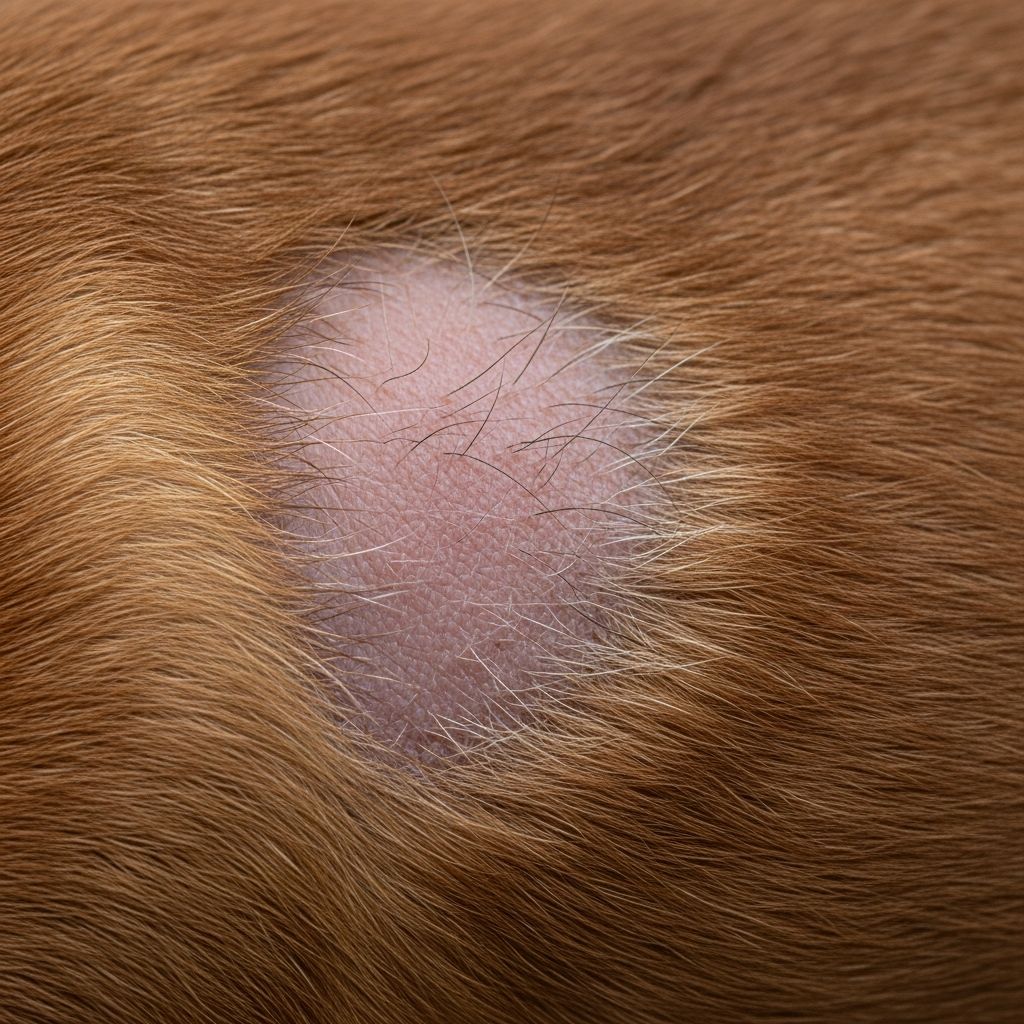
Dog Hair Loss Explained: Causes, Diagnosis, and Solutions
Hair loss in dogs, medically termed alopecia, manifests as thinning fur, bald patches, or excessive shedding, often signaling an underlying health issue rather than a cosmetic concern. Identifying the cause through observation of patterns, accompanying symptoms like itching or scaling, and professional veterinary evaluation is crucial for effective resolution.
Recognizing the Signs of Alopecia in Your Dog
Observe your dog’s coat for symmetrical thinning on flanks or tail, circular bald areas, or patchy loss around eyes and ears. Accompanying signs such as relentless scratching, red inflamed skin, scaly flakes, foul odor, or behavioral changes like lethargy help narrow down potential triggers. Patterns matter: widespread shedding might indicate hormonal problems, while localized spots often point to infections or parasites.
- Symmetrical hair loss: Common in endocrine disorders like hypothyroidism.
- Circular patches: Typical of fungal infections such as ringworm.
- Itchy, ragged edges: Suggests allergies or mite infestations.
- No itching, dull coat: Could signal nutritional gaps or aging.
Primary Culprits Behind Canine Hair Loss
Diverse factors from external parasites to internal imbalances contribute to alopecia. Understanding these allows targeted interventions.
Parasitic Infestations: Fleas, Mites, and More
External parasites top the list of hair loss causes. Fleas provoke intense itching via flea allergy dermatitis (FAD), where even minimal bites lead to self-inflicted baldness from chewing. Mange mites, including Demodex (favoring puppies and immunocompromised dogs) and Sarcoptes (scabies, highly contagious), burrow into skin causing crusty, widespread loss. Ticks and lice exacerbate irritation, while mosquitoes trigger localized reactions.
Detection involves skin scrapings revealing mites under microscope. Treatment encompasses prescription topicals like selamectin, environmental decontamination, and medicated dips for severe cases.
Allergic Reactions Disrupting the Coat
Allergies rank as a leading trigger, divided into environmental (atopic dermatitis from pollen, dust), food-related (proteins like beef or grains), and contact types. Dogs lick and scratch excessively, thinning fur over paws, belly, and ears. Flea allergies amplify this, with one bite sparking weeks of dermatitis.
Diagnosis requires elimination diets or intradermal testing. Management includes hypoallergenic foods, antihistamines, omega-3 supplements, and allergen-specific immunotherapy.
Infections Invading the Skin Barrier
Bacterial pyoderma arises secondary to allergies or moisture, forming pus-filled bumps and hair loss on face, legs, or trunk. Fungal ringworm creates telltale circular lesions with scaly borders, zoonotic to humans. Yeast overgrowth in moist folds like ears or paws leads to greasy, odorous bald spots.
Veterinary cultures confirm pathogens. Antibiotics target bacteria, antifungals like griseofulvin combat ringworm, often paired with lime-sulfur dips.
Hormonal Disruptions Altering Hair Cycles
Endocrine diseases profoundly affect fur. Hypothyroidism slows metabolism, yielding symmetrical flank baldness, dry skin, and weight gain. Cushing’s disease (hyperadrenocorticism) from excess cortisol causes pot-bellied appearance, increased thirst, and thin skin prone to bruising. Sex hormone imbalances during heat cycles or from medications mimic these.
Blood panels measure thyroid levels or cortisol. Lifelong levothyroxine for hypothyroidism or trilostane for Cushing’s restores growth with monitoring.
Other Contributors: Genetics, Nutrition, and Stress
Genetic conditions like color dilution alopecia in Dobermans or seasonal flank alopecia in Boxers cause predictable thinning without itch. Poor diets lacking zinc or fatty acids dull coats. Stress-induced overgrooming or lick granulomas create saliva-stained baldness. Friction from collars or rare autoimmune diseases like pemphigus round out causes.
How Veterinarians Diagnose Hair Loss
A thorough exam combines history, skin cytology, scrapings, fungal cultures, and biopsies for precision. Bloodwork screens hormones; allergy trials confirm sensitivities. Early intervention prevents secondary infections.
| Symptom Pattern | Likely Cause | Diagnostic Test |
|---|---|---|
| Symmetrical, non-itchy | Hormonal | Blood hormone panel |
| Itchy, patchy | Allergies/Parasites | Skin scraping, flea comb |
| Circular, scaly | Ringworm | Wood’s lamp, culture |
| Pustules, odor | Bacterial | Cytology swab |
Treatment Strategies for Restoring Your Dog’s Fur
Tailored therapies address roots while soothing symptoms. Parasite controls like isoxazolines kill mites swiftly. Allergy protocols evolve from shampoos to oclacitinib inhibitors. Infections demand 3-6 week antibiotic courses. Hormonal meds require compliance.
- Topicals: Medicated shampoos with chlorhexidine or miconazole.
- Orals: Apoquel for itch, trilostane for Cushing’s.
- Diets: Hydrolyzed protein trials lasting 8-12 weeks.
- Supplements: Fish oils reduce inflammation.
Holistic aids like acupuncture or laser therapy accelerate healing alongside conventionals.
Preventing Future Episodes of Hair Loss
Year-round flea preventives, hypoallergenic bedding, regular baths with oatmeal shampoos, and balanced nutrition fortify skin. Routine vet checkups catch issues early. Breed-specific grooming suits genetic predispositions.
Frequently Asked Questions (FAQs)
Is dog hair loss always serious?
Not always, but persistent cases warrant vet attention to rule out treatable conditions.
Can diet alone fix alopecia?
Nutritional tweaks help mild cases, but underlying diseases need medical intervention.
How long until fur regrows?
4-8 weeks post-treatment, varying by cause severity.
Is ringworm dangerous for humans?
Yes, especially children; isolate and treat promptly.
What breeds are prone to genetic hair loss?
Boxers, Schnauzers for flank alopecia; dilute-colored breeds for CDA.
Long-Term Management and Coat Health Tips
Monitor regrowth monthly, adjust preventives seasonally, and maintain omega-rich diets. Stress reduction via puzzle toys prevents behavioral licking. For chronic cases, referral to dermatologists ensures specialized care.
By addressing alopecia systematically, most dogs regain lustrous coats, enhancing comfort and quality of life.
References
- Hair Loss in Dogs and Cats: Identifying the Underlying Issues — Mountain View Veterinary Hospital. 2023. https://mtnviewvets.com/hair-loss-in-dogs-and-cats-identifying-the-underlying-issues/
- Hair Loss in Dogs: Causes, Symptoms, and Treatment — PetMD. 2024-01-15. https://www.petmd.com/dog/conditions/skin/hair-loss-dogs-causes-symptoms-and-treatment
- Why Is Your Pet Losing Hair? Causes & Solutions for Dogs & Cats — Oakdale Veterinary Group. 2023-05-10. https://oakdalevet.com/why-is-your-pet-losing-hair-causes-solutions-for-dogs-cats/
- Hair Loss (Alopecia) in Dogs — Merck Veterinary Manual. 2025-02-20. https://www.merckvetmanual.com/dog-owners/skin-disorders-of-dogs/hair-loss-alopecia-in-dogs
- Hair Loss in Dogs: Signs, Symptoms, and Treatments — American Kennel Club. 2024. https://www.akc.org/expert-advice/health/hair-loss-in-dogs/
Similar Articles








Read full bio of Sneha Tete




