

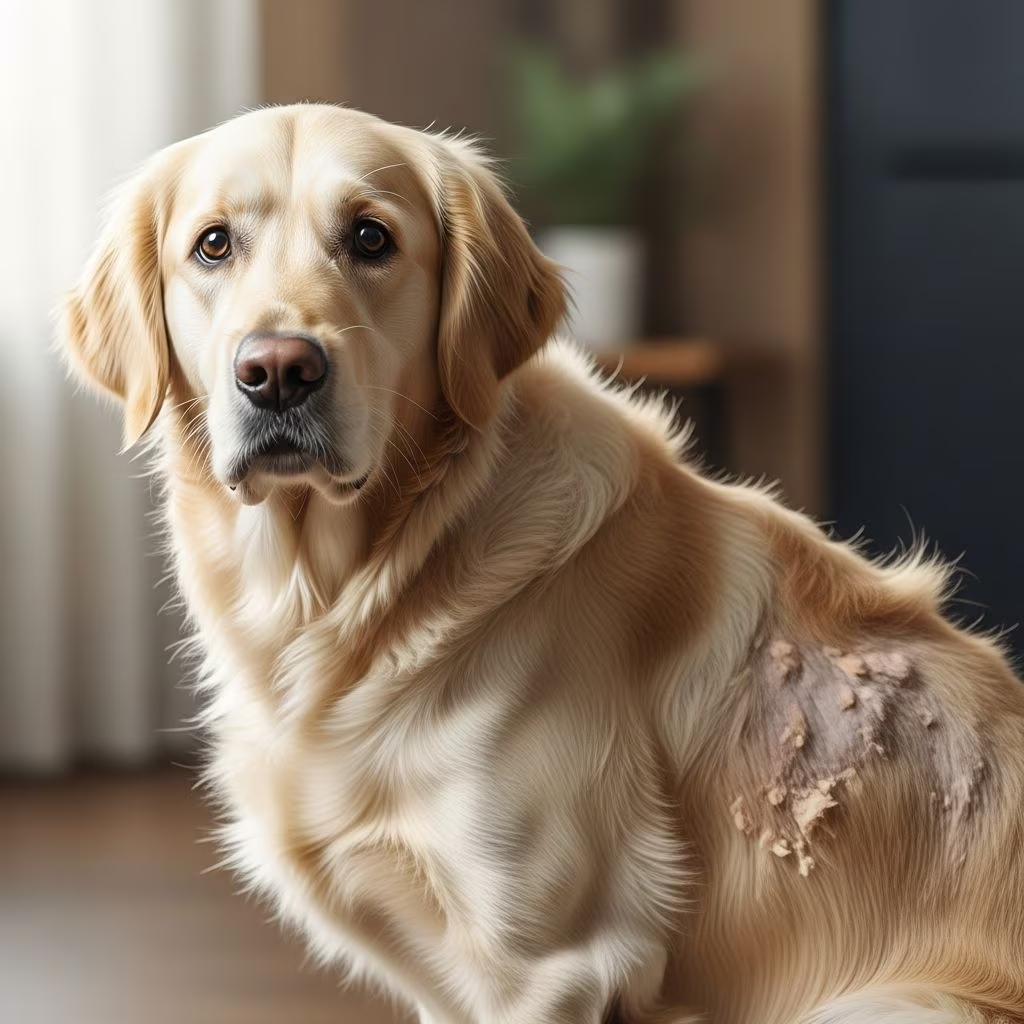
Hair loss in dogs, known medically as alopecia, manifests as bald patches, thinning fur, or widespread shedding beyond normal seasonal changes. This condition often signals underlying health problems ranging from minor irritations to serious diseases, requiring prompt veterinary evaluation for proper management.
Recognizing the Signs of Abnormal Hair Loss
Distinguishing normal shedding from pathological hair loss is crucial for dog owners. Normal shedding involves even fur dispersal, typically increasing in spring and fall, without skin changes or discomfort. In contrast, alopecia presents with uneven bald spots, often on the back, flanks, tail base, or paws, accompanied by symptoms like intense itching, redness, scabs, pustules, oily discharge, or foul odor.
- Bald patches: Circular or irregular areas of complete hairlessness, sometimes symmetrical.
- Thinning coat: Diffuse reduction in fur density across larger body areas.
- Skin alterations: Inflammation, scaling, bumps, blisters, or hyperpigmentation.
- Behavioral cues: Excessive scratching, licking, chewing, or restlessness indicating itch or pain.
These signs vary by cause; for instance, allergic reactions provoke vigorous scratching, while hormonal disorders lead to symmetrical, non-itchy loss.
Primary Culprits Behind Canine Alopecia
Numerous factors contribute to dog hair loss. Understanding these helps in targeted intervention.
Allergic Reactions Triggering Itch and Loss
Allergies rank among the most frequent causes, prompting dogs to scratch or lick excessively, damaging follicles. Food allergies stem from sensitivities to proteins like beef, dairy, or grains, causing year-round symptoms including gastrointestinal upset alongside dermatological issues.
Environmental allergens—pollen, dust mites, molds—worsen seasonally, leading to paw licking, ear infections, and ventral dermatitis. Flea allergy dermatitis (FAD), from hypersensitivity to flea saliva, creates intense itching even from minimal infestations, resulting in hot spots and self-inflicted baldness.
Parasitic Infestations Disrupting the Coat
External parasites inflict direct damage and provoke allergic responses. Fleas cause flea dirt (black specks) and red papules, with FAD amplifying hair loss at the rump and thighs.
Mites responsible for demodicosis (demodex mange) or sarcoptic mange burrow into skin, producing crusty, inflamed lesions. Ticks and lice contribute through blood meals and irritation. Regular preventatives are essential, as these pests thrive in warm environments.
Skin Infections Eroding Fur Growth
Bacterial pyoderma arises secondary to allergies, parasites, or wounds, featuring pustules, crusts, and hair loss in folds or trauma sites. Yeast overgrowth (Malassezia dermatitis) yields greasy, odorous skin with thickened, alopecic areas.
Fungal infections like ringworm (dermatophytosis) form expanding circular patches with broken hairs and scaling, highly contagious to pets and humans. Prompt antifungal or antibiotic therapy halts progression.
Hormonal Disorders Altering Hair Cycles
Endocrine imbalances disrupt normal hair growth phases. Hypothyroidism, prevalent in breeds like Golden Retrievers and Boxers, reduces thyroid hormone, yielding dry, dull coat with symmetrical loss, lethargy, and weight gain.
Cushing’s disease (hyperadrenocorticism) from adrenal or pituitary tumors elevates cortisol, causing pot-bellied appearance, polyuria, polydipsia, panting, and thin skin prone to secondary infections and hair loss. Lifelong medication often manages these.
Nutritional Shortfalls and Dietary Impacts
Inadequate nutrition impairs keratin production and follicle health. Deficiencies in omega-3 fatty acids, zinc, biotin, or vitamin E manifest as poor coat quality and alopecia, especially in malnourished or poorly fed dogs.
Switching to premium, balanced diets rich in these nutrients supports recovery, though food trials confirm if allergies contribute.
Behavioral and Stress-Related Self-Trauma
Anxiety induces compulsive licking or chewing (psychogenic alopecia), creating lick granulomas or flank baldness. Triggers include separation, household changes, or boredom.
Acral lick dermatitis from chronic licking forms raised, ulcerated plaques on limbs. Environmental enrichment, training, or anxiolytics alleviate this.
Less Common Triggers: Genetics, Aging, and Trauma
Congenital alopecia affects hairless breeds or color dilution alopecia in blue/grey-coated dogs. Aging thins fur naturally, while pressure sores from immobility or trauma cause localized loss.
Cancer treatments like chemotherapy induce temporary telogen effluvium, with regrowth post-therapy.
Diagnosing the Root Cause Effectively
Veterinary assessment is indispensable, starting with history, physical exam, and skin scrapings for parasites. Cytology, fungal cultures, blood tests for hormones, and allergy trials pinpoint issues.
| Test | Targets | Purpose |
|---|---|---|
| Skin scraping | Mites, bacteria | Visualize parasites/infection |
| Cytology | Yeast, pus cells | Assess inflammation |
| Blood panel | Thyroid, cortisol | Detect endocrine disease |
| Biopsy | All tissues | Confirm tumors, autoimmune |
| Food trial | Allergens | Elimination diet response |
Treatment Strategies for Restoring the Coat
Tailored therapies address specifics: parasite controls (topicals/orals), medicated shampoos, antibiotics/antifungals for infections, hormone replacements for endocrinopathies, and hypoallergenic diets for allergies.
E-collars prevent self-trauma, while supplements (omegas, zinc) aid regrowth. Behavioral cases benefit from puzzles, exercise, or meds. Expect 4-12 weeks for improvement; monitor for resistance.
Preventive Measures for a Luscious Coat
- Flea preventatives year-round.
- Balanced, AAFCO-approved diet.
- Regular grooming/brushing to monitor skin.
- Limit allergen exposure; hypoallergenic bedding.
- Annual vet checkups for early detection.
Proactive care minimizes risks.
Frequently Asked Questions
Will my dog’s hair grow back after hair loss?
Yes, most cases regrow fur post-treatment if follicles remain intact; severe scarring may limit recovery.
Is dog hair loss contagious?
Only if fungal/parasitic; ringworm spreads to humans/pets, fleas jump.
How long before seeing treatment results?
Typically 2-8 weeks; full regrowth takes months.
Can diet alone fix hair loss?
Helpful for deficiencies but not primary allergies/infections/hormones.
When is hair loss an emergency?
If widespread, with lethargy, wounds, or systemic signs—seek immediate vet care.
References
- Why Is My Dog Losing Hair — Dix Hills Animal Hospital. 2023. https://dixhillsanimalhospital.com/blog/why-is-my-dog-losing-hair/
- Hair Loss in Dogs: Causes, Symptoms, and Treatment — PetMD. 2023. https://www.petmd.com/dog/conditions/skin/hair-loss-dogs-causes-symptoms-and-treatment
- Dog Bald Spots, Dog Hair Loss, Balding Dogs — WebMD. 2023. https://www.webmd.com/pets/dogs/dog-bald-spot
- Hair Loss in Dogs: Signs, Symptoms, and Treatments — American Kennel Club. 2023. https://www.akc.org/expert-advice/health/hair-loss-in-dogs/
- Hair Loss (Alopecia) in Dogs — Merck Veterinary Manual. 2023. https://www.merckvetmanual.com/dog-owners/skin-disorders-of-dogs/hair-loss-alopecia-in-dogs



