

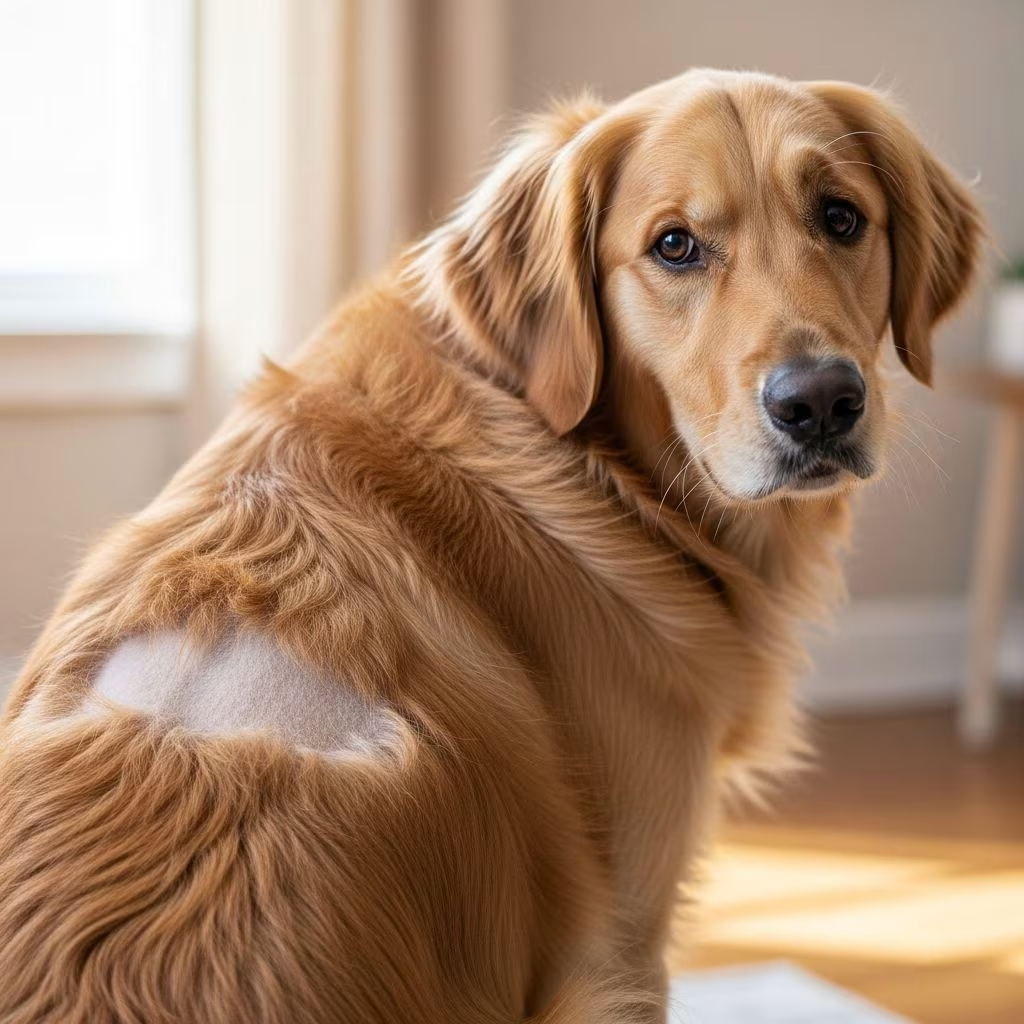
Hair loss in dogs, known medically as alopecia, manifests as bald patches, thinning fur, or complete baldness in areas where hair should grow. This condition affects dogs of all ages and breeds, often signaling underlying health issues that require prompt attention from a veterinarian. While some cases resolve with simple interventions, others demand comprehensive diagnostic approaches to identify root causes like infections, allergies, or genetic factors. Early detection improves outcomes, preventing secondary complications such as skin infections.
Recognizing the Signs of Alopecia in Canines
Owners typically notice alopecia when fur appears uneven or absent in spots. Common indicators include symmetrical bald areas on the flanks, legs, or tail, accompanied by redness, scaling, or odor. Some dogs exhibit excessive scratching, licking, or chewing at affected sites, worsening the hair loss. Unlike normal shedding, alopecia involves non-regrowth areas and may coincide with behavioral changes like restlessness. Differentiating it from seasonal molting is crucial, as true alopecia persists beyond typical shedding cycles.
- Patchy baldness: Irregular spots without fur regrowth.
- Itching or discomfort: Scratching leads to self-inflicted wounds.
- Skin changes: Redness, flakiness, or oily discharge.
- Secondary signs: Foul smell from bacterial overgrowth.
Primary Culprits Behind Canine Fur Thinning
Alopecia stems from diverse origins, broadly categorized into infectious, allergic, hormonal, genetic, and behavioral factors. Parasitic infestations top the list, with fleas, mites, and lice burrowing into skin, triggering intense irritation and hair fallout. Allergies, whether to food proteins or environmental pollen, provoke over-grooming that strips fur. Hormonal disruptions, such as hypothyroidism or Cushing’s disease, slow follicle activity, leading to diffuse thinning. Genetic predispositions affect certain breeds, while nutritional gaps exacerbate vulnerability.
Parasites and External Invaders
Fleas represent the most frequent trigger, their saliva inciting flea allergy dermatitis (FAD) with rapid bald patches on the rump and thighs. Demodectic mange from mites causes localized or widespread loss, especially in puppies with immature immunity. Sarcoptic mange spreads via contact, producing crusty, itchy lesions. Regular flea preventatives mitigate these risks, but unchecked infestations lead to anemia in severe cases.
Allergic Reactions and Skin Irritants
Atopic dermatitis from pollen, dust mites, or molds results in paw licking and ear rubbing alongside fur loss. Food allergies mimic these symptoms, often confirmed via elimination diets. Contact irritants like harsh shampoos or tight collars cause friction alopecia, rubbing away hair at pressure points.
Hormonal and Endocrine Disruptions
Hypothyroidism reduces thyroid hormone, yielding symmetrical baldness on both sides without itchiness. Cushing’s syndrome elevates cortisol, thinning trunk fur while sparing head and legs. Sex hormone imbalances during heat cycles or spay complications contribute similarly.
Genetic and Congenital Factors
Color dilution alopecia (CDA) plagues dogs with blue or fawn dilute coats, like Dobermans or Italian Greyhounds, due to melanin gene defects weakening follicles. Alopecia X, prevalent in Huskies and Pomeranians, arrests hair cycles cosmetically without inflammation. These hereditary issues emerge post-puppyhood, varying in severity.
| Condition | Affected Breeds | Key Features |
|---|---|---|
| Color Dilution Alopecia | Doberman, Whippet | Patchy loss in dilute coats, flaky skin |
| Alopecia X | Alaskan Malamute, Pomeranian | Symmetrical baldness, no itch |
| Pattern Baldness | Dachshund, Chihuahua | Face/ears, cosmetic only |
Diagnostic Approaches for Accurate Identification
Veterinarians start with a full history, noting onset, diet changes, and exposures, followed by skin scrapings for parasites. Cytology examines cells for bacteria or yeast, while fungal cultures detect ringworm. Blood panels screen thyroid and cortisol levels; biopsies provide definitive insights into genetics or autoimmunity. Trichograms analyze hair shafts under microscopy. Ruling out multiples ensures targeted therapy.
- Skin scrapings and tape preps for mites/bacteria.
- Bloodwork for endocrine function.
- Biopsy for chronic cases.
- Allergy testing or food trials.
Treatment Strategies Tailored to the Cause
Therapy hinges on diagnosis. Parasitic cases resolve with topical dips, oral ivermectin, or flea topicals. Allergies benefit from antihistamines, cyclosporine, or hypoallergenic diets. Hormonal fixes include levothyroxine for thyroid issues or trilostane for Cushing’s. Genetic alopecia focuses on symptom relief via omega-3 supplements and medicated shampoos. Anti-itch cones prevent licking.
Medications and Topicals
Antibiotics combat pyoderma; antifungals clear ringworm. Steroids offer quick itch relief but require tapering. Novel treatments like lokivetmab injections target itch pathways.
Nutritional and Supplemental Support
Omega-3 fatty acids bolster skin barrier, reducing inflammation. Balanced diets prevent deficiencies fueling alopecia.
Preventive Measures for a Luscious Coat
Monthly parasite preventatives, hypoallergenic bedding, and regular baths curb triggers. Routine vet exams catch issues early. Breed-specific grooming, like brushing dilutes, minimizes breakage. Flea combs and environmental cleanups protect multi-pet homes.
When to Seek Urgent Veterinary Care
Rush to the vet if hair loss spreads rapidly, skin ulcerates, or your dog seems lethargic/painful. Systemic signs like vomiting signal deeper problems. Delays risk chronicity or sepsis.
Frequently Asked Questions (FAQs)
Is dog hair loss always serious?
Not always; seasonal or friction types self-resolve, but persistent cases warrant checks.
Can diet alone fix alopecia?
Diet aids allergies or deficiencies but doesn’t address parasites or hormones.
Will my dog’s fur grow back?
Yes in most treatable causes; genetic ones manage but may not fully regrow.
How much does treatment cost?
Varies; diagnostics $200-500, meds $50-200/month. Insurance offsets.
Can humans catch dog alopecia?
No, but ringworm or mange transmits—treat promptly.
Long-Term Management for Optimal Skin Health
Chronic alopecia demands ongoing vigilance: quarterly bloodwork for endocrines, annual dermatology consults. Behavioral therapies address lick granulomas from anxiety. Holistic aids like acupuncture show promise in refractory cases. Track progress with photos, adjusting protocols as needed. A thriving coat reflects holistic wellness.
References
- Color Dilution Alopecia in Dogs – CDA Causes & Treatments — Friendly Animal Clinic. 2023-10-31. https://www.greensboroncvet.com/site/friendly-animal-clinic-blog/2023/10/31/color-dilution-alopecia-treatment
- Hair loss (alopecia) in dogs — PDSA. N/A. https://www.pdsa.org.uk/pet-help-and-advice/pet-health-hub/symptoms/hair-loss-alopecia-in-dogs
- Hair Loss Patches in Dogs – Causes & What To Do — VRCC. 2023-01-15. https://www.vrcc.com/site/blog/2023/01/15/hair-loss-dog
- Hair Loss in Dogs: Causes, Symptoms, and Treatment — PetMD. N/A. https://www.petmd.com/dog/conditions/skin/hair-loss-dogs-causes-symptoms-and-treatment
- Alopecia X in Dogs (Hair Cycle Arrest) — MedVet. N/A. https://www.medvet.com/alopecia-x-in-dogs-hair-cycle-arrest/
- Hair Loss (Alopecia) in Dogs — Merck Veterinary Manual. N/A. https://www.merckvetmanual.com/dog-owners/skin-disorders-of-dogs/hair-loss-alopecia-in-dogs



