

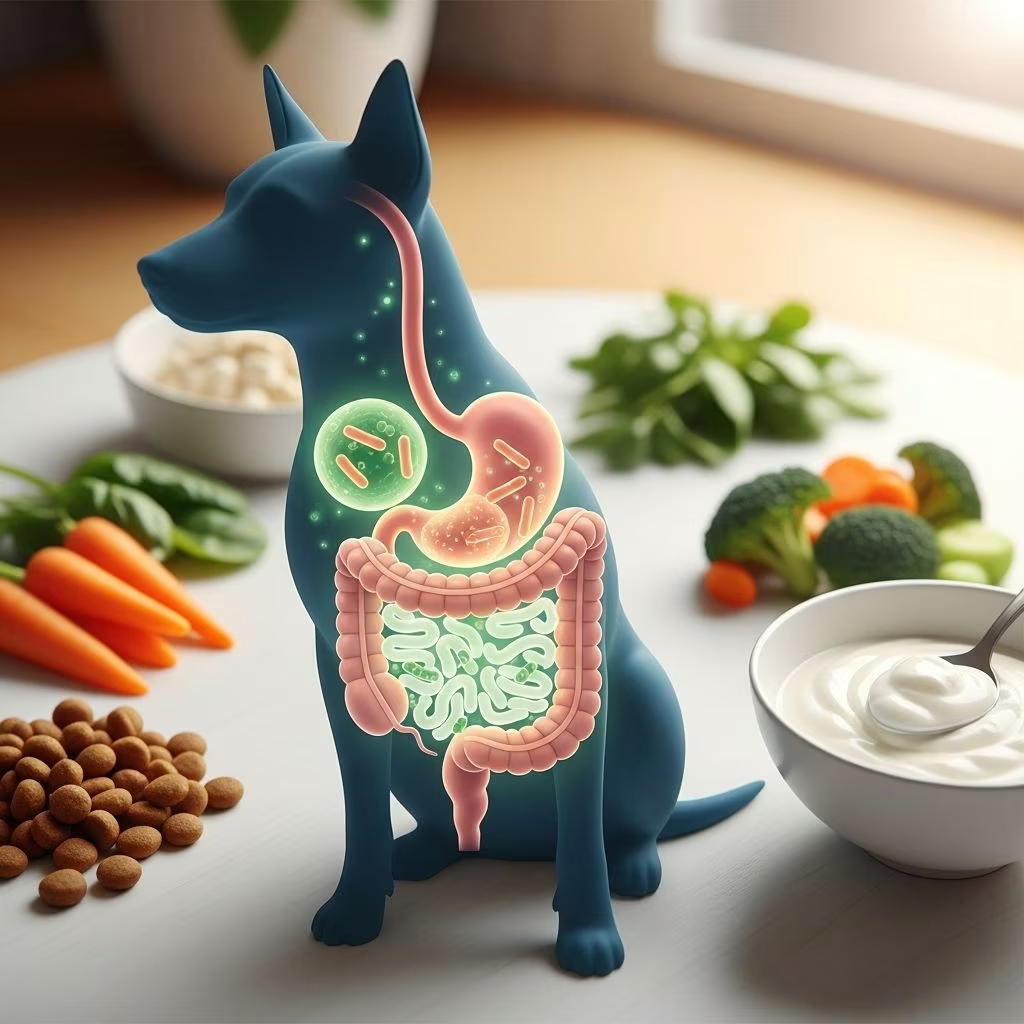
The digestive system plays a crucial role in a dog’s overall vitality, processing food into energy and nutrients while eliminating waste. When disruptions occur, they can range from mild inconveniences to life-threatening conditions. This guide delves into the spectrum of canine gastrointestinal challenges, equipping owners with knowledge to identify, address, and prevent them effectively.
Common Digestive Disturbances in Canines
Dogs frequently encounter gut-related troubles due to their curious nature and varied diets. Acute gastroenteritis tops the list, manifesting as sudden stomach and intestinal inflammation often triggered by ingesting inappropriate items.
- Acute Gastroenteritis: Short-lived irritation from spoiled eats, fatty human treats, or toxins, leading to rapid symptom onset.
- Chronic Diarrhea: Persistent loose stools stemming from ongoing irritants like parasites or food sensitivities.
- Constipation: Difficulty passing stool, linked to low water intake, inactivity, or indigestible objects like bones.
- Pancreatitis: Pancreatic swelling, frequently from high-fat meals, causing severe pain and digestive halt.
- Malabsorption Syndromes: Poor nutrient uptake in the small intestine, resulting in weight drop despite normal eating.
These issues vary in severity but share roots in dietary lapses, infections, or underlying organ dysfunctions.
Recognizing Warning Signs
Early detection hinges on observing behavioral and physical changes. Primary indicators include altered stool consistency and expulsion frequency.
| Symptom | Description | Potential Severity |
|---|---|---|
| Vomiting | Expelling stomach contents, possibly with bile or foam | Mild to emergency if frequent |
| Diarrhea | Watery or soft stools, sometimes bloody | Dehydration risk high |
| Abdominal Discomfort | Hunched posture, whining, or guarding belly | Indicates inflammation |
| Lethargy | Reduced energy, appetite loss | Chronic concern |
| Flatulence/Belching | Excess gas production | Often diet-related |
Additional red flags encompass lip licking, fever, or bloating. Puppies and seniors face heightened risks due to immature or weakened defenses.
Root Causes Explored
Understanding triggers empowers proactive care. Most episodes trace to everyday mishaps, but some signal deeper pathology.
Dietary Missteps
The leading culprit: scavenging garbage, abrupt food switches, or fatty scraps overwhelm the gut. Rapid diet changes without gradual transition provoke imbalance, as the microbiome needs time to adapt.
Infectious Agents
Bacteria (e.g., Salmonella), viruses (e.g., parvovirus), and parasites (e.g., worms) inflame the tract. These pathogens disrupt normal flora, amplifying symptoms.
Foreign Bodies and Obstructions
Swallowed toys, strings, or bones create blockages, telescoping intestines (intussusception), or herniations. Young dogs are prone due to exploratory chewing.
Systemic Conditions
Pancreatic insufficiency, liver/kidney woes, or endocrine imbalances like diabetes indirectly impair digestion. Ulcers from medications or tumors erode linings, fostering bleeding.
Stress and Environmental Factors
Anxiety from travel or new homes alters motility, mimicking infection.
When to Contact a Veterinarian
Not all bouts demand immediate intervention, but persistent or intense signs warrant professional evaluation.
- Diarrhea or vomiting lasting over 24 hours
- Blood in stool or vomit
- Signs of pain or dehydration (dry gums, sunken eyes)
- Lethargy, fever, or appetite refusal
- Puppy, senior, or pre-existing condition cases
Dehydration escalates quickly; vets assess via bloodwork, imaging, or endoscopy for precise diagnosis.
Diagnostic Approaches
Veterinarians employ targeted tests to pinpoint issues:
- Fecal Analysis: Detects parasites or bacteria.
- Blood Panels: Checks organ function, hydration, electrolytes.
- Imaging (X-rays, Ultrasound): Reveals obstructions or masses.
- Endoscopy/Biopsy: Visualizes and samples inflamed tissues.
These confirm whether simple dietary tweaks suffice or hospitalization with fluids and meds is needed.
Treatment Strategies
Management tailors to cause and severity, prioritizing stabilization.
- Supportive Care: Withholding food 12-24 hours, then bland diets (boiled chicken/rice).
- Medications: Anti-nausea, probiotics, antibiotics if infected, pain relief.
- Fluid Therapy: IV or subcutaneous for rehydration.
- Surgery: For blockages or severe pancreatitis.
Hospitalization aids critical cases, monitoring vitals and correcting imbalances.
Preventive Measures for Optimal Gut Health
Proactive steps minimize recurrence:
- Consistent, high-quality diet; transition slowly over 7-10 days.
- Secure trash, avoid toxic foods/plants.
- Regular deworming, vaccinations (e.g., parvovirus).
- Daily exercise and fresh water access.
- Probiotics for microbiome support post-illness.
Annual vet checkups catch subclinical issues early.
Special Considerations for At-Risk Dogs
Breeds like Bulldogs or deep-chested giants (e.g., Great Danes) face bloat risks, a rapid gastric dilatation emergency. Small breeds suffer pancreatitis more from fats. Age matters: pups battle infections, elders organ decline.
FAQs on Canine Digestive Health
What home remedies help mild upset stomachs?
Bland diets and hydration work short-term, but vet consultation prevents masking serious issues.
Is bloody diarrhea always an emergency?
Yes, it signals potential hemorrhage or infection needing prompt care.
Can stress alone cause chronic gut problems?
Yes, via motility changes, but rule out other causes.
How long before reintroducing normal food?
Gradually over 3-5 days post-resolution.
Are grain-free diets better for digestion?
Not necessarily; balance per nutritional standards trumps trends.
Long-Term Management of Recurrent Issues
For chronic cases like inflammatory bowel disease, hydrolyzed protein diets, immunosuppressants, or allergy testing maintain control. Owners track food diaries to identify triggers, ensuring sustained quality of life.
References
- Dog Diseases – Gastrointestinal Disorders — Hill’s Pet. 2023. https://www.hillspet.com/dog-care/healthcare/dog-gastrointestinal-and-digestive-problems
- Gastroenteritis in Dogs — VCA Animal Hospitals. 2024-01-15. https://vcahospitals.com/know-your-pet/gastroenteritis-in-dogs
- Vomiting and Diarrhoea in Dogs — Blue Cross. 2023-05-10. https://www.bluecross.org.uk/advice/dog/health-and-injuries/vomiting-and-diarrhoea-in-dogs
- Upset Stomach in Dogs: Signs and What To Do — PetMD. 2024-02-20. https://www.petmd.com/dog/conditions/digestive/upset-stomach-dogs
- Disorders of the Stomach and Intestines in Dogs — Merck Veterinary Manual. 2025-11-01. https://www.merckvetmanual.com/dog-owners/digestive-disorders-of-dogs/disorders-of-the-stomach-and-intestines-in-dogs
- Digestive Issues in Dogs: Causes, Prevention, and Treatment — Bond Vet. 2024-06-12. https://bondvet.com/blog/digestive-issues-in-dogs-causes-prevention-and-treatment



