

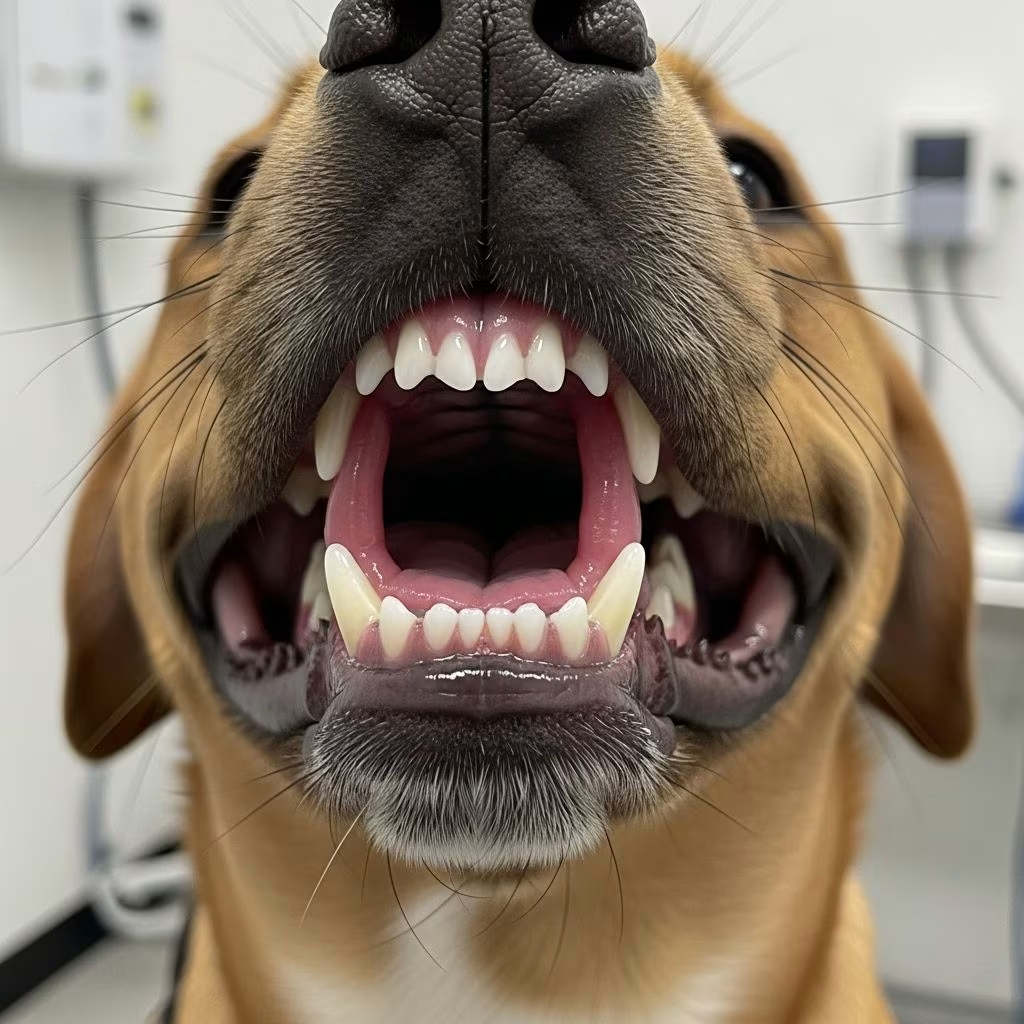
Examining your dog’s gums offers a quick window into their overall health, revealing issues from dehydration to serious diseases before symptoms worsen. Healthy gums signal good circulation and oxygenation, while abnormalities demand prompt action.
Characteristics of Healthy Canine Gums
Normal dog gums display a consistent **salmon-pink** or bubble-gum pink shade, reflecting robust blood flow and oxygen levels. They feel firm yet moist to the touch, akin to human gums, without stickiness or excessive dryness.
Some breeds, like certain hounds or labs, feature natural pigmentation—black spots or gray patches—which is harmless if the visible pink areas remain vibrant. Texture matters too: gums should speckle smoothly without lumps or ulcers.
To verify health, conduct the capillary refill time (CRT) test: Press gently on a pink gum section until it blanches white, then release. Color should return in 1-2 seconds, confirming efficient circulation. Moistness post-test indicates proper hydration; tacky residue suggests dehydration.
Abnormal Gum Colors and Their Implications
Gum discoloration often flags underlying conditions. Here’s a breakdown:
- Pale or white gums: Point to anemia, blood loss, or circulatory shock. Common in parasites, toxins, or chronic illness.
- Bright red or inflamed gums: Signal infection, gingivitis, or heatstroke. Swelling accompanies this in early periodontal stages.
- Blue or purple gums: Indicate oxygen starvation, possibly from respiratory distress, heart failure, or choking.
- Yellow gums (jaundice): Linked to liver dysfunction or hemolysis (red blood cell breakdown). Requires urgent care.
- Gray or muddy brown gums: Suggest cardiovascular collapse or severe toxicity.
These changes rarely occur alone—pair with lethargy, vomiting, or appetite loss for context.
Step-by-Step Home Gum Examination
Regular checks empower owners. Follow these steps weekly:
- Calm your dog in a quiet space; offer a treat post-exam.
- Gently lift the upper lip to expose gums above teeth.
- Locate non-pigmented pink areas for accurate assessment.
- Assess color against the healthy baseline.
- Perform CRT: Press for 2 seconds, time refill (under 2 seconds is ideal).
- Check moisture: Gums should feel damp, not dry or sticky.
- Inspect for bleeding, sores, or tartar buildup.
Perform during routine grooming to build habit. Puppies and seniors need extra vigilance due to vulnerability.
Prevalent Oral Conditions Affecting Gums
Periodontal disease strikes 80% of dogs by age three, starting with plaque that calcifies into tartar. This irritates gums, causing gingivitis, recession, and tooth loss if unchecked.
| Symptom | Stage | Health Risk |
|---|---|---|
| Halitosis | Early | Bacterial spread |
| Swollen, bleeding gums | Gingivitis | Pain, infection |
| Loose teeth, pus | Advanced | Organ damage |
Other issues include stomatitis (severe inflammation) and oral tumors, often mimicking color changes.
Preventive Strategies for Optimal Gum Health
Proactive care averts 90% of issues. Key practices:
- Daily brushing: Use enzymatic dog toothpaste on a soft brush, targeting gum lines.
- Dental chews/toys: VOHC-approved products scrape tartar mechanically.
- Dietary support: Kibble with fiber promotes chewing; water additives reduce bacteria.
- Professional cleanings: Annual vet scaling under anesthesia for thorough removal.
- Home monitoring: Monthly exams catch issues early.
Breeds like small dogs (e.g., Chihuahuas) face higher risks due to crowded teeth—tailor routines accordingly.
Systemic Health Links to Oral Conditions
Gum bacteria breach into blood, seeding endocarditis (heart valve infection), nephritis (kidney inflammation), and hepatic issues. Studies link untreated periodontitis to shortened lifespan.
Conversely, systemic diseases manifest orally: Diabetes causes red gums; kidney failure pales them. Holistic monitoring ties mouth health to vitality.
When to Seek Veterinary Intervention
Act immediately on abnormalities:
- Any color deviation from salmon-pink.
- CRT over 2 seconds.
- Dry/sticky texture.
- Bleeding, swelling, or refusal to eat.
Vets use diagnostics like bloodwork, X-rays, or biopsies. Delays exacerbate damage.
FAQs on Dog Gum Health
What do healthy dog gums look like?
Salmon-pink, firm, moist, with 1-2 second CRT refill.
Why are my dog’s gums pale, and what to do?
Pale gums signal anemia or shock—contact vet ASAP for blood tests.
Can gum disease impact my dog’s organs?
Yes, bacteria travel systemically, risking heart, liver, kidney damage.
How often should I check my dog’s gums?
Weekly at home; professional exams yearly or as advised.
Are black-spotted gums normal?
Yes, in pigmented breeds—assess pink areas only.
Advanced Care for Chronic Cases
For persistent issues, vets prescribe antibiotics, pain meds, or extractions. Home adjuncts like laser therapy reduce inflammation. Owners report improved energy post-treatment.
Integrate with full wellness: Vaccinations, parasite control bolster immunity against oral threats.
References
- Understanding Dog Gums: A Complete Guide to Canine Oral Health — PetsCare.com. 2023. https://www.petscare.com/news/post/understanding-dog-gums-guide
- Are My Dog’s Gums Pale? | Pet Health Advice — PDSA (YouTube). 2022-05-15. https://www.youtube.com/watch?v=YqBJSLafS8w
- How to Check Your Pet’s Gum Color — RBVH (YouTube). 2021-10-20. https://www.youtube.com/watch?v=PR0tKz5ikdY



