

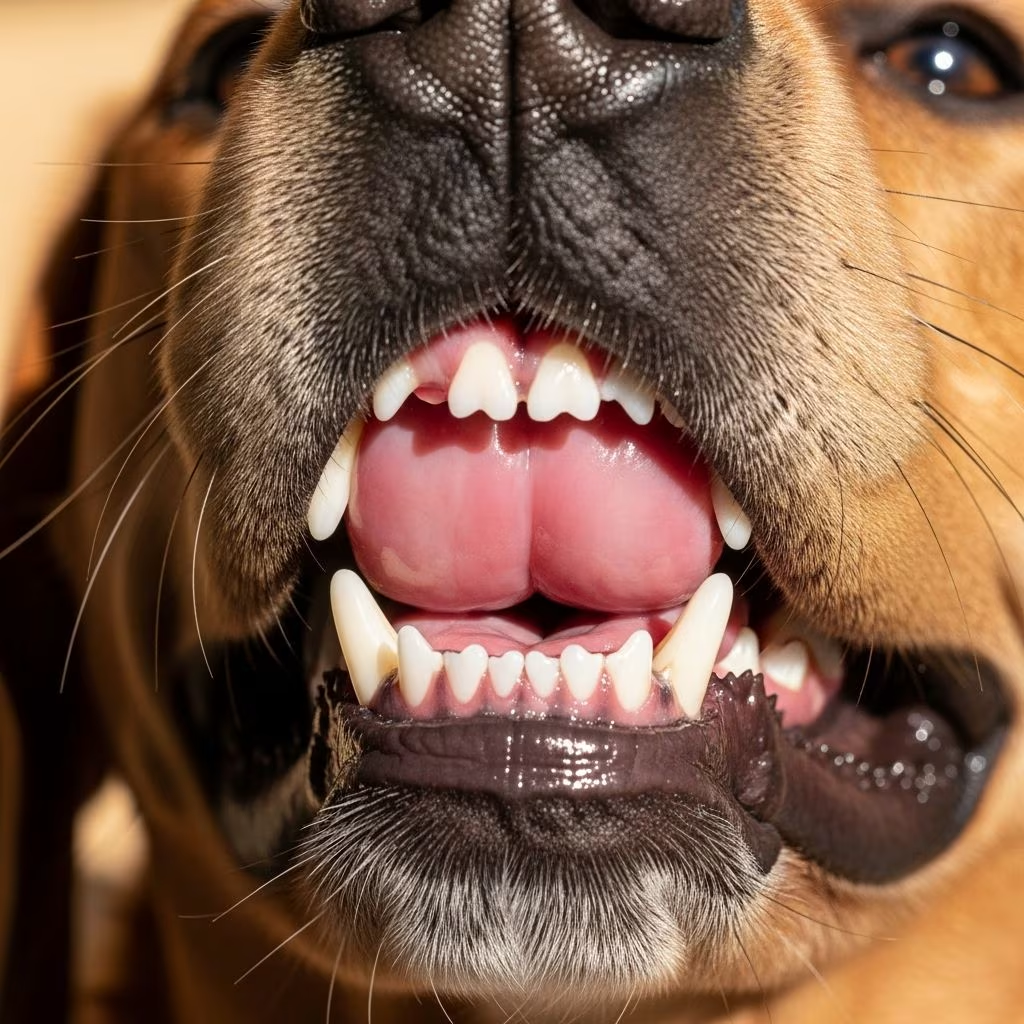
Checking your dog’s gums is a simple yet powerful way to monitor their overall health. Healthy dog gums are typically pink, moist, and firm, reflecting good circulation and oxygenation. Changes in colour—such as pale, red, blue, yellow, or spotted—can signal serious conditions like anemia, heart disease, poisoning, or liver issues. This guide covers normal and abnormal gum colours, how to perform checks at home, associated symptoms, and when to rush to the vet. Regular monitoring can lead to early intervention, potentially saving your dog’s life.
How to Check Your Dog’s Gums: Step-by-Step Guide
Examining your dog’s gums is quick and non-invasive. Do this weekly or if you notice lethargy, vomiting, or changes in appetite. Here’s how:
- Prepare your dog: Choose a calm moment, like after a walk. Gently lift the upper lip to expose the gums near the canine teeth.
- Observe colour: Healthy gums are salmon pink or bubblegum pink, like cooked shrimp. Note any deviation.
- Check texture: Gums should be moist and smooth, not dry, sticky, or inflamed.
- Test capillary refill time (CRT): Press firmly on the gum with your finger until it blanches white (1-2 seconds), then release. Colour should return in under 2 seconds. Slow refill indicates poor circulation.
- Smell the breath: Fresh or mild odour is normal; foul smell suggests dental disease.
- Look for other signs: Bleeding, ulcers, growths, or excessive drooling warrant immediate vet attention.
Some breeds like Chow Chows, Shar-Peis, or certain Pit Bulls have naturally black or spotted gums—this is normal if consistent since puppyhood. Always compare to their baseline.
Healthy Dog Gums: What They Look Like
Normal dog gums indicate balanced blood flow, oxygenation, and hydration. Key traits include:
- Colour: Uniform pink or pale pink (salmon shade). Slightly darker pink after exercise or excitement is fine, returning to normal quickly.
- Texture: Moist, firm, and smooth to the touch—not tacky or overly wet.
- No pain: Dog doesn’t recoil when you touch them.
- CRT: <2 seconds.
Pink gums mean your dog is in homeostasis: heart pumping efficiently, normal blood pressure, and no oxygen deficits. Maintain this with daily brushing, dental chews, and vet check-ups.
Unhealthy Dog Gum Colours and What They Mean
Gum colour shifts are red flags. Use this chart for quick reference:
| Gum Colour | Possible Causes | Urgency | Symptoms to Watch |
|---|---|---|---|
| Pink (Healthy) | Normal circulation | Low | Moist, quick CRT |
| Pale/White | Anemia, shock, blood loss, heart disease | High | Lethargy, weakness, rapid breathing |
| Bright/Cherry Red | Heatstroke, poisoning, high BP, infection | Emergency | Panting, vomiting, seizures |
| Blue/Purple/Gray | Cyanosis: low oxygen, heart/lung disease | Emergency | Collapse, laboured breathing |
| Yellow | Jaundice: liver disease, hemolysis | High | Vomiting, jaundice in eyes/skin |
| Spotted/Mottled (New) | Petechiae: clotting disorder, cancer | High | Bruising, bleeding |
| Bleeding/Inflamed | Gingivitis, dental infection | Medium-High | Bad breath, loose teeth |
Pale or White Dog Gums
Pale gums signal reduced blood volume or oxygen delivery, often from anemia (low red blood cells), internal bleeding, dehydration, or shock. Heart conditions or severe infections can also cause this. If gums are ghostly white, it’s an emergency—your dog may collapse soon. Accompanying signs: weakness, pale tongue, fast heartbeat.
Bright Red or Cherry Red Dog Gums
These indicate inflammation, toxicity, or overheating. Toxins like rat bait or carbon monoxide cause vasodilation; heatstroke leads to flushed tissues. Septicemia (blood infection) is another culprit. Gums may feel hot. Emergency if persistent post-exercise.
Blue, Purple, or Gray Dog Gums (Cyanosis)
Cyanosis means oxygen starvation, from respiratory distress, heart failure, hypothermia, or airway obstruction. Gums appear bluish due to deoxygenated blood. This is life-threatening—seek vet care immediately. Note: Breeds with dark gums need vet confirmation.
Yellow Dog Gums (Jaundice)
Yellowing from bilirubin buildup signals liver dysfunction, gallbladder issues, or red blood cell destruction (hemolytic anemia). Check eyes and skin too. Symptoms: lethargy, appetite loss, dark urine. Urgent vet bloodwork needed.
Spotted, Mottled, or Black Spots on Dog Gums
Normal in breeds like Rotweilers, but new spots (petechiae) indicate platelet issues or clotting disorders. Growths or ulcers may signal oral cancer or viral infections like papilloma. Monitor and photo changes.
Bleeding, Inflamed, or Red Swollen Gums
Often periodontal disease (80% of dogs over 3 years), gingivitis, or trauma. Bacteria cause plaque buildup, leading to infection. Bleeding on brushing is common. Untreated, leads to tooth loss and heart risks. Other causes: vitamin K deficiency, rat poison.
Other Signs of Gum and Oral Health Problems
Beyond colour, watch for:
- Bad breath (halitosis) from tartar.
- Drooling excessively.
- Difficulty eating or pawing at mouth.
- Loose or missing teeth.
- Growths, ulcers, or sores.
- Slow CRT (>2 seconds).
These compound with colour changes, pointing to systemic issues.
Dog Gum Colour Chart
Visual summary:
- Salmon Pink: Healthy ✓
- Pale Pink/White: Anemia/Shock ⚠️
- Bright Red: Toxin/Heatstroke 🚨
- Blue/Purple: Oxygen Lack 🚨
- Yellow: Liver Issues ⚠️
- Spots (New): Bleeding Disorder ⚠️
When to See a Vet: Red Flags
Immediate vet if:
- Any colour change persists >1 hour.
- Blue/purple/cherry red gums.
- Pale gums with collapse or bleeding.
- Yellowing with vomiting.
- Bleeding that doesn’t stop.
For non-emergencies like mild inflammation, schedule soon. Vets may do blood tests, X-rays, or dental cleanings.
Preventing Gum Health Issues in Dogs
Proactive care:
- Brush teeth daily with dog toothpaste.
- Provide dental chews/VOHC-approved toys.
- Feed dental diets.
- Annual vet oral exams.
- Avoid human foods/toxins.
Early detection via gum checks prevents 70% of dental diseases.
Frequently Asked Questions (FAQs)
What colour should healthy dog gums be?
Salmon pink or bubblegum pink, moist with quick CRT.
Are black gums normal in dogs?
Yes, in breeds like Chow Chows if lifelong; new changes aren’t.
What do pale gums mean in dogs?
Anemia, shock, or poor circulation—vet ASAP.
Why are my dog’s gums red?
Possible gingivitis, heatstroke, or poisoning. Monitor and consult vet.
Can yellow dog gums be serious?
Yes, indicates jaundice/liver issues—emergency.
How often should I check my dog’s gums?
Weekly, or daily if ill.
References
- Dog Gum Colour Chart: Healthy Vs. Unhealthy Signs — The Pet Lab Co. 2024. https://thepetlabco.ca/learn/health-wellness/dog-gum-colour
- Dog Gum Colors and What They Mean — PetMD. 2024. https://www.petmd.com/dog/general-health/dog-gum-colors-and-what-they-mean
- Healthy Dog Gums: Appearance & Warning Signs — Animal Dental AZ. 2024. https://animaldentalaz.com/what-do-healthy-dog-gums-look-like-signs-of-good-oral-health/
- Unhealthy Gums in Pets | Dog Gum Colour Chart — Pet Drugs Online. 2024. https://www.petdrugsonline.co.uk/pet-advice/healthy-vs-unhealthy-gum-colour-chart-dogs-cats
- Pale Gums in Dogs: Use our dog gum colour chart — Vets Now. 2024. https://www.vets-now.com/pet-care-advice/pale-gums-in-dogs/



