

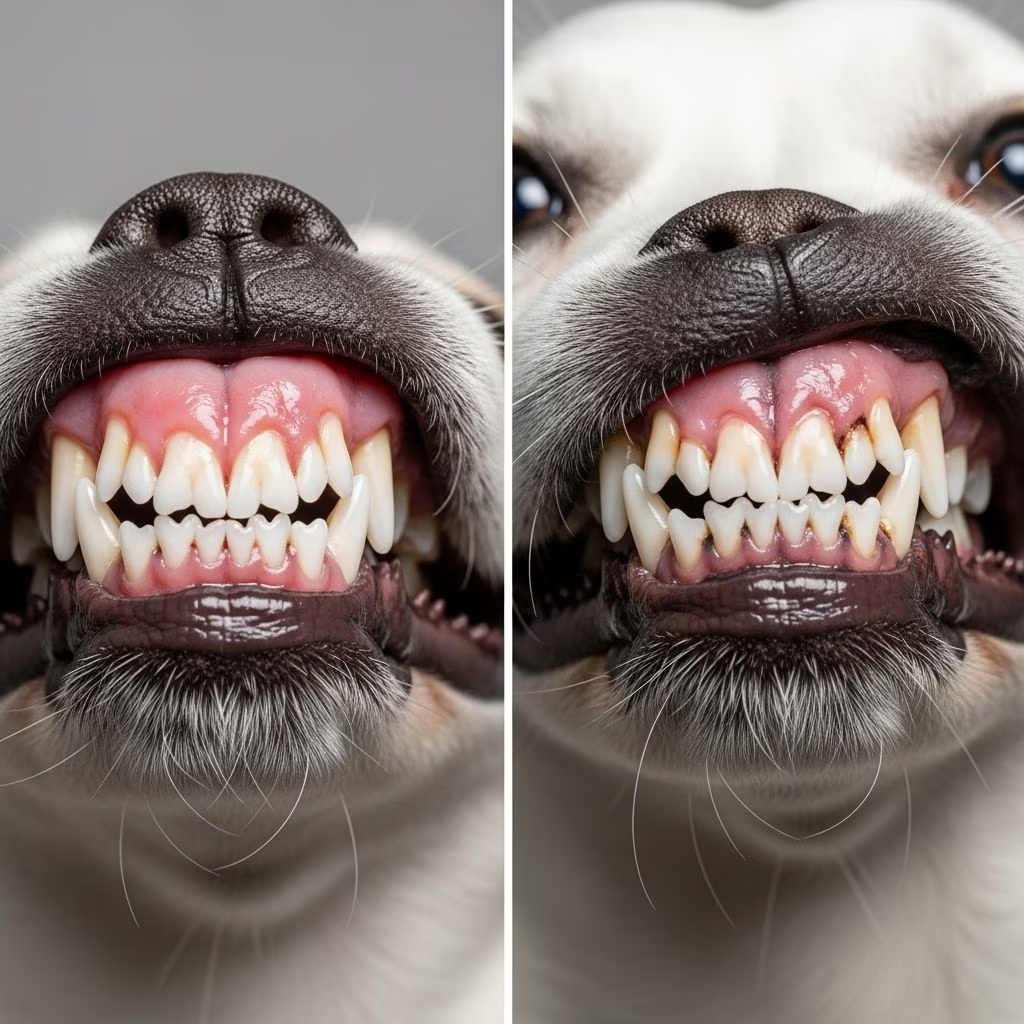
Monitoring your dog’s gums provides critical insights into their overall health. Healthy gums serve as a window into circulation, hydration, and dental condition, while changes in color or texture often reveal underlying issues like infections, anemia, or systemic diseases. Regular checks empower owners to catch problems early, preventing serious complications.
Characteristics of Healthy Dog Gums
Normal dog gums display consistent traits that reflect good health. They appear as a uniform **pale pink or coral pink**, similar to human gums, with a smooth, moist texture. Pigmentation varies by breed—some dogs have black or spotted gums naturally—but the non-pigmented areas should still show this pink base.
Key features include:
- Color: Light pink, speckled, or uniformly pigmented without pallor or redness.
- Texture: Firm and smooth, not swollen, ulcerated, or bleeding.
- Moisture: Slightly damp to the touch, indicating proper hydration.
- No odor: Breath should be neutral, not foul.
Besides appearance, perform the **capillary refill time (CRT) test**. Press your finger on the gum above a canine tooth until it blanches white, then release. Color should return in under 2 seconds, confirming strong circulation.
Unhealthy Gum Colors and Their Meanings
Deviations from pink signal potential emergencies or chronic conditions. Use this guide to interpret changes accurately.
| Gum Color | Possible Causes | Urgency Level |
|---|---|---|
| Pale or White | Anemia, blood loss, shock, low blood pressure, heart disease | Emergency |
| Bright Red or Inflamed | Infection, gingivitis, gum disease, allergies | High |
| Yellow (Jaundice) | Liver disease, hemolysis, post-transfusion | High |
| Blue, Purple, or Gray (Cyanosis) | Oxygen deprivation, respiratory issues, hypothermia, heart failure | Emergency |
| Brown or Black Spots (Abnormal) | Tartar buildup, advanced periodontal disease | Moderate to High |
These colors arise from disruptions in blood flow, oxygenation, or inflammation. For instance, pale gums occur when tissues lack blood supply, often from anemia or shock.
Common Signs of Gum Disease Beyond Color
Gum disease, or periodontal disease, affects over 80% of dogs by age three. It starts with plaque buildup leading to gingivitis and progresses to bone loss.
Watch for these symptoms:
- Halitosis: Persistent foul breath from bacterial overgrowth, not just ‘dog breath’.
- Swelling and Bleeding: Gums red, puffy, or bleeding during play or eating.
- Excessive Drooling: Unexplained saliva increase or blood-tinged drool.
- Eating Changes: Dropping food, favoring one side, avoiding hard kibble.
- Loose Teeth or Tartar: Yellow-brown crust, receding gums exposing roots.
- Behavioral Shifts: Pawing mouth, reduced play, facial swelling.
Early detection prevents tooth loss and bacterial spread to organs like heart and kidneys.
How to Perform a Home Gum Check
Weekly inspections take minutes but can save lives. Follow these steps safely:
- Prepare: Choose a calm moment; use treats for cooperation. Wash hands.
- Lift Lips: Gently expose upper and lower gums.
- Assess Color and Texture: Note pinkness, firmness, any spots or ulcers.
- Check Moisture: Touch gums—moist but not soggy.
- Test CRT: Press for 2 seconds; time refill (normal: <2 sec).
- Smell Breath: Fresh or foul?
- Inspect Teeth: Look for cracks, tartar, looseness.
If uncomfortable, consult a groomer or vet. Puppies and seniors need frequent checks.
Risks of Ignoring Gum Health Issues
Unaddressed problems escalate quickly. Gingivitis leads to periodontitis, destroying tooth-supporting structures. Bacteria enter the bloodstream, causing endocarditis, kidney failure, or pneumonia.
Systemic links include:
- Heart Disease: Valve infections from oral bacteria.
- Liver/Kidney Damage: Toxin overload.
- Diabetes Worsening: Inflammation spikes blood sugar.
Color changes like blue gums demand immediate ER visits, as they indicate life-threatening hypoxia.
Prevention Strategies for Optimal Gum Health
Proactive care keeps gums pink and healthy. Start early and stay consistent.
Daily Brushing: Use enzymatic dog toothpaste and soft brush 3-7 times weekly. Focus on outer surfaces.
Dental Chews and Toys: VOHC-approved products reduce plaque. Avoid hard items causing fractures.
Diet Choices: Kibble with dental benefits; add fresh veggies like carrots for scrubbing.
Professional Cleanings: Annual vet dental exams under anesthesia for scaling and polishing.
Water Additives: Antimicrobial rinses for plaque control.
Treatment Options for Problematic Gums
Vets diagnose via exam, X-rays. Treatments scale by severity:
- Mild Gingivitis: Home care intensification, antibiotics.
- Moderate Periodontitis: Deep cleanings, extractions.
- Systemic Issues: Address root causes like anemia transfusions or liver meds.
Post-treatment, maintain hygiene to prevent recurrence. Pain meds aid recovery.
When to Contact a Veterinarian Urgently
Act fast on these red flags:
- Any non-pink color persisting >24 hours.
- CRT over 2 seconds.
- Bleeding, swelling, or pus.
- Severe halitosis with appetite loss.
- Blue/pale gums—go to ER now.
Breeds like small dogs (e.g., Chihuahuas) are prone; schedule checkups biannually.
Frequently Asked Questions (FAQs)
What do healthy dog gums look like?
They are pale pink, moist, firm, with quick color return after pressing.
Are black gums normal in dogs?
Yes, in breeds like Labs; check unpigmented areas for pink base.
Can gum color indicate dehydration?
Tacky, dry gums suggest it; offer water and vet if persistent.
How often should I check my dog’s gums?
Weekly, or more for seniors/puppies.
Is bad breath always gum disease?
Often yes, but rule out diet or GI issues with vet.
Conclusion
Mastering dog gum assessment transforms pet care. Healthy pink gums mean vitality; abnormalities demand action. Integrate checks into routines, prioritize dental hygiene, and partner with vets for thriving companions.
References
- 5 Overlooked Signs of Gum Disease in Dogs to Watch For — Kainer Vet. Accessed 2026. https://kainervet.com/5-overlooked-signs-of-gum-disease-in-dogs-to-watch-for/
- Gum Disease in Dogs: Signs, Stages & Treatment — MediVet Group. Accessed 2026. https://www.medivetgroup.com/pet-care/pet-advice/gum-disease-in-dogs/
- Healthy vs Unhealthy Gums in Dogs — WellPets. 2023-09-01. https://www.wellpets.com/blog/90-healthy-vs-unhealthy-gums-in-dogs/
- Dog Gum Colors and What They Mean — PetMD. Accessed 2026. https://www.petmd.com/dog/general-health/dog-gum-colors-and-what-they-mean
- Spotting & Treating Gum Disease in Dogs — Purina. Accessed 2026. https://www.purina.com.sg/care-and-advice/dog/health/dog-gum-disease
- Dog Gum Colour Chart: Healthy Vs. Unhealthy Signs — The Pet Lab Co. Accessed 2026. https://thepetlabco.ca/learn/health-wellness/dog-gum-colour
- What color should healthy dog gums be? — Dial a Vet. Accessed 2026. https://www.dialavet.com/vet-answers/healthy-dog-gum-color-39153



