

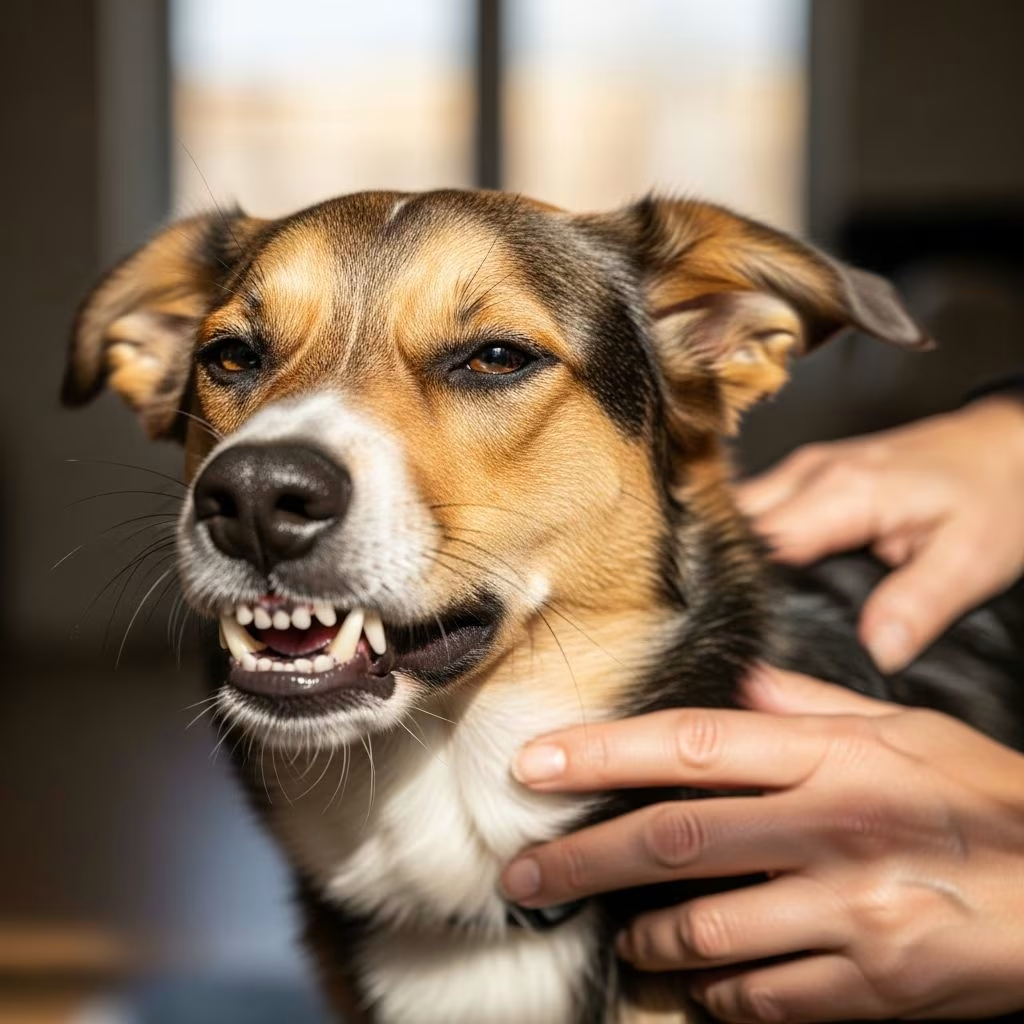
Growling during petting is a dog’s way of communicating discomfort, warning owners to back off before escalating to snaps or bites. Understanding these vocal cues helps prevent misunderstandings and fosters a safer relationship.
Recognizing the Warning Signs of Discomfort
Dogs use body language alongside growls to signal unease. Key indicators include stiffening of the body, lip licking, yawning, or averting gaze, which often precede vocal warnings. These subtle signals mean the petting is unwelcome, and ignoring them risks worsening the behavior.
- Stiff posture and frozen movement: The dog stops wagging its tail and tenses up, showing internal conflict.
- Ear flattening or tucking: Indicates submission or fear, especially around the head or neck.
- Whale eye: Whites of the eyes become visible as the dog looks away sideways.
- Tail position: A low or tucked tail contrasts with the typical happy wag.
Observing these early lets owners pause petting, avoiding escalation. Over time, consistent respect for these cues builds mutual trust.
Primary Physical Reasons for Growling
Pain is a leading trigger for growls during touch. Hidden injuries or illnesses make certain areas hypersensitive, prompting defensive reactions.
| Condition | Symptoms | Affected Areas |
|---|---|---|
| Skin infections or allergies | Itching, redness, hot spots | Back, belly, paws |
| Joint issues (arthritis) | Limping, reluctance to move | Hips, shoulders, legs |
| Dental or ear problems | Bad breath, head shaking | Mouth, ears |
| Internal pain (e.g., gastrointestinal) | Vomiting, diarrhea | Abdomen |
A veterinary exam rules out medical causes first. For instance, older dogs may develop cognitive dysfunction, heightening touch aversion due to confusion. Delaying a check-up can mask treatable conditions, prolonging discomfort.
Emotional and Psychological Triggers
Beyond pain, fear or anxiety drives many growls. Fear-motivated aggression shows as growling with a low posture when approached, treatable through better communication. Past trauma, like rough handling, conditions dogs to associate touch with threat.
Overstimulation mimics sensitivity but stems from excitement overload. Hyperactive dogs growl when petting pushes them past calm thresholds, unlike true aversion. Genetics play a role; some breeds are naturally more independent or wary.
- Fear-based: Cowering, trembling, avoidance of hands.
- Anxiety-driven: Pacing, panting without exertion, drooling.
- Overstimulation: Play bows turning into erratic jumps or nips.
Resource guarding extends to personal space; petting near food or toys triggers protective growls with direct stares and body hunching.
The Impact of Early Socialization and Training
Puppies socialized with varied gentle touches grow into touch-tolerant adults. Lack thereof leads to flinching or aggression from unexpected contact. Positive reinforcement during handling—pairing pets with treats—rewires negative associations.
Pack dynamics matter; dogs viewing owners as inconsistent leaders may growl to assert space. Balanced leadership involves calm energy, not smothering affection, which some interpret as weakness.
Step-by-Step Strategies to Reduce Growling
Addressing growls requires patience and consistency. Start with vet clearance, then rebuild touch positively.
- Observe and respect boundaries: Note exact spots or times of growls; avoid those initially.
- Desensitization training: Touch non-sensitive areas briefly, reward calm with high-value treats. Gradually extend to problem zones.
- Counter-conditioning: Pair touch with positivity; use toys or play post-pet if tolerated.
- Reduce unearned affection: Earn petting through commands like ‘sit,’ reinforcing leadership.
- Professional intervention: For persistent cases, consult certified trainers using force-free methods.
Track progress in a journal: note triggers, responses, and improvements. Most dogs improve within weeks with daily 5-10 minute sessions.
Distinguishing Growl Types for Better Response
| Growl Type | Context | Response Strategy |
|---|---|---|
| Pain growl | Specific area, consistent location | Vet visit; gentle handling only |
| Fear growl | New people, sudden moves | Slow exposure, confidence building |
| Warning growl | Petting too long/intense | Stop immediately, shorter sessions |
| Resource growl | Near valuables | Trade-up training with better items |
| Play growl | Loose body, wagging tail | Continue if mutual enjoyment |
Not all growls signal danger; rumbling during enjoyable pets indicates pleasure in some dogs. Context clarifies intent.
Common Mistakes Owners Make
Punishing growls suppresses warnings, leading to silent bites—a greater risk. Over-petting needy dogs overwhelms them, eroding respect. Forcing interactions heightens fear cycles.
- Avoid comforting during growls; it reinforces the behavior.
- Don’t use hands for corrections; opt for verbal cues and leashes.
- Skip baby talk; maintain calm, assertive tone.
Long-Term Prevention for a Touch-Friendly Dog
Integrate handling into routines: brush, wipe paws daily with rewards. Enroll in puppy classes for socialization. Maintain health via regular vet visits to catch issues early.
For seniors, adapt to reduced mobility—use soft brushes over hands. Multi-dog homes need individual assessments, as jealousy can mimic sensitivity.
When to Seek Urgent Professional Help
If growls accompany bites, rapid escalation, or occur without touch, consult a veterinary behaviorist. Signs of syndrome like sudden onset post-illness warrant immediate care.
Frequently Asked Questions (FAQs)
Is it okay to pet a growling dog?
No—stop immediately to respect the boundary and prevent bites. Resume only after addressing causes.
Why does my dog growl only at certain pets?
Localized pain or past negative experiences in those spots; vet check recommended.
Can puppies outgrow growling?
With proper training yes, but poor socialization worsens it; start early.
What if my dog growls during play?
Monitor body language; it’s often fine if relaxed, but pause if stiffening occurs.
How long until training works?
2-6 weeks with consistency; severe cases need pros.
References
- Why Does My Dog Growl When I Pet Him? — Balanced Pack K9 Training. 2023. https://balancedpackk9training.com/why-does-my-dog-growl-when-i-pet-him/
- Why Your Dog Growls When You Pet Them — Petcube. 2024. https://petcube.com/blog/my-dog-growl-when-i-pet-them/
- Why Is My Dog Growling at Me When I Touch Him? — Honest Paws. 2024. https://www.honestpaws.com/blogs/health/dog-touch-sensitive
- My DOG GROWLS at Me When I PET Them — AnimalWised (YouTube Transcript). 2023. https://www.youtube.com/watch?v=jEkxfe4Sots
- What Dog Growling Means and What To Do — PetMD. 2025-01-15. https://www.petmd.com/dog/behavior/why-do-dogs-growl



