

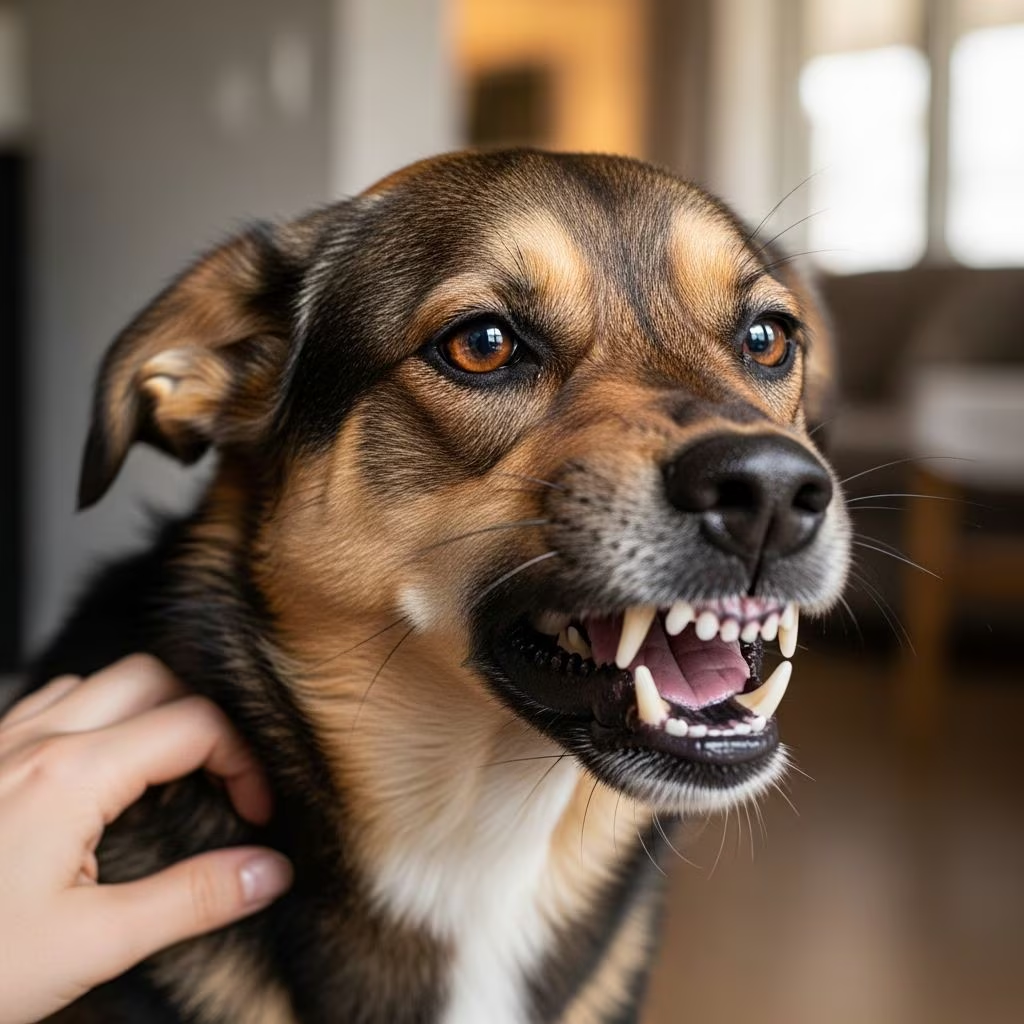
Your dog growling when petted can be alarming, but it’s often a communication signal rather than outright aggression. Dogs growl to express discomfort, fear, pain, or boundaries, helping prevent escalation to bites. Understanding the context is key to addressing it safely.
Why Do Dogs Growl When Petted?
Growling serves as a warning in canine communication, indicating your dog needs space. Common triggers include physical pain, emotional distress, or learned aversions. According to veterinary behaviorists, this vocalization is normal but requires prompt attention to avoid worsening.
- Pain or Injury: Dogs in pain from injuries, arthritis, or infections growl to protect sore areas. Touching these spots elicits defensive responses.
- Fear or Anxiety: Past trauma or lack of socialization makes some dogs view petting as threatening, leading to fear-based growling.
- Resource Guarding: If petting occurs near food, toys, or resting spots, dogs may growl to guard valued items.
- Overstimulation: Excited play can turn into growls if petting becomes too intense.
- Medical Conditions: Issues like dental problems or ear infections heighten sensitivity.
Is It Dangerous If My Dog Growls When I Pet Him?
Not always dangerous, but ignoring growls risks bites. Growling is a polite warning—suppressing it through punishment can lead to ‘silent bites’ without prior notice, increasing injury risk. Experts emphasize respecting this signal to build trust.
Observe body language: stiff posture, lip licking, or avoidance alongside growls signal rising stress. Never punish growling; it teaches dogs to skip warnings.
Medical Reasons Your Dog Growls When Touched
Pain often underlies touch sensitivity. A vet exam rules out health issues before behavior training.
| Condition | Symptoms | Common Areas |
|---|---|---|
| Dental Disease | Growling near mouth, drooling, bad breath | Head, muzzle |
| Ear Infections | Head shaking, odor, sensitivity | Ears, head |
| Arthritis | Limping, reluctance to move | Hips, back, legs |
| Skin Issues | Itching, hot spots | Back, belly |
| Cognitive Dysfunction (Senior Dogs) | Confusion, increased irritability | General body |
Schedule a vet visit if growling is new or localized. Early detection prevents chronic issues.
How to Stop Your Dog from Growling When You Pet Them
Address root causes with a multi-step approach: vet check, desensitization, and positive reinforcement. Patience yields results without force.
- Rule Out Medical Issues: Vet exam first.
- Identify Triggers: Note exact spots, times, and contexts of growls. Keep a journal.
- Stop Petting Immediately: Back off at first growl to honor boundaries.
- Desensitization Training: Gradually reintroduce touch.
- Positive Reinforcement: Reward calm responses with treats.
- Create Safe Spaces: Provide retreat areas.
Step-by-Step Desensitization Guide
Desensitization pairs touch with positivity, reducing negative associations.
- Start with non-sensitive areas (e.g., shoulders) using feather-light touches.
- Pair each touch with high-value treats and praise.
- Increase duration/intensity slowly over days/weeks.
- Stop if stress signs appear; progress at dog’s pace.
- Practice 5-10 minute sessions daily in calm environments.
Professional trainers enhance success rates through tailored plans.
Training Tips to Help a Growly Dog
Build tolerance via structured exercises. Consistency is crucial.
- Hand Targeting: Teach dog to touch nose to hand for rewards, progressing to body handling.
- Massage Techniques: Gentle, circular strokes on tolerant areas build comfort.
- Focus Commands: Use ‘look’ or ‘sit’ during petting to redirect attention.
- Avoid Punishment: Yelling heightens fear; positive methods strengthen bonds.
When to See a Vet or Behaviorist
Seek pros if:
- Growling escalates to snapping/biting.
- Persists post-vet clearance.
- Accompanies appetite loss, lethargy, or odd postures.
- Dog shows fear in other contexts.
Behaviorists use ethology-based methods for deep-seated issues like trauma. Vets handle pain-related aggression.
FAQs
Why does my dog growl at me when I pet him but not others?
This indicates trust differences or resource association with you (e.g., you feed/walk them). Build positive experiences consistently.
Should I ignore my dog’s growling during petting?
No—acknowledge by stopping. Ignoring risks bites; responding reinforces communication.
Can puppies growl when petted?
Yes, often from poor socialization or play exaggeration. Early training prevents habits.
How long does desensitization take?
Weeks to months, varying by dog. Track progress weekly.
Is growling during play normal?
Yes, if relaxed body and ‘play bow.’ Monitor for overstimulation.
Preventing Future Growling Issues
Proactive steps foster touch-loving dogs:
- Socialize puppies with varied handling.
- Regular vet checkups catch pain early.
- Use consent-based petting: let dog approach first.
- Enrich environment to reduce stress.
With time, most dogs enjoy petting again, deepening your bond.
References
- Why Is My Dog Growling at Me When I Touch Him? — Honest Paws. 2023. https://www.honestpaws.com/blogs/health/dog-touch-sensitive
- My DOG GROWLS at Me When I PET Them — AnimalWised (YouTube). 2024-09-27. https://www.youtube.com/watch?v=jEkxfe4Sots
- What Dog Growling Means and What To Do — PetMD. 2023. https://www.petmd.com/dog/behavior/why-do-dogs-growl
- Why Dogs Growl and How to Handle It — American Kennel Club. 2023. https://www.akc.org/expert-advice/training/why-dogs-growl-and-how-to-handle-it/
- Why I Like Warning Signs & What to Do with a Growling Pet — Pet Harmony Training. 2023. https://petharmonytraining.com/why-i-like-warning-signs-what-to-do-with-a-growling-pet/



