

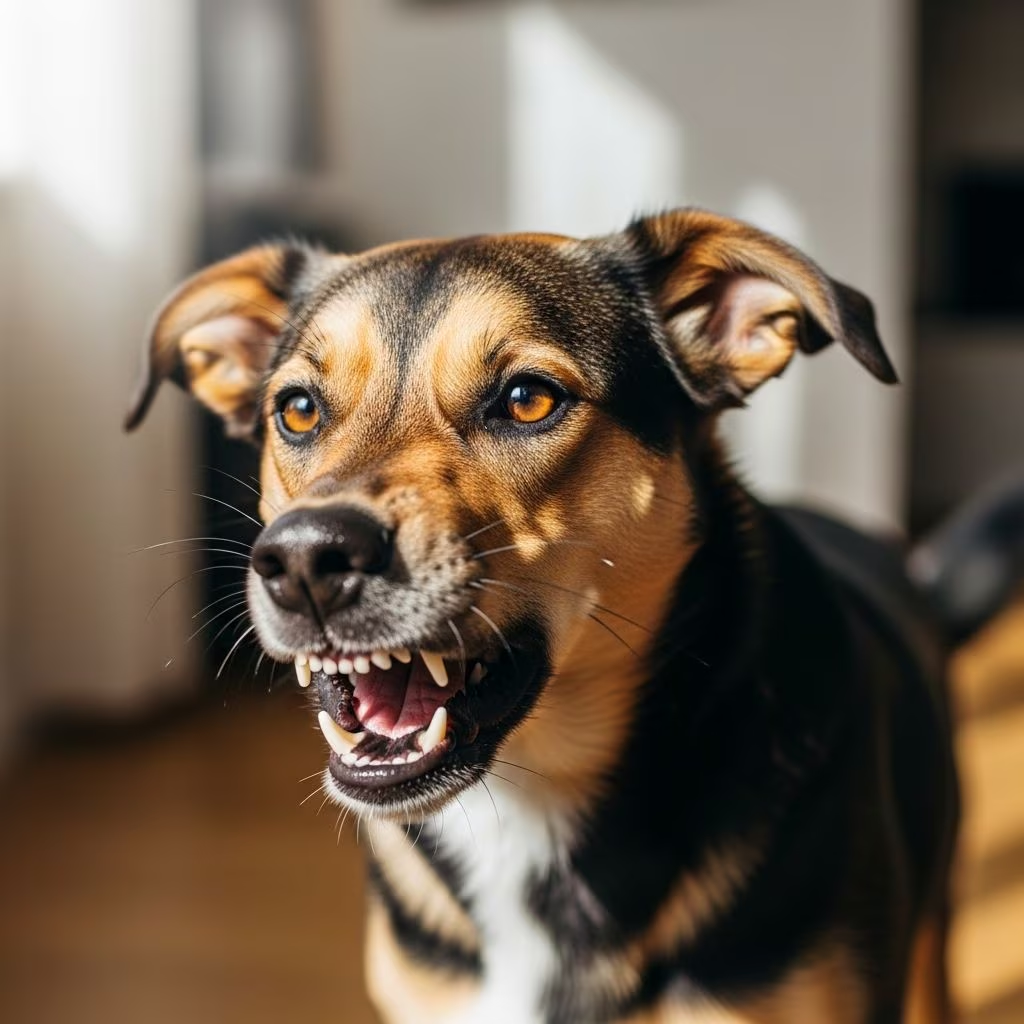
Growling serves as a dog’s primary communication tool, signaling discomfort, fear, or boundaries before escalating to bites. Responding correctly preserves this valuable warning while fostering trust through positive methods like redirection and counterconditioning.
Decoding the Language of Canine Growls
Dogs growl for diverse reasons, each tied to emotional or physical states. Recognizing these distinctions allows owners to address root causes effectively rather than suppressing the signal.
- Fear-Based Growls: Triggered by perceived threats, these accompany body language like cowering or trembling. Dogs aim to create distance, not attack.
- Resource Protection: Common over food, toys, or space, this stems from survival instincts where dogs guard valuables.
- Frustration Signals: Arise when desires like play or walks are blocked, often with pacing or pawing.
- Pain or Illness: Underlying health issues amplify reactivity; sudden changes warrant veterinary checks.
- Excitement or Play: Higher-pitched, loose-bodied growls during fun interactions differ from tense warnings.
- Territorial Defense: Directed at intruders near home or family, prevalent in guardian breeds.
Context matters: stiff posture, lip curling, or avoidance indicate true warnings, while wagging tails suggest joy.
Critical Mistakes to Avoid When Your Dog Growls
Instinctive reactions often worsen issues by eroding trust and silencing warnings, raising bite risks.
| Mistake | Why It Fails | Better Alternative |
|---|---|---|
| Punishing the Growl | Increases fear, suppresses signals, leads to silent bites. | Redirect neutrally. |
| Ignoring the Signal | Allows escalation without intervention. | Acknowledge and manage environment. |
| Forcing Interaction | Heightens stress, provokes bites. | Create space immediately. |
| Yelling or Physical Correction | Damages bond, teaches distrust. | Use calm interrupters. |
These errors transform communicative dogs into unpredictable ones, per expert consensus.
Immediate Positive Response Strategies
When growling occurs, prioritize de-escalation without confrontation. Proven techniques focus on redirection over reprimand.
- Neutral Interruption: Use a soft sound like a whistle or clap to gain attention without startling.
- Redirect to Known Behaviors: Cue “sit,” “touch,” or “place” then reward lavishly. This shifts focus positively.
- Increase Distance: Calmly remove triggers, giving your dog recovery time.
- Positive Interrupter Training: Condition cues like “Let’s go!” paired with treats for reliable diffusion.
Example: Dog growls over a toy? Cheerfully call to a treat station, reinforcing calm choices.
Building Long-Term Solutions Through Training
Proactive management changes emotional responses, preventing recurrence.
Desensitization Basics
Gradually expose dogs to triggers at sub-threshold levels, pairing with rewards to build positive associations.
- Start far from trigger.
- Feed treats before discomfort.
- Progress slowly, ending on successes.
Counterconditioning Techniques
Alter feelings toward stimuli: strangers become treat predictors, transforming fear into anticipation.
For resource guarding, practice “trade-ups” with higher-value items, teaching sharing yields benefits.
Proactive Prevention Protocols
Anticipate hotspots: Use baby gates, leashes indoors, or scheduled alone time with chews to avoid tense scenarios.
Daily mental enrichment via puzzle toys and obedience drills reduces frustration buildup.
Health Checks: Ruling Out Medical Triggers
Sudden or intensified growling often signals pain. Conditions like arthritis, dental disease, or cognitive decline in seniors lower thresholds.
- Observe for limping, appetite loss, or confusion.
- Schedule vet exams promptly.
- Seniors may need CDS screenings.
Treating root issues restores baseline behavior swiftly.
Breed and Age Considerations in Growling
Temperament influences expression: herding breeds frustrate easily, guardians territorialize strongly.
Puppies growl playfully; adults refine based on experiences. Seniors grow irritable from decline—patience and adaptations help.
Professional Guidance: When to Seek Help
If growling persists despite basics, consult certified trainers (CPDT) or veterinary behaviorists. They tailor plans avoiding outdated dominance methods.
Red flags: bites, multi-context growls, human-directed aggression require immediate intervention.
FAQs: Common Growling Concerns
Is growling always bad?
No—it’s a polite warning. Suppressing it creates dangers; value and redirect it.
Should I take toys from a growling dog?
Avoid direct removal. Train voluntary drops with trades for safety.
How long until training works?
Weeks to months with consistency; patience yields reliable results.
What if my dog growls at kids?
Prioritize separation, professional assessment to safeguard all.
Can medication help?
Vets prescribe for severe anxiety alongside behavior plans.
Daily Routine for Growl-Free Living
Integrate habits for harmony:
- Morning walks with check-ins.
- Mealtime protocols preventing guarding.
- Evening decompression zones.
- Weekly desensitization sessions.
Consistency across family ensures success.
References
- How to react to growling (and prevent it overall) — Golden Retriever Rescue of Mid-Florida. 2023. https://www.grrmf.org/how-to-react-to-growling-and-prevent-it-overall/
- Why Dogs Growl and How to Handle It — American Kennel Club. 2024-05-15. https://www.akc.org/expert-advice/training/why-dogs-growl-and-how-to-handle-it/
- 11 Reasons Why Your Dog is Growling — Sahara Pine Sah. 2023-08-20. https://saharapinesah.com/blog/11-reasons-why-your-dog-is-growling/
- What Dog Growling Means and What To Do — PetMD. 2025-01-10. https://www.petmd.com/dog/behavior/why-do-dogs-growl
- Aggression in Dogs | Why Do Dogs Growl and What It Means — PetAssure. 2022-11-05. https://www.petassure.com/new-newsletters/my-dog-growls-does-this-mean-hes-aggressive/
- Why is a Dog’s Growl Helpful? — Oregon Humane Society. 2018-04-01. https://www.oregonhumane.org/wp-content/uploads/1.4.18_Growling-Dog.pdf



