

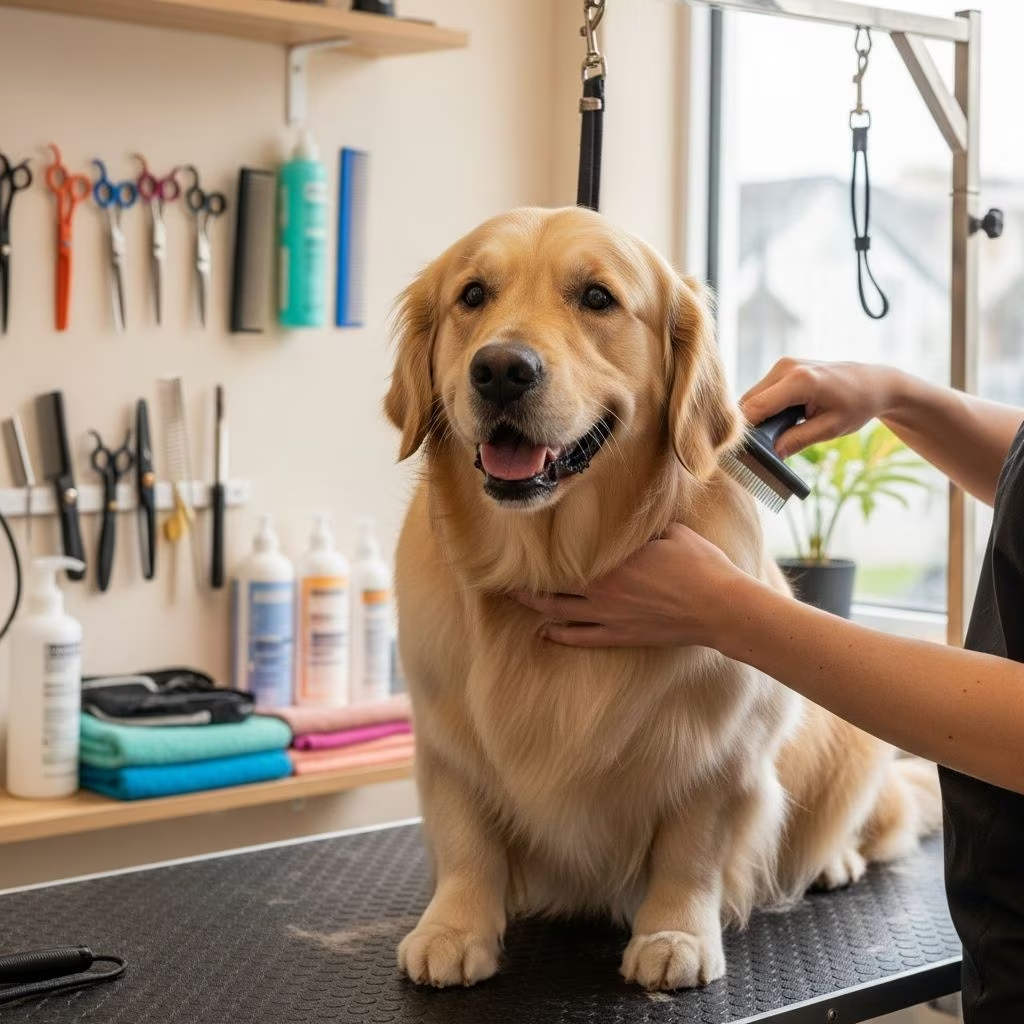
Regular grooming keeps your dog’s coat healthy, reduces shedding, and helps you spot health issues early. Brushing removes dirt and spreads natural oils throughout the fur, promoting a shiny coat and strong skin. This guide covers bathing, brushing different coat types, nail trimming, ear care, dental hygiene, and preventing common skin problems.
Bathing Your Dog
The ASPCA recommends bathing your dog at least once every three months, though dogs that spend time outdoors or have skin conditions may need more frequent baths. Frequent bathing strips natural oils, so use dog-specific shampoo to avoid drying the skin.
- Choose a quiet, warm spot like a bathtub or outdoor area with lukewarm water.
- Wet the coat thoroughly from neck to tail, avoiding direct spray on ears, eyes, or nose.
- Apply hypoallergenic dog shampoo, massaging gently from head to tail. Rinse completely to prevent residue irritation.
- For dogs with wrinkles like Shar Peis or Pugs, clean folds with damp cotton and dry thoroughly to prevent infections.
- Dry with a large towel, rubbing vigorously. Use a low-heat dryer if needed, keeping it moving to avoid burns.
Before bathing, brush to remove mats, as wet tangles worsen during washing. Deshed during rinsing with a comb to loosen hair.
Brushing
Brushing frequency depends on coat type. It removes dead hair, prevents matting, and distributes oils for a healthy shine. Introduce brushing early with positive reinforcement for puppies.
Short, Dense Fur
Dogs like retrievers or Labradors with short, dense fur prone to matting need weekly brushing. Use a slicker brush for tangles, followed by a bristle brush for dead hair. Comb the tail to catch loose fur.
Long, Silky Coats
Breeds like Yorkshire Terriers require daily brushing. Start with a slicker brush to detangle, then a bristle brush for smoothness.
Long-Haired Dogs Prone to Matting
For Collies or Afghan Hounds, daily slicker brushing, bristle brushing, and combing are essential. Trim fur around feet to prevent mats.
Always brush in the direction of hair growth. For heavy shedders, use deshedding tools during bath time. Mats trap moisture, leading to skin infections, so groom regularly as a preventive measure.
Nail Trimming
Regular nail trims prevent painful cracks, slips, and joint issues. Trim every 3-4 weeks or when nails click on floors.
- Spread paws to inspect for dirt or debris between pads.
- Hold the toe firmly, trim from top to bottom at a slight angle matching the nail’s curve. Cut small amounts to avoid the quick.
- If blood appears, apply styptic powder. For dark nails, trim gradually or seek a vet.
- Position dog at table edge for easier paw access.
Comb and trim hair between toes even with pads to avoid matting. Remove foxtails or debris with tweezers.
Expressing Anal Sacs
Anal sacs, located near the anus, may need manual expression if not emptying naturally during defecation. Signs include scooting or fishy odor. Consult a vet for technique to avoid injury.
Cleaning Ears
Check ears weekly for wax, redness, or odor, especially in floppy-eared breeds. Clean with vet-approved solution on cotton, never Q-tips deep. Dry thoroughly. Introduce handling gradually by touching ears during play.
Dental Care
Poor dental hygiene leads to periodontal disease. Brush teeth 2-3 times weekly with dog toothpaste and finger brush. Provide dental chews. Schedule professional cleanings.
Prevent Matting
Mats pull skin painfully and harbor bacteria. Brush ‘as required,’ monitoring for dullness or tangles. Clip tough mats carefully. Short clips in summer help airflow.
Skin Problems
Grooming aids early detection of allergies, infections, or parasites.
Hot Spots
Moist, red sores from allergies, fleas, or boredom. Prevent with regular grooming, flea control, short clips in summer, and exercise. Treatments include:
- Clip hair around spot.
- Clean with antiseptic.
- Medicated spray or cone to prevent licking.
- Vet-prescribed meds for allergies.
Allergies
Flea, food, or environmental. Symptoms: itching, redness. Bathe with medicated shampoo; vet may recommend antihistamines, steroids, or hypoallergenic diet.
Using Moisturizer
Dry skin from overbathing or weather benefits from vet-recommended moisturizers. Apply post-bath to retain moisture without greasiness.
Grooming Equipment and Tips
Invest in quality tools: slicker brushes, bristle brushes, combs, nail clippers, trimmers. Clean after use; sharpen as needed.
- Dry fully before clipping to avoid curls.
- Trim with hair growth; pull skin taut.
- Routine: same shampoo, spot, steps reduce anxiety.
Frequently Asked Questions
How often should I bathe my dog?
Every 3 months minimum; more for active or skin-issue dogs.
What brush for my dog’s coat?
Slicker for tangles, bristle for shine; daily for long coats.
Can I trim nails at home?
Yes, small amounts at a curve; stop if quick hit.
How to prevent hot spots?
Groom regularly, flea control, exercise.
When to see a groomer?
For severe mats, anal sacs, or professional cuts.
References
- 12 Professional Dog Grooming Tips — Central California SPCA. 2023. https://ccspca.com/blog-spca/professional-dog-grooming-tips/
- Dog Grooming Tips — ASPCA. 2024-01-14. https://www.aspca.org/pet-care/dog-care/dog-grooming-tips
- Guide To Dog Cleaning And Grooming — RSPCA Pet Insurance. 2023. https://www.rspcapetinsurance.org.au/pet-care/dog-care/dog-grooming-guide
- General Dog Care — ASPCA. 2024. https://www.aspca.org/pet-care/dog-care/general-dog-care
- How to Groom Your Dog — ASPCA Pet Health Insurance. 2023. https://www.aspcapetinsurance.com/resources/how-to-groom-your-dog/



